
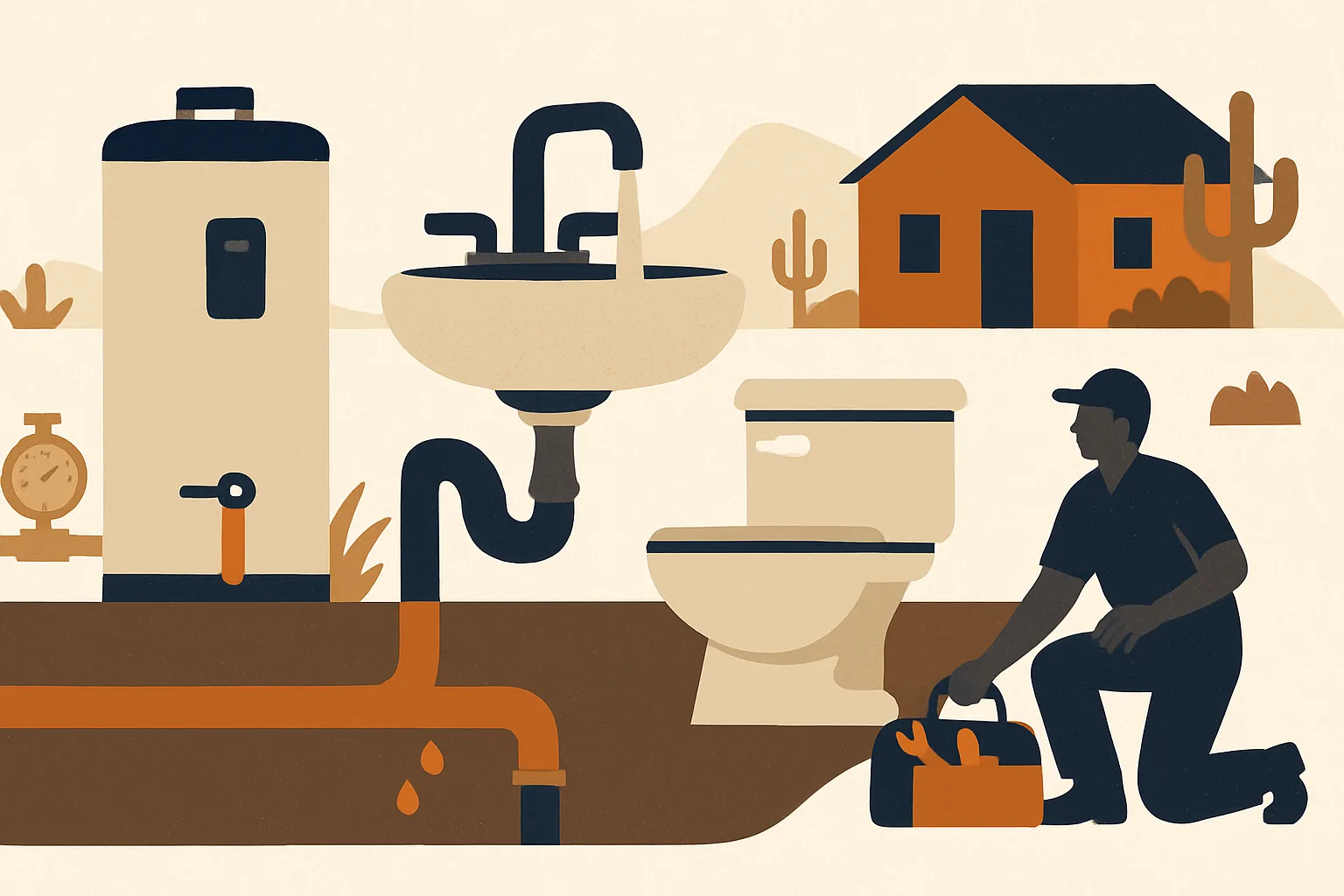
Relying on a standard home inspection used to feel “good enough” for Las Vegas plumbing, but hard water, aging materials, and hidden lines mean too many problems get missed. Here is why the old approach falls short and when a full whole-home plumbing inspection protects you better.
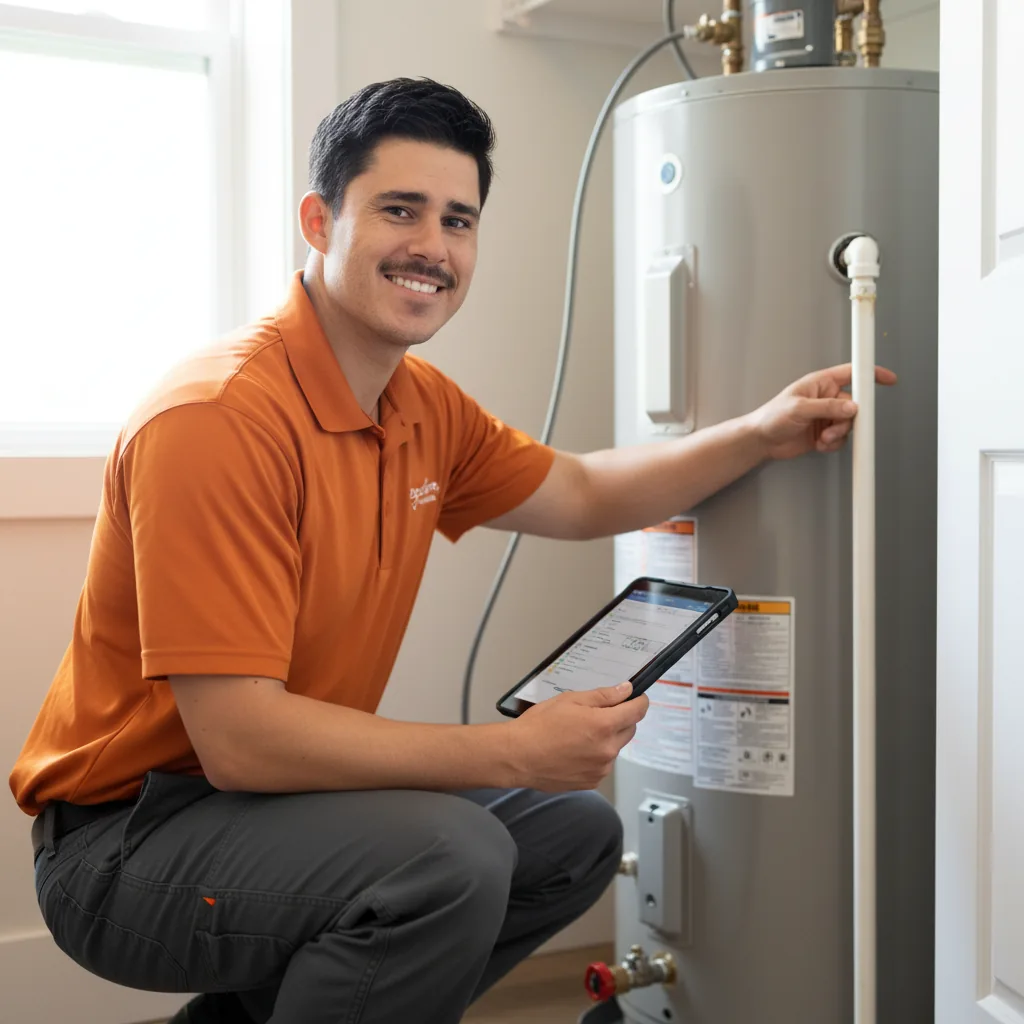
What was the old approach and why did it feel good enough?
For years, most Las Vegas buyers and homeowners leaned on a standard home inspection and assumed the plumbing was covered. The inspector would run water at sinks, flush toilets, peek at the water heater, and look under a few cabinets. If nothing obvious leaked or gurgled, the report came back clean and everyone moved on.
According to resources that explain what typical home inspections include, the plumbing portion is usually a visual pass through accessible fixtures and readily visible piping. Inspectors will look at the main shutoff, run each fixture briefly, inspect the water heater and its temperature and pressure relief valve, and check for visible leaks or drainage issues where they can see them. That is helpful as a first screen, but it does not usually include camera work inside the sewer line or detailed evaluation of underground or concealed pipes.
In a milder climate, with softer water and newer infrastructure, this approach might have caught most major issues before they became a problem. In the Las Vegas valley, though, the combination of slab-on-grade foundations, very hard water, and aging piping materials means a quick visual once-over is more likely to miss the kind of slow-developing problems that cause big repair bills later.
From a distance, the old approach feels efficient and budget friendly. You pay once for a general home inspection and trust that any big plumbing red flags will show up. The problem is that plumbing systems are mostly hidden and often only misbehave under stress or over time, which a short visit with no specialized plumbing tools is not designed to simulate.
- Quick visual checks of faucets and drains
- Brief water heater look without internal testing
- No routine sewer camera inspection
- No systematic check of pipe materials
What do basic home inspections usually miss in plumbing systems?
Several expert checklists and plumbing-focused articles point out that standard home inspections tend to miss the same categories of problems again and again. These include intermittent or hidden leaks that only appear under certain pressures, slow drains that are not obviously clogged during a short test, and issues in the main sewer line that are invisible without running a camera. Underground and in-slab piping is also frequently outside the scope unless there are strong surface clues.
Resources aimed at plumbing professionals highlight that inspectors often overlook or cannot see early degradation in supply pipe materials, minor venting errors, and missing or inaccessible shutoff valves. These details matter in a city that relies on slab foundations and has many homes with plumbing that runs under concrete, where a small oversight can eventually turn into a slab leak or a recurring drain problem.
Another weak spot in a basic pass is the water heater. While a home inspector may confirm the unit heats, note the age, and look at visible safety components, they generally do not drain the tank, evaluate sediment buildup, or test performance under real household loads. In a hard water area, that means serious wear can hide inside the tank until you suddenly lose hot water or encounter a leak.
None of this is a criticism of home inspection as a profession. It is about the limits of a broad service. These inspections are meant to cover the entire house in a limited time, so they cannot realistically provide the depth that a dedicated whole-home plumbing inspection can give you when plumbing risk is a top concern.
- Hidden or intermittent leaks that do not show on a quick pass
- Slow-forming clogs in main or branch sewer lines
- Early corrosion or deterioration of pipe materials
- Subtle water heater performance and safety issues
How does Las Vegas hard water make the old approach less reliable?
Las Vegas valley water is classified as very hard, with local guides citing hardness around 280 parts per million of calcium carbonate, or roughly 16 grains per gallon. Other published data list about 291 ppm and 17 grains per gallon. Both figures put us squarely in the very hard water category. That mineral content steadily leaves scale in pipes, fixtures, and water heaters.
Very hard water speeds up wear inside your plumbing system. Water heaters accumulate scale on heating surfaces, which forces them to work harder and can shorten their lifespan. Aerators and cartridges in faucets and shower valves clog sooner. Inside both copper and certain plastic piping, mineral deposits can narrow the effective diameter over time, changing flow characteristics long before you see a simple leak.
Here is where the old approach fails. A basic inspection that only turns fixtures on and off briefly might see reasonable flow rates at the moment, especially if the current occupants are not using heavy hot water. It will not measure how scaled the water heater is, how close supply lines are to flow restriction, or whether hard water has been slowly attacking fittings in ways that will not show up on a simple visual.
A focused whole-home plumbing inspection for a Las Vegas property can be calibrated for this reality. A licensed plumber can look for telltale signs of scale buildup, review the age and condition of the water heater in the context of local hardness, and recommend changes such as flushing schedules or water treatment when appropriate. The cumulative impact of very hard water is exactly the kind of slow trend that a quick, generalist inspection cannot reliably capture.
- Mineral scale reduces water heater efficiency over time
- Very hard water can shorten fixture and valve lifespan
- Scale can build inside pipes without obvious symptoms
- Standard visual checks rarely assess internal scaling
What does a true whole-home plumbing inspection include that the old approach does not?
A dedicated whole-home plumbing inspection takes a deeper look at every major part of your water and waste system. National plumbing inspection checklists describe a room-by-room process that reviews supply lines, shutoff valves, fixtures, drains, and vents. It often includes specific checks for proper venting, the presence and condition of isolation valves, and the age and material of piping so you have a realistic picture of risk, not just a snapshot of what is leaking today.
Some plumbing inspection guides also point to sewer camera work as a key difference. Scoping the main line can reveal offsets, root intrusion where there are trees near older lines, and accumulations of grease or debris that have not yet produced a full backup. Because sewer lines are buried, they almost never get more than a quick run test from a general inspection, which is why so many sewer issues only show up after you move in or after a major usage spike.
The cost range for a full plumbing inspection reflects this added depth. Consumer sources that survey the market report that comprehensive plumbing inspections with visual checks and camera work typically fall somewhere between about $350 and $1,375. Where you land in that range depends on the size of the home, the complexity of the system, whether sewer scoping is included, and how many fixtures or specialty devices like pumps, softeners, or recirculation systems must be reviewed.
For a Las Vegas homeowner, the key is not memorizing that cost range but understanding what you are paying for. A whole-home plumbing inspection should be a targeted, licensed plumber visit that treats water supply, drainage, and fixtures as a system. It is about finding developing problems driven by local conditions such as very hard water and slab foundations, which are not easily visible during a short, general home inspection.
- Room-by-room review of supply and drain lines
- Identification of pipe materials and age-related risks
- Optional sewer camera inspection of buried lines
- Focused evaluation of water heater condition and safety
When should Las Vegas homeowners upgrade from a basic inspection to a whole-home plumbing inspection?
The old habit of relying only on a standard home inspection starts breaking down in several common Las Vegas situations. One is when you are buying an older home, or anything with a plumbing system that has seen decades of hard water and heavy use. In that case, what you really want is not just confirmation that fixtures work today, but insight into how close you might be to major repairs in the near future.
Another is when there are any signs of possible underlying trouble that a brief visual pass has not explained. Slow drains that come and go, water pressure that changes during the day, or water bills that do not quite match your usage can all point to issues that only show up under sustained testing or in concealed piping. A whole-home plumbing inspection allows a Las Vegas plumber to look for these patterns, not just isolated leaks.
Selling a home is also a good time to consider going beyond the basic inspection. Some sellers prefer to identify and address plumbing issues up front rather than negotiate under time pressure later. A thorough plumbing review can help you prioritize which items matter most for buyer confidence and for the long-term health of the system, especially in a valley where water hardness steadily stresses equipment.
Finally, if it has been many years since a licensed plumber last took a comprehensive look at your system, the peace of mind alone can justify the investment. Hard water, soil movement, and normal wear rarely stay visible on the surface until something breaks. A whole-home plumbing inspection gives you a baseline that a basic home inspection simply is not designed to provide.
- Confirm what your existing or planned home inspection actually covers for plumbing, including whether sewer camera work and detailed pipe evaluations are included.
- Walk your Las Vegas property and note any recurring issues such as slow drains, water pressure swings, stained ceilings, or unusually high water bills that a basic inspection has not explained.
- Gather information on the age of your water heater, main plumbing lines, and fixtures so you can discuss realistic remaining life with a licensed plumber.
- Ask for a written description of what a whole-home plumbing inspection will include, such as room-by-room fixture checks, vent evaluations, camera scoping, and water pressure testing.
- Consider your risk tolerance and budget in light of national inspection cost ranges of about $350-$1,375 for comprehensive plumbing evaluations with camera work.
- Factor Las Vegas hard water into your decision, remembering that roughly 16 grains per gallon of hardness can accelerate scaling and make hidden wear more likely.
- Schedule any whole-home plumbing inspection for a time when water can be run at multiple fixtures so your plumber can see how the system behaves under more realistic demand.
- Plan to review the inspection report in detail, asking your plumber to prioritize which findings are urgent, which are preventative, and which can be monitored over time.
Frequently asked questions
- What is the difference between a home inspection and a whole-home plumbing inspection?
- A standard home inspection usually includes a visual review of accessible plumbing components such as fixtures, the main shutoff valve, and the water heater, along with basic tests like running water and flushing toilets. A whole-home plumbing inspection is performed by a licensed plumber and can add items such as sewer camera work, detailed pipe material assessments, venting checks, and performance testing that go far beyond what a generalist can do in a short visit.
- Why are basic home inspections not enough for Las Vegas plumbing systems?
- Las Vegas has very hard water, around 280 ppm or roughly 16 grains per gallon, which increases internal wear on pipes, fixtures, and water heaters over time. Because a basic home inspection is mostly visual and brief, it often cannot see the scale buildup, early corrosion, or slow leaks that develop in this environment, especially where plumbing is buried in slabs or walls.
- How much does a professional plumbing inspection usually cost?
- Consumer cost guides that look at full plumbing inspections, including visual checks and camera work, show typical prices running somewhere between about $350 and $1,375. The exact amount depends on the size and complexity of the property, how many fixtures are present, and whether sewer or underground line scoping is part of the service.
- Do I really need a sewer camera inspection if drains seem fine?
- Many sewer line problems develop slowly and do not cause obvious backups during a short test, which is why some expert articles list sewer issues among the top things that standard home inspections miss. A camera inspection can reveal root intrusion, offsets, or buildup that have not yet caused a clog, which can be especially valuable before buying a home or if you have noticed occasional slow drains.
- How does hard water affect my decision to get a whole-home plumbing inspection?
- Very hard water like we have in the Las Vegas valley increases the risk of scale inside your water heater and pipes and can shorten the life of cartridges, valves, and other components. A whole-home plumbing inspection allows a plumber to look specifically for these hard-water impacts, recommend maintenance such as tank flushing, and flag materials or fixtures that are more vulnerable to local water conditions.
- When should I call a plumber instead of relying on a home inspector for plumbing?
- If you are buying an older home, seeing recurring plumbing symptoms, or planning major renovations, bringing in a plumber for a whole-home plumbing inspection is usually the better choice. A licensed plumber has the tools and training to test beyond what a general home inspection can offer and can give you realistic repair and upgrade options tailored to Las Vegas conditions.
- How often should a Las Vegas homeowner schedule a whole-home plumbing inspection?
- There is no single schedule that fits every property, but in an area with very hard water and many slab-built homes, having a licensed plumber perform a comprehensive review every several years can catch problems early. You should also consider an inspection before a home purchase or sale and whenever you notice patterns such as recurring slow drains, water pressure changes, or unexplained increases in your water bill.
- What should I expect during a whole-home plumbing inspection from Kingdom Plumbing?
- During a whole-home plumbing inspection, a Kingdom Plumbing technician will walk your property, test fixtures, review visible piping and the water heater, and recommend additional diagnostics such as sewer camera work if needed. You will receive clear explanations of any findings and practical options for repair, maintenance, or upgrades that fit your Las Vegas home and budget.
Talk to Kingdom Plumbing about whole-home plumbing inspection, or call (702) 840-5037. Family-owned, NV Contractors License #0085422, upfront flat-rate pricing.
Kingdom Plumbing is a family-owned, licensed Las Vegas plumber (NV NV Contractors License #0085422) serving the valley since 2018. Questions about how this affects your home? Call (702) 840-5037. Dealing with a burst pipe or flooding right now? Our emergency plumbers in Las Vegas answer 24/7.