
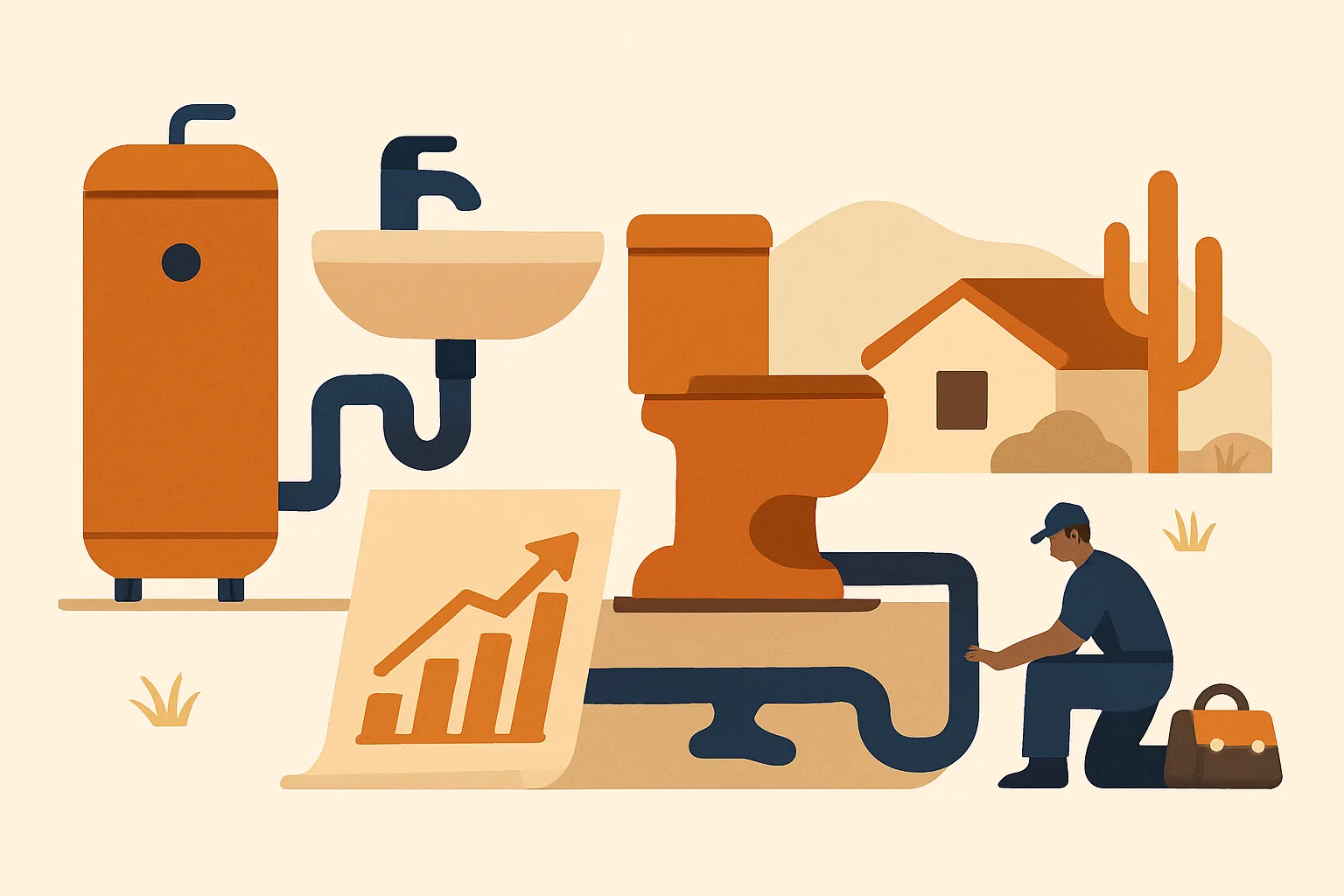
Relying on a rising water bill to spot slab leaks worked when homes and plumbing were simpler. In modern Las Vegas homes with very hard water and aging pipes, that old approach often misses the real damage until repairs are far more expensive.
Why just watching your water bill no longer protects Las Vegas slabs
A lot of Las Vegas homeowners still use an old rule of thumb: they wait to see a big bump in the water bill before they take a possible slab leak seriously. That approach made some sense when most homes had simpler plumbing and fewer underground lines. In today’s houses and townhomes, it often leaves you reacting late, after a small under-slab leak has already undermined concrete, softened soil, or damaged finishes.
Small slab leaks can run for weeks without moving the needle much on the bill, especially if you are already watering landscaping or have a larger household. By the time there is a clear billing spike, you might be looking at a larger repair range. Local guidance puts slab leak detection in the Las Vegas area around $150-$400, while full repair can land between about $630 and $4,400 depending on conditions, according to regional estimates. Catching issues only when the bill jumps usually pushes you toward the higher end of that spectrum because the leak has had more time to spread or create secondary problems.
- Water bills lag by weeks, so they do not show early damage under the slab
- Small leaks can hide inside normal seasonal water-use swings
- Existing high use for irrigation can mask new under-slab loss
- Waiting for a spike often means more invasive repair later
How Las Vegas water hardness makes slow slab leaks easier to miss
Las Vegas water is very hard, which matters more to slab leaks than many people realize. The Las Vegas Valley Water District reports hardness around 280 parts per million, which works out to roughly 16 grains per gallon. That is at the upper end of the scale and is firmly in the “very hard” category. Over time, this kind of water can roughen pipe interiors and contribute to pinholes, especially in hot lines under a slab.
The catch is that very hard water does not always produce dramatic, sudden failures. It often creates slow pinhole leaks that seep into the soil beneath your slab. Those small leaks may not show up as a major jump on a single billing statement, especially if they start on a hot line that runs intermittently. You may only notice subtle clues like a warm spot on the floor, a pump cycling more often, or faint sounds of water, long before your bill tells you anything is wrong. Relying on billing alone in a very hard water city like ours means giving a slow leak time to eat away at concrete and surrounding materials.
- Very hard water can roughen pipe interiors over time
- Pinhole leaks in hot lines may start very small and quiet
- Slow leaks can soak soil without large monthly cost changes
- Local hardness levels make proactive leak checks more important
What professional leak detection finds that your bill never will
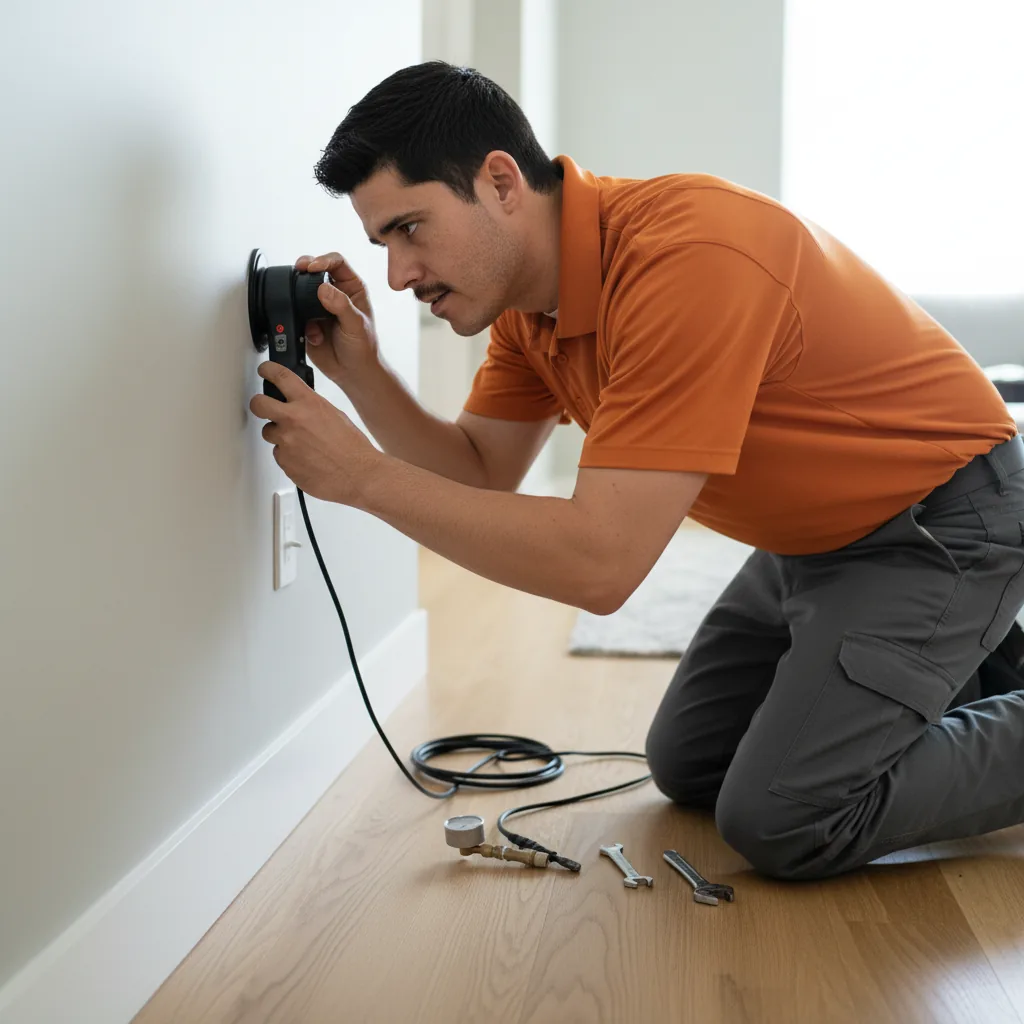
A water bill only tells you how much went through the meter. It does not tell you where it went, how many leaks are present, or how stressed your under-slab piping has become. Professional leak detection for a Las Vegas home uses tools and testing methods that can identify the leak location under concrete before anyone starts breaking it. Local ranges put this detection phase around $150-$400, which buys you information you simply cannot get from a statement in the mail.
Recent guidance for the Las Vegas area shows that a straightforward leak detection visit typically takes about 2-4 hours. In that time, a trained tech can use electronic listening devices, pressure testing, and sometimes thermal imaging to narrow the leak to a small area or even a specific run of pipe. Some case studies from nearby communities show detection completed by midday and a repair route plan ready the same afternoon. Your bill, by contrast, only catches the leak after it has used several thousand extra gallons and may still not tell you whether the problem is in a slab line, an irrigation run, or a toilet flapper.
Why the “patch one leak and close the concrete” mindset backfires
Another old approach that goes along with waiting for the bill is to treat a slab leak like a one-time patch job. A plumber cuts the concrete over the suspected leak, repairs the visible pinhole, pours back the slab, and everyone hopes for the best. Modern guidance on slab leak repair warns that this is often short-sighted if no one checks the condition of the surrounding pipe and system. If one section has failed due to corrosion, age, or high pressure, nearby sections may be right behind it.
Experts caution against closing up concrete or installing new flooring before pressure testing the repair and thinking through whether the rest of that run of pipe is likely to hold. There is also a warning about fixing only the leaking spot without asking why it failed in the first place. If the home has pressure above roughly 80 psi or a known history of under-slab failures, only addressing the immediate hole can lead to repeat work later. That means more demolition, more labor, and more inconvenience, which quickly outweighs any savings from minimal first-day work.
- Patching a single pinhole ignores nearby weakened pipe
- High water pressure can cause repeat under-slab failures
- Closing concrete before pressure testing risks redoing work
- A whole-line view is safer than a one-spot mindset
What a modern Las Vegas slab leak repair timeline really looks like
Understanding realistic timelines helps you choose the right approach the first time. Current local guidance shows that most leak detection visits in Las Vegas take around 2-4 hours, long enough to track down the leak and discuss repair options such as direct access through the slab or rerouting the line above it. Some documented jobs show detection wrapped up by midday, followed by a simple reroute finished by late afternoon when conditions are ideal.
For most homes, though, you should expect the full slab leak repair project to run a bit longer. Typical estimates suggest 1-2 days for the physical repair whether it is direct access through the slab or a reroute. When you include concrete work and any needed restoration of flooring or finishes, total project time often falls in the 2-5 day range. The key is that these days are planned and scheduled. If you delay calling for leak detection until your bill forces your hand, you are more likely to be dealing with emergency timelines and rushed decisions instead of a controlled, step-by-step plan.
- Plan 2-4 hours for professional leak detection under normal conditions
- Expect 1-2 days for the core repair work once the leak is located
- Allow extra time for concrete and flooring restoration after plumbing
- Faster decisions are possible when you act on early signs, not bills
How to choose between direct slab repair and rerouting your line
Once leak detection confirms an under-slab issue, you will usually be shown two main paths. One is direct access, which means opening the concrete right above or very near the leak, cutting out the damaged section of pipe, and patching the slab afterward. The other is rerouting, where the leaking section under the slab is abandoned and a new line is run through walls, ceilings, or other accessible areas. Local cost ranges for the total repair, whether direct access or reroute, usually land between about $630 and $4,400 depending on depth, flooring, pipe material, and how long the new route needs to be.
The best option is not the same for every Las Vegas home. Factors include whether you have tile, hardwood, or carpet over the leak, how deep the slab is, how much access you have in walls or attic, and whether nearby pipe appears brittle or corroded. In some cases, rerouting costs are similar to or only slightly higher than a direct-access patch, but they reduce the chance of future under-slab leaks on that same run. A good leak detection and slab leak repair service will walk you through both options with clear pricing and help you weigh disruption, risk of repeat problems, and long-term value, rather than steering you straight to the quickest patch.
- undefined
- undefined
- undefined
- undefined
- undefined
- undefined
- undefined
- undefined
- undefined
Frequently asked questions
- Is a higher water bill the best way to tell if I have a slab leak in Las Vegas?
- A higher bill can be one sign of a slab leak, but it is not the best or only indicator. Because water bills look back over weeks of use, small under-slab leaks often start and grow before they create a clear spike. In a city with very hard water and heavy irrigation like Las Vegas, normal seasonal changes can hide early leaks on the bill. Professional leak detection can usually confirm or rule out a slab leak in a single visit.
- How much does professional slab leak detection usually cost in Las Vegas?
- Recent guidance for the Las Vegas area puts slab leak detection in the approximate $150-$400 range, depending on the complexity of the plumbing and access. That fee typically covers using specialized equipment and testing methods to locate the leak before anyone opens concrete. It is a relatively small cost compared with full repair, which often ranges from about $630 to $4,400 once you factor in the actual plumbing work.
- How long does slab leak detection and repair take for a typical Las Vegas home?
- Most detection appointments take about 2-4 hours, long enough to identify whether the leak is under the slab and where. After that, many repairs, whether direct slab access or a reroute, take around 1-2 days for the plumbing work according to local guides. Including concrete and flooring restoration, the full project usually runs about 2-5 days from start to finish under normal conditions.
- Why is Las Vegas hard water a problem for slab leaks?
- The Las Vegas Valley Water District reports hardness of roughly 280 parts per million, or about 16 grains per gallon, which is considered very hard. Over years, this can contribute to internal pipe wear, especially in hot water lines under slabs. That wear can lead to pinhole leaks that start small and may not cause a dramatic jump in your water bill right away. Hard water is one reason to take early signs like warm floors or faint sounds seriously and schedule leak detection promptly.
- Should I patch one spot in the slab or reroute the whole line?
- Patching the one leaking spot can be appropriate if the surrounding pipe is in good condition and there is no history of repeat failures. However, professional guidance warns that when pipes are aged, corroded, or exposed to high pressure, nearby sections may be ready to leak as well. In those cases, rerouting the line out of the slab can offer better long-term reliability. A thorough leak detection and slab leak repair assessment should include both options with clear pros, cons, and cost ranges for your specific situation.
- What questions should I ask before hiring someone for slab leak repair in Las Vegas?
- Ask how they perform leak detection, how much time they expect it to take, and whether they can usually locate the leak before any demolition. Request a written estimate that separates detection, repair, and restoration, and have them explain both direct access and reroute options for your home. It is also important to ask how they will pressure test the repair before closing concrete and whether they will check your home’s water pressure to help prevent future leaks. Finally, confirm they are licensed, bonded, and insured to work on slab leaks in Nevada.
- Does slab leak repair usually include fixing my flooring in Las Vegas homes?
- Often the plumbing portion of slab leak repair is quoted separately from flooring or tile restoration. Local guidance notes that while detection and the actual pipe repair fall within one price range, replacing or matching tile, wood, or specialty flooring is generally an additional service. When you get estimates, ask for plumbing and restoration to be itemized so you can budget accurately. That way you are not surprised by costs after the leak is fixed.
Talk to Kingdom Plumbing about leak detection and slab leak repair, or call (702) 840-5037. Family-owned, NV Contractors License #0085422, upfront flat-rate pricing.
Kingdom Plumbing is a family-owned, licensed Las Vegas plumber (NV NV Contractors License #0085422) serving the valley since 2018. Questions about how this affects your home? Call (702) 840-5037. Dealing with a burst pipe or flooding right now? Our emergency plumbers in Las Vegas answer 24/7.