
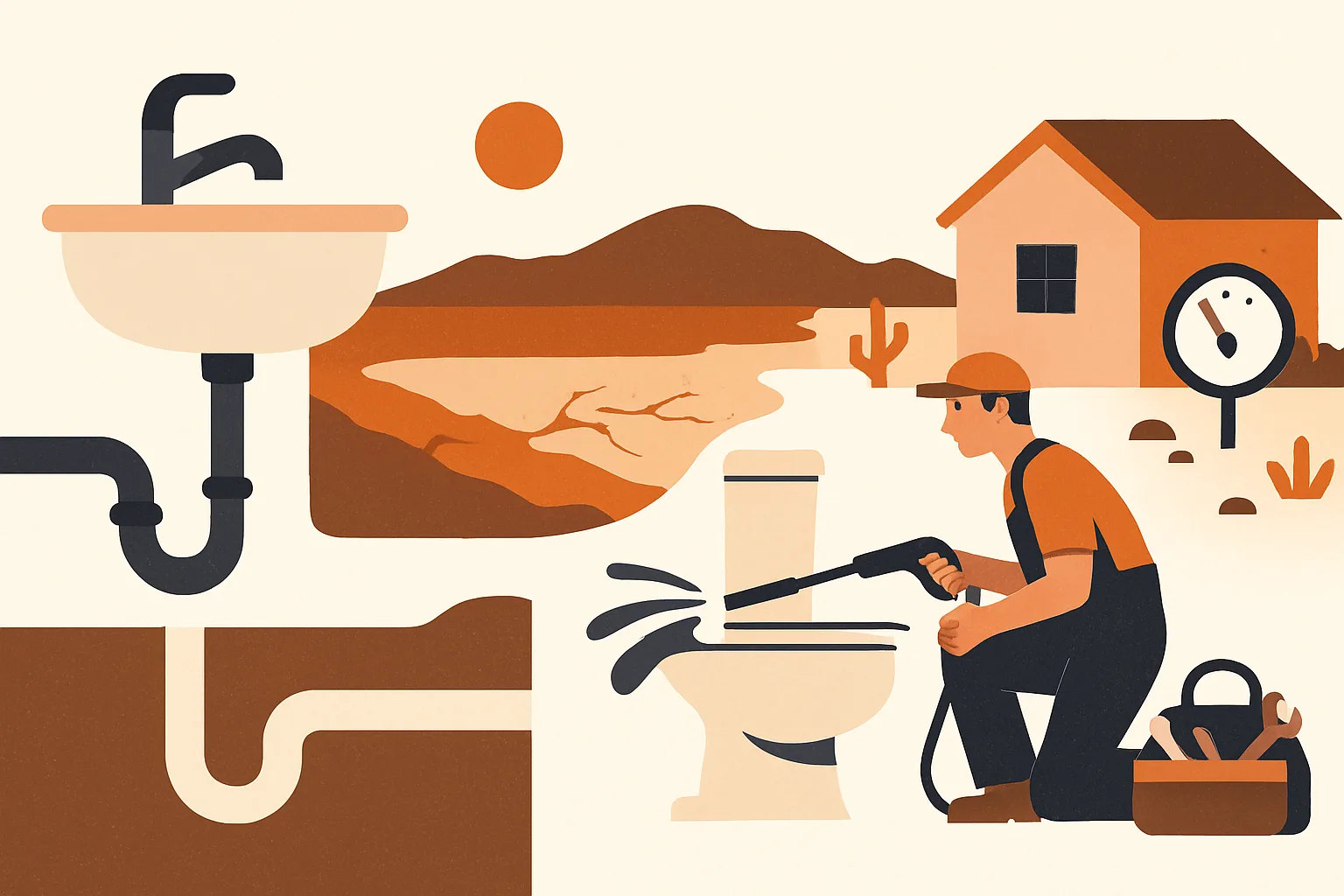
Southern Nevada is under a Tier One Colorado River shortage and Lake Mead has hit a new record low, which keeps water conservation in the spotlight for Las Vegas homeowners. That same pressure is changing how you should think about stubborn clogs, sewer backups, and when to invest in hydro jetting instead of repeat quick fixes.
What did the latest Lake Mead and Tier One shortage updates actually say?
Over the past few weeks, the regional water news has not been quiet. According to an Associated Press report carried by the Washington Post, Lake Mead dropped to about 1,040.4 feet above sea level on August 8, 2026, which is the lowest elevation since the reservoir was first filled nearly 90 years ago. At the same time, the Southern Nevada Water Authority reports that our community remains in a Tier One Colorado River shortage, triggered by long term drought and low reservoir levels. Under the current federal guidelines, that Tier One status means Nevada must use less Colorado River water each year than it could on paper.
SNWA explains on its drought and shortage page that the Tier One condition reduces Nevada’s allowable Colorado River use by 21,000 acre feet. To keep ahead of deeper cuts, SNWA leaders are also talking about further reductions under proposed operating plans for 2027 and 2028, including a possible 50,000 acre foot cut from Nevada’s allocation, as noted in a recent update shared on their LinkedIn channel. For a Las Vegas homeowner, those numbers can feel abstract. What matters at the house level is that every local agency is tightening expectations around how we use water and how much waste is acceptable, both outside and inside the home.
The Southern Nevada Water Authority has already put a mandatory fall watering schedule in place. Their website explains that through October 31, sprinklers are limited to three days per week with no watering allowed on Sundays. At the same time, SNWA reports that our community used around 48 billion gallons of Colorado River water in August 2026, which is slightly higher than the average for recent years. That uptick, along with the new Lake Mead low, is why you keep hearing about conservation, turf removal, and watering clocks. It is also why homeowners should view plumbing decisions as part of that conservation picture, especially when dealing with drains and sewer lines that can silently waste water or lead to bigger emergencies.
- Lake Mead hit about 1,040.4 feet in August 2026, a new record low.
- Southern Nevada remains under a Tier One Colorado River shortage.
- Nevada’s Colorado River use is reduced by 21,000 acre feet under current rules.
- SNWA reports August 2026 use of about 48 billion gallons of Colorado River water.
How does a water shortage relate to your drains and sewer line choice?
It might seem like drought news has nothing to do with a slow kitchen sink or a sewer backup in your yard. In reality, the same forces that are driving tighter outdoor watering schedules are also raising the stakes on how efficiently your plumbing works indoors. Every time a partially blocked drain forces you to run water longer, flush twice, or deal with backups that require repeated service visits, you are using more of a resource that our valley is being asked to save. Hydrologic conditions on the Colorado River are out of a homeowner’s hands, but the condition of your own pipes is not.
Indoor water use is already heavily recycled in Southern Nevada, but that does not mean wasted water is free. According to SNWA, about 90 percent of our community’s supply comes from Lake Mead, and that water has to be treated, pumped, and delivered before it ever reaches your home. When clogs and buildup make fixtures less efficient, you pay more on your power and water bills, and the community as a whole has to work harder to manage the same gallon twice. That is why dealing with chronic drain issues in a more permanent way, instead of treating them as a minor annoyance, fits into the conservation story. Hydro jetting is one of the professional tools that can change a drain from barely functional to free flowing, which can reduce that hidden waste.
What is hydro jetting and why does it matter more during a Tier One shortage?
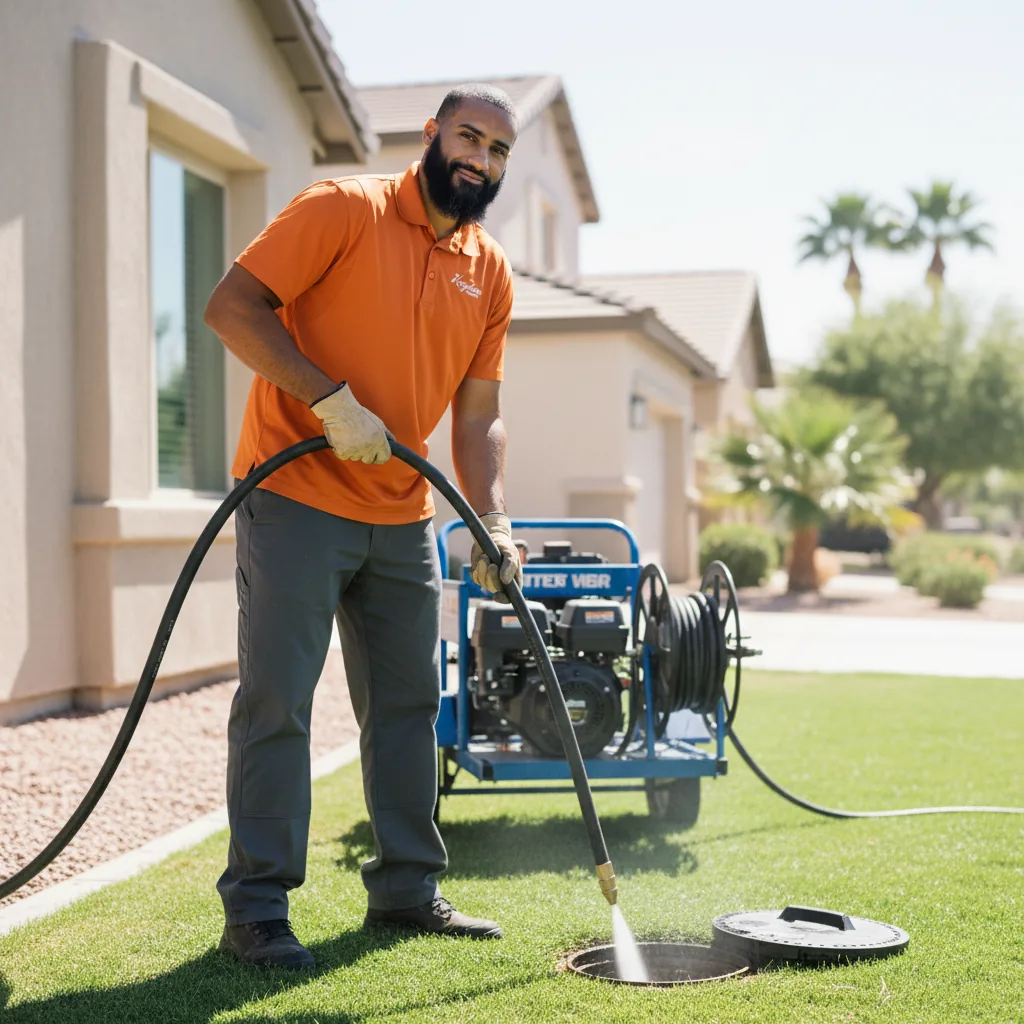
Hydro jetting is a professional drain cleaning method that uses high pressure water to scour the inside of your drain or sewer line. Instead of simply punching a small hole through a clog, a technician uses specialized equipment and hoses to deliver a controlled stream that scrubs the pipe walls. In many Las Vegas homes, especially those with older cast iron or long runs of pipe under slabs and driveways, layers of grease, scale, and debris can narrow the pipe over years. Standard snaking can temporarily open a path, but it often leaves much of that buildup behind, which is why the same line may clog again a few months later.
During a Tier One shortage, anything that reduces repeat service calls, water waste from slow drains, and the risk of messy backups is worth a closer look. Hydro jetting does use water during the cleaning itself, but the goal is to restore the pipe so that it works better every day afterward. When done by a trained, licensed plumber, hydro jetting can help a sewer line handle low flow fixtures, modern appliances, and the kind of outdoor water restrictions that shift more use to certain parts of your plumbing system. For example, when your landscape watering is cut back, more of your water use may be toilets, showers, laundry, and kitchen clean up. A clear main line is essential to keep that higher indoor volume moving without trouble.
Hydro jetting is not the right tool for every situation, and it should never be used blindly. A responsible plumber will typically start with a camera inspection to check the condition of the pipe. If there are major cracks, collapsed sections, or fragile joints, they may recommend spot repair or replacement instead of high pressure cleaning. In other cases, hydro jetting can be the middle ground between basic snaking and full line replacement. That can be a smart financial and conservation choice, especially in a drought environment where you want your existing infrastructure to last as long as safely possible.
- Hydro jetting uses high pressure water to clean pipe walls.
- It removes grease, scale, and debris instead of just poking a hole.
- Camera inspection before jetting helps protect damaged lines.
- It can extend the useful life of many drain and sewer pipes.
How are SNWA’s fall watering rules a reminder to fix chronic drain problems?
SNWA’s mandatory fall watering schedule, which limits sprinkler use to three assigned days per week and bans watering on Sundays, is mainly about outdoor conservation. However, that schedule is also a useful reminder that our community expects every part of the system, right down to your home, to run efficiently. When your drains are slow, or your main line backs up every few months, it usually means that wastewater is not moving as cleanly as it should. You may be tempted to ignore it or rely on repeated low cost service visits. In a drought environment, that is often the more expensive path in the long run.
According to SNWA’s current water resource updates, August 2026 Colorado River use was about 48 billion gallons, slightly more than the recent three year average. That might not sound like much of a jump for the whole region, but it is a sign that there is not much slack left in the system. At the same time, Lake Mead’s record low shows that the river is not quickly refilling. When you look at your own home, think of chronic drain issues as little leaks in the efficiency of that larger system. Investing once in a thorough cleaning with hydro jetting, along with a proper camera inspection, can often be a better match for the times than a series of small, temporary fixes that never fully restore capacity.
For many Las Vegas homes built on slab, the main sewer line is buried under concrete and caliche soil. That means any major repair or replacement can be disruptive. Hydro jetting, when appropriate, can sometimes restore enough flow to delay or avoid more invasive work. In a Tier One shortage, stretching the life of your existing infrastructure, without compromising safety or function, is a smart strategy. The key is not to wait until you have a full backup into your home, which can risk damage, health concerns, and emergency water use for cleanup.
What should you ask a plumber before approving hydro jetting in Las Vegas?
Before you sign off on any major drain line work, especially hydro jetting, you should feel comfortable with the plan and how it fits your home. Start by asking whether the plumber will perform a camera inspection before and after the job. That inspection helps confirm that the pipe can safely handle high pressure cleaning and lets you see the before and after condition for yourself. It also gives you documentation if you ever need to show an insurance company or a future buyer what was done.
You should also ask how the technician will control the water and where the access points are. A licensed, bonded, and insured plumber will explain how they protect fixtures, use proper backflow protection, and manage debris and wastewater so that it does not create a mess on your property. In a region where conservation is front of mind, it is reasonable to ask how the service fits into that picture. Hydro jetting should be described as a targeted, one time use of water that is intended to make your system more efficient for years, not as a casual, repeat cleanout with no long term plan.
Finally, discuss alternatives, pricing, and timing. Ask what the difference is between basic cabling and hydro jetting in your specific case, how much time the job will take, and what warranties are available on the work. A clear, upfront flat rate for the service, an explanation of risks and benefits, and an honest answer if the pipe condition suggests repair instead of jetting are all signs that you are working with a professional who understands both your home and the broader water situation in Southern Nevada.
- Ask for a camera inspection before and after hydro jetting.
- Confirm the line’s material and condition before using high pressure.
- Discuss how wastewater and debris will be managed during the job.
- Compare basic snaking, hydro jetting, and repair or replacement options.
- undefined
- undefined
- undefined
- undefined
- undefined
- undefined
- undefined
- undefined
- undefined
Frequently asked questions
- How does the current Tier One Colorado River shortage affect my home plumbing decisions?
- The Tier One shortage means Nevada must use less Colorado River water each year, according to the Southern Nevada Water Authority. For your home, that raises the importance of fixing leaks, slow drains, and sewer issues that cause hidden waste or repeat service visits. Choosing more durable solutions, such as hydro jetting where appropriate, can help your plumbing run efficiently in a tighter water environment.
- Why are Lake Mead’s record low levels relevant to whether I should get hydro jetting?
- When Lake Mead hits a new record low, as it did in August 2026, it signals that our main water source is under long term strain. That does not mean you should avoid using water for necessary maintenance, but it does mean you should aim for solutions that prevent ongoing waste. Hydro jetting, when it restores a sewer line to near full capacity, can cut down on repeat clogs and emergency calls that use more water and money over time.
- Does hydro jetting waste a lot of water during the cleaning process?
- Hydro jetting uses water at high pressure, but a professional service is a focused, short duration job rather than a constant daily use. The goal is to remove thick buildup and restore the full diameter of the pipe so that your drains work better afterward. Over the life of the line, that improved flow can reduce the water you unintentionally waste through slow drains, extra flushes, and repeated attempts to clear clogs.
- Is hydro jetting safe for older sewer pipes in Las Vegas homes?
- Hydro jetting can be safe for many older pipes if the line is structurally sound, but it should never be done without a camera inspection first. A licensed plumber will look for cracks, separations, or collapsed sections and may recommend repair or replacement instead if the pipe is too fragile. For many homes with older but intact lines, careful hydro jetting can clean out decades of buildup and help the pipe last longer.
- Should I just keep snaking my drain instead of paying for hydro jetting?
- Basic snaking can be fine for one off clogs, but if the same line plugs up every few months, it usually means there is thick buildup along the pipe walls. In that case, snaking often pokes a temporary hole without solving the underlying problem, which leads to repeat visits and more inconvenience. Hydro jetting costs more upfront but can be more cost effective when it prevents multiple future service calls and restores better flow.
- How do I choose a plumber for hydro jetting in Las Vegas during a drought?
- Look for a licensed, bonded, and insured plumber who talks openly about conservation, does camera inspections, and explains options clearly instead of pushing one solution. You want someone familiar with local construction, slab foundations, and SNWA water rules so your project is planned with the bigger picture in mind. Kingdom Plumbing is a family owned Las Vegas company that offers hydro jetting with upfront flat rate pricing and can walk you through whether it is the right fit for your home.
Talk to Kingdom Plumbing about hydro jetting, or call (702) 840-5037. Family-owned, NV Contractors License #0085422, upfront flat-rate pricing.
Kingdom Plumbing is a family-owned, licensed Las Vegas plumber (NV NV Contractors License #0085422) serving the valley since 2018. Questions about how this affects your home? Call (702) 840-5037. Dealing with a burst pipe or flooding right now? Our emergency plumbers in Las Vegas answer 24/7.