
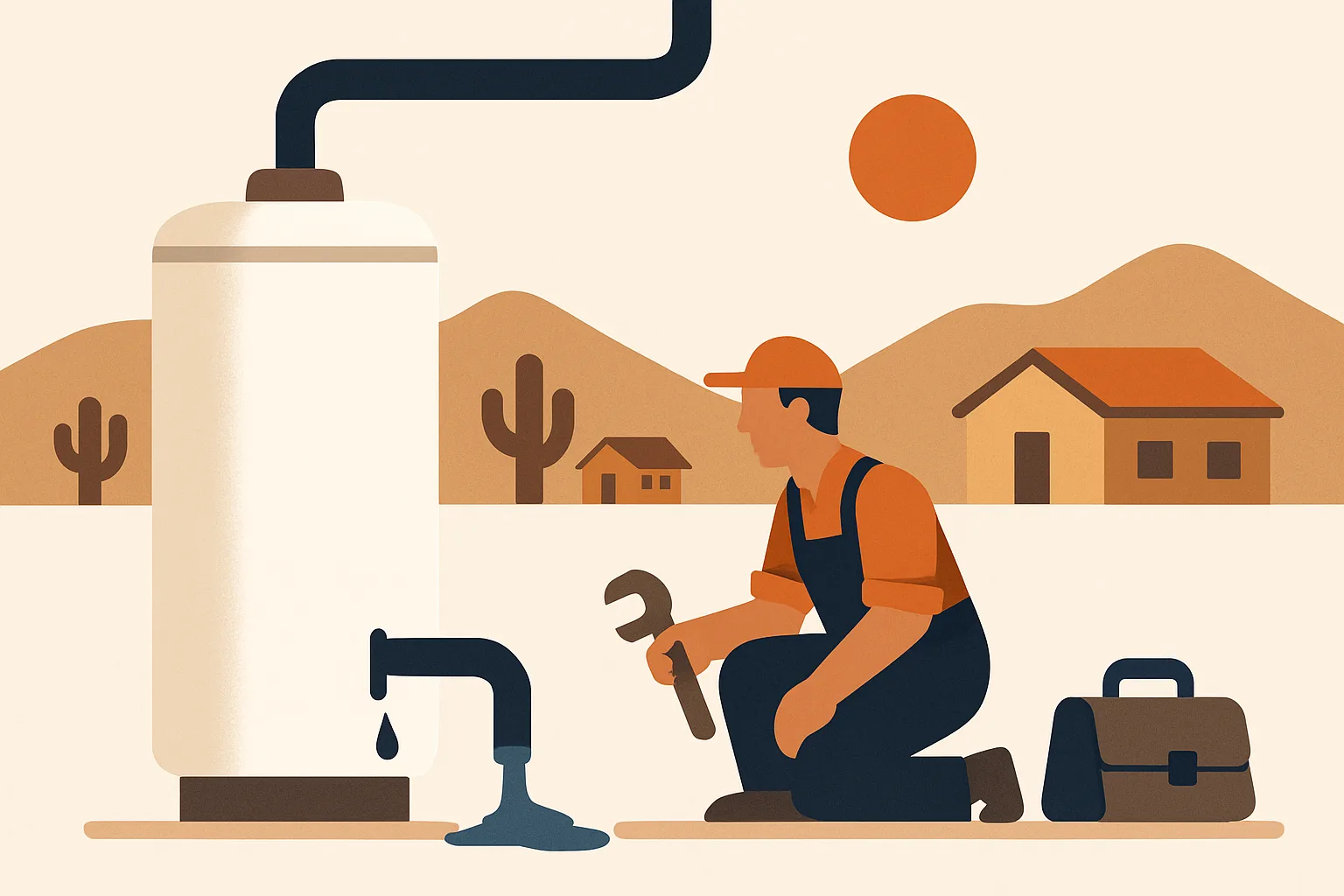
Putting off commercial plumbing leak repairs in Las Vegas often turns a small maintenance line item into real downtime, higher utility bills, and expensive upgrades. Here is what actually happens when you wait, and how to time commercial plumbing work so it fits your budget and operations.
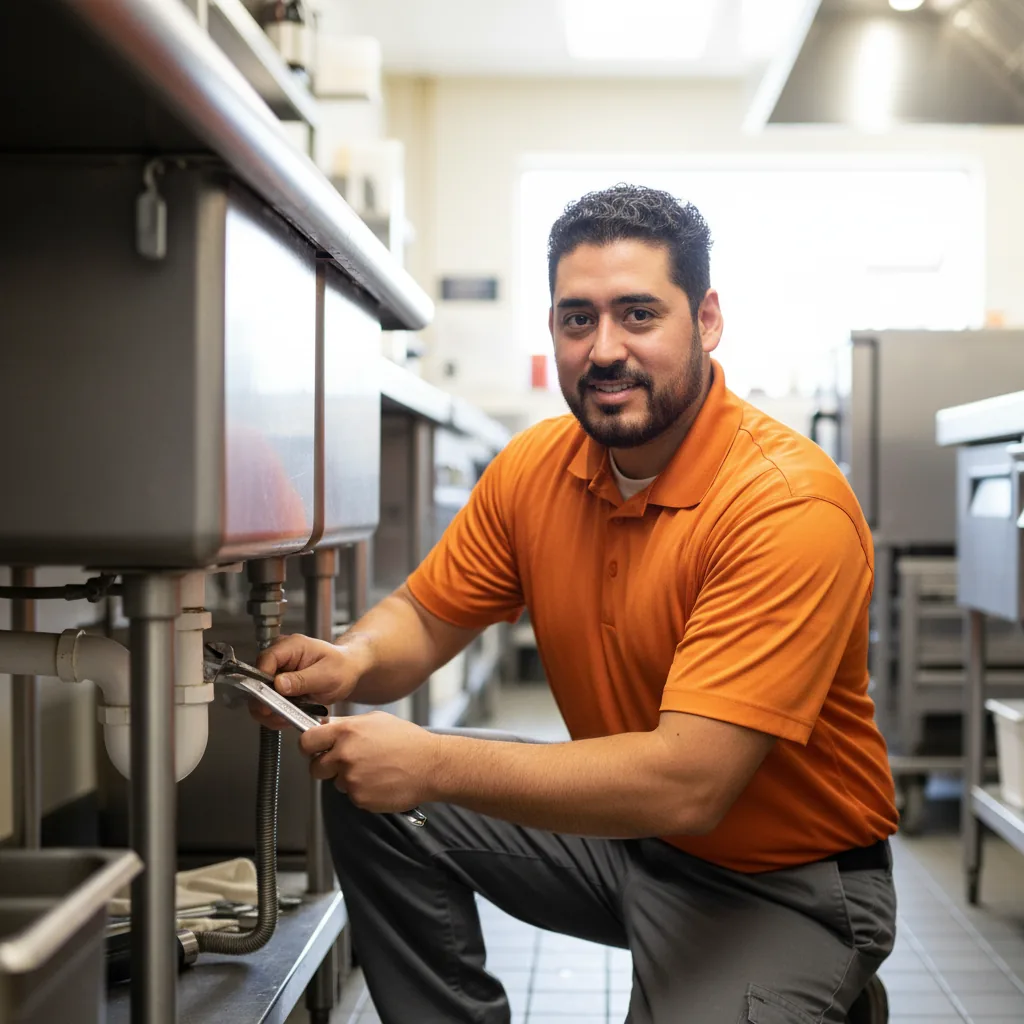
How long can you really wait to fix a commercial plumbing leak in Las Vegas?
For most commercial properties in the Las Vegas valley, waiting on a plumbing leak is less about a hard deadline and more about how much risk you want to carry. A slow drip in a janitor closet does not feel urgent, but in a city with very hard water and slab-on-grade construction, even minor leaks can carve channels in concrete, damage finishes, or start corroding fittings long before you see a puddle. The longer you wait, the more variables you lose control over.
The business impact is just as real as the physical damage. A leak in a restroom or kitchen can turn into a health code concern, a customer complaint, or even a temporary shutdown if inspectors or property insurers get involved. Commercial plumbing labor in Las Vegas typically runs between about $95.53 and $150 per hour for standard work, based on recent estimates, and specialized or emergency calls can reach higher ranges. When you wait, you are more likely to need that premium, rushed service instead of a planned repair that fits neatly into your operating schedule.
Kingdom Plumbing’s commercial plumbing team looks at timing as a planning problem, not a scare tactic. The goal is to help you fix issues while they are still small enough to handle during regular hours and with minimal disruption. That starts with understanding what kinds of leaks can safely be scheduled, and which ones really cannot wait without exposing your property and business to outsized risk.
- Small leaks still add up to higher water and sewer bills over time
- Hidden leaks can erode slab-on-grade foundations or finishes
- Code issues are more likely when leaks are near restrooms or kitchens
- Waiting often forces you into higher-cost emergency or after-hours work
What does waiting actually cost in commercial plumbing labor and scope?
When you look at the cost of commercial plumbing, the hourly rate is only part of the story. Recent cost guides for Las Vegas put commercial plumbing labor in the range of roughly $95.53 to $150 per hour for typical work, with basic tasks sometimes landing on the lower end and more complex or emergency work going higher. That means a simple one-hour leak repair during regular hours might be a manageable line item, while a multi-hour, after-hours emergency can hit your budget much harder.
What really changes when you wait is the scope of work. A leaking flush valve on a commercial toilet might be fixed with a straightforward part swap if caught early. If you ignore it and the leak soaks into walls or floors, the job can grow to include drywall replacement, mold remediation by other trades, and possibly fixture replacement. The plumbing labor rate is the same category of cost, but now there are more hours, more materials, and more coordination with other contractors, all of which increases downtime for your business.
There is also the cost of scheduling pressure. If a leak forces you to call for emergency commercial plumbing outside normal business hours, you are competing with other urgent calls, and the work often must be compressed into tighter windows. That can mean multiple plumbers on site at once, or work that stretches over several visits to avoid interrupting sales or tenant operations. Compare that to a planned repair where you and your plumber align on timing, access, and staging, and you can see how early action keeps both cost and disruption in check.
- Early repairs usually take fewer labor hours to complete
- Emergency calls often come at higher hourly rates or minimums
- Scope tends to grow from a simple leak to fixture or pipe replacement
- Waiting can drag in non-plumbing trades like drywall and flooring
How do leaks fit into the longer commercial plumbing timeline?
Every commercial property has a plumbing lifecycle that ranges from initial build-out to ongoing maintenance and eventual upgrades. Industry guidance for commercial build-outs suggests that the full process from lease signing to opening often runs 4 to 9 months, with the construction and plumbing phase alone taking about 8 to 20 weeks. That timeline gives you a sense of how long a major plumbing change can take if a leak reveals a deeper system issue during a remodel or expansion.
If you postpone a leak repair and it later turns out to be tied to an undersized water line, a failed shutoff, or a corroded branch that feeds several restrooms, the fix may no longer be a quick patch. It can become a mini capital project with design, permitting, and inspections folded into it, operating within the same general timeframes that larger build-outs follow. That means more time waiting for approvals, more planning around inspections, and more coordination with tenants or departments that rely on those fixtures.
By contrast, dealing with leaks as part of a routine commercial plumbing maintenance schedule lets you make incremental improvements instead of emergency overhauls. When a plumber documents small issues as they appear, you can bundle repairs or replacements into planned work windows and align them with other property projects. This approach respects the reality that commercial spaces are rarely static, and it helps you avoid a surprise finding that stretches your timeline for occupancy, leasing, or business expansion.
- Major plumbing changes can take 8-20 weeks inside a full build-out
- Leak repairs can snowball into design and permitting if you wait
- Bundling repairs into planned projects shortens actual downtime
- Documented issues help you phase upgrades instead of rushing them
How does Las Vegas hard water make delays more expensive for commercial systems?
The Las Vegas Valley Water District reports that local water hardness is around 291 parts per million, which is about 17 grains per gallon, and classifies it as very hard water. That mineral load is tough on every part of a commercial plumbing system, from flush valves and faucet cartridges to water heaters and supply lines. In this environment, small leaks are often a symptom of wear from scale and corrosion, and the longer they run, the faster that damage spreads.
Hard water can leave scale inside valves and pipes, which makes them harder to fully close and more prone to seeping. A minor drip at a commercial sink or restroom fixture might start as a simple seal issue, but if mineral buildup keeps the valve from sealing, you now have a constant path for water to escape. Over time, that can increase localized corrosion, stain fixtures, and shorten the life of equipment. Since water hardness is a given in the Las Vegas valley, ignoring leaks is effectively giving those minerals more time to work on your system.
Commercial properties with higher fixture counts feel this multiplier effect more quickly. Dozens of small leaks across a hotel floor, office restrooms, or a retail center add up to more water consumption, more wear on water heaters, and more stress on supply lines and shutoff valves. Kingdom Plumbing’s commercial plumbing service is built around that local reality: instead of treating each leak in isolation, we look at how hard water may be affecting the broader system so that repairs are not just quick fixes but part of a longer-term plan.
- Las Vegas water is about 17 grains per gallon, which is very hard
- Hard water scale makes valves and cartridges more likely to leak
- Multiple small leaks compound water use and equipment wear
- Ignoring leaks gives corrosion and scale more time to spread
What does a good commercial plumbing maintenance plan include so you are not always in emergency mode?
One of the best ways to avoid paying emergency rates for leak repairs is to have a commercial plumbing maintenance plan that actually fits your building. Industry guidance suggests that a solid plan should include routine inspections of fixtures, checks for visible leaks, evaluations of drain and sewer performance, reviews of accessible pipes and valves, and assessments of water pressure and flow. For properties with water heating systems, regular maintenance of those units is just as important, since leaks around tanks and piping can escalate quickly.
Just as important as the checklist is tailoring the plan to your property type. A restaurant will have very different risk points than a warehouse or office. Kitchens, public restrooms, and any space where plumbing ties into equipment need more frequent eyes on them. A good commercial plumbing partner will also keep maintenance records and follow up on any issues that were noted but deferred, so small leaks or borderline components do not fall through the cracks between busy seasons or tenant turnover.
For Las Vegas owners and property managers, the goal is to turn leaks from surprises into scheduled tasks. When Kingdom Plumbing performs commercial plumbing inspections, we are looking for the patterns that lead to problems, such as repeated valve failures in a hard water zone or pressure issues that suggest an undersized line. That way, you can decide when to address them based on your budget cycle and occupancy plans, instead of waiting until a leak forces your hand during business hours.
- Schedule regular inspections of fixtures and visible piping
- Check drains, sewers, and water pressure during each visit
- Service water heaters and related piping on a routine basis
- Keep written records so past issues do not get forgotten
How can you tell when it is time to call a commercial plumber instead of waiting one more month?
Deciding when to call for commercial plumbing help is part technical judgment, part business decision. Some signs call for a quicker response, such as active dripping, unexplained moisture around walls or ceilings, recurring sewage odors, or fixtures that refuse to shut off completely. Any sign of sewer backup, cross connection risk, or water quality change around a leak area should be treated as a priority because these issues can touch safety or regulatory compliance.
Other situations give you a bit more flexibility but still benefit from early scheduling. Examples include intermittent dripping that is not worsening, small stains that have stopped growing, or minor pressure changes that do not yet affect operations. In those cases, the smartest move is often to get a commercial plumbing inspection on the calendar within your next maintenance window. That visit can confirm whether the issue is stable or about to become a bigger problem, and you can then plan repairs before they disrupt tenants or customers.
A key point for Las Vegas property managers is that plumbing work rarely happens in a vacuum. Access, tenant coordination, and inspection timing all affect how quickly a fix can be completed once you decide to move forward. If you already know a restroom, kitchen, or mechanical room will be out of service for other work, that is a perfect time to bring in Kingdom Plumbing’s commercial plumbing team to resolve leaks and related issues. You get the efficiency of one disruption instead of several, which is the opposite of what happens when you wait until something breaks.
- undefined
- undefined
- undefined
- undefined
- undefined
- undefined
- undefined
- undefined
Frequently asked questions
- How much does it cost to fix a commercial plumbing leak in Las Vegas?
- Costs vary with access, severity, and time of day, but recent commercial plumbing guides list typical labor in Las Vegas around $95.53 to $150 per hour for standard work. Emergency or highly specialized jobs can run higher because of the faster response and added complexity. Materials and any related repairs by other trades will add to the total. A written estimate that outlines labor, parts, and possible contingencies will give you the clearest picture.
- Is it cheaper to wait and bundle commercial plumbing leaks into one big repair?
- Bundling work can save on trip charges and coordination, but waiting for leaks to accumulate often lets damage spread and makes each repair more complex. In a very hard water area like Las Vegas, small leaks can speed up corrosion and scale buildup, shortening the life of valves and fixtures. A better approach is to bundle non-urgent issues while still addressing active leaks and safety concerns promptly.
- How does Las Vegas hard water affect commercial plumbing leaks?
- The Las Vegas Valley Water District reports that local water is very hard at around 291 parts per million, or about 17 grains per gallon. Those minerals tend to build up inside pipes and valves, which can prevent fixtures from sealing completely and lead to persistent drips. Over time, this increases wear on components and raises the chance that a small seep turns into a more serious leak or failure.
- Can I wait to fix a slow leak in a commercial restroom if it is not bothering anyone?
- You may be able to schedule a slow leak during your next maintenance window, but it should still be inspected within a reasonable timeframe. Restroom leaks can contribute to water damage, mold, and potential code concerns, especially in high-use areas. The safest path is usually to have a commercial plumber evaluate the leak and help you decide whether it needs near-term action or can be planned alongside other work.
- How does a commercial plumbing maintenance plan help prevent emergency leak repairs?
- A structured maintenance plan typically includes regular inspections of fixtures, piping, drains, and water heaters, along with water pressure checks and record keeping. By catching worn parts and small leaks early, you can schedule repairs during off-peak hours instead of in the middle of a business day or tenant event. This reduces both emergency callouts and the risk of sudden failures that cause downtime.
- When should I call a commercial plumber instead of having my staff monitor a leak?
- If you see active dripping, spreading stains, sewage odors, or fixtures that will not shut off, it is time to call a licensed commercial plumber. Leaks near electrical equipment, food preparation areas, or sensitive tenant spaces also warrant professional attention because the risk extends beyond just water on the floor. For minor, stable issues, you can still benefit from scheduling an inspection so a pro can advise on timing and scope.
- Can a small plumbing leak delay a larger commercial build-out or renovation?
- Yes, sometimes a small leak reveals a bigger problem such as an undersized line, corroded branch piping, or a failing valve group that serves multiple fixtures. If that happens during a build-out, fixing it can fold into the broader plumbing and construction phase, which industry sources say often runs 8 to 20 weeks inside a 4 to 9 month project. Identifying and handling these issues before major construction starts helps avoid schedule surprises.
Talk to Kingdom Plumbing about commercial plumbing, or call (702) 840-5037. Family-owned, NV Contractors License #0085422, upfront flat-rate pricing.
Kingdom Plumbing is a family-owned, licensed Las Vegas plumber (NV NV Contractors License #0085422) serving the valley since 2018. Questions about how this affects your home? Call (702) 840-5037. Dealing with a burst pipe or flooding right now? Our emergency plumbers in Las Vegas answer 24/7.