
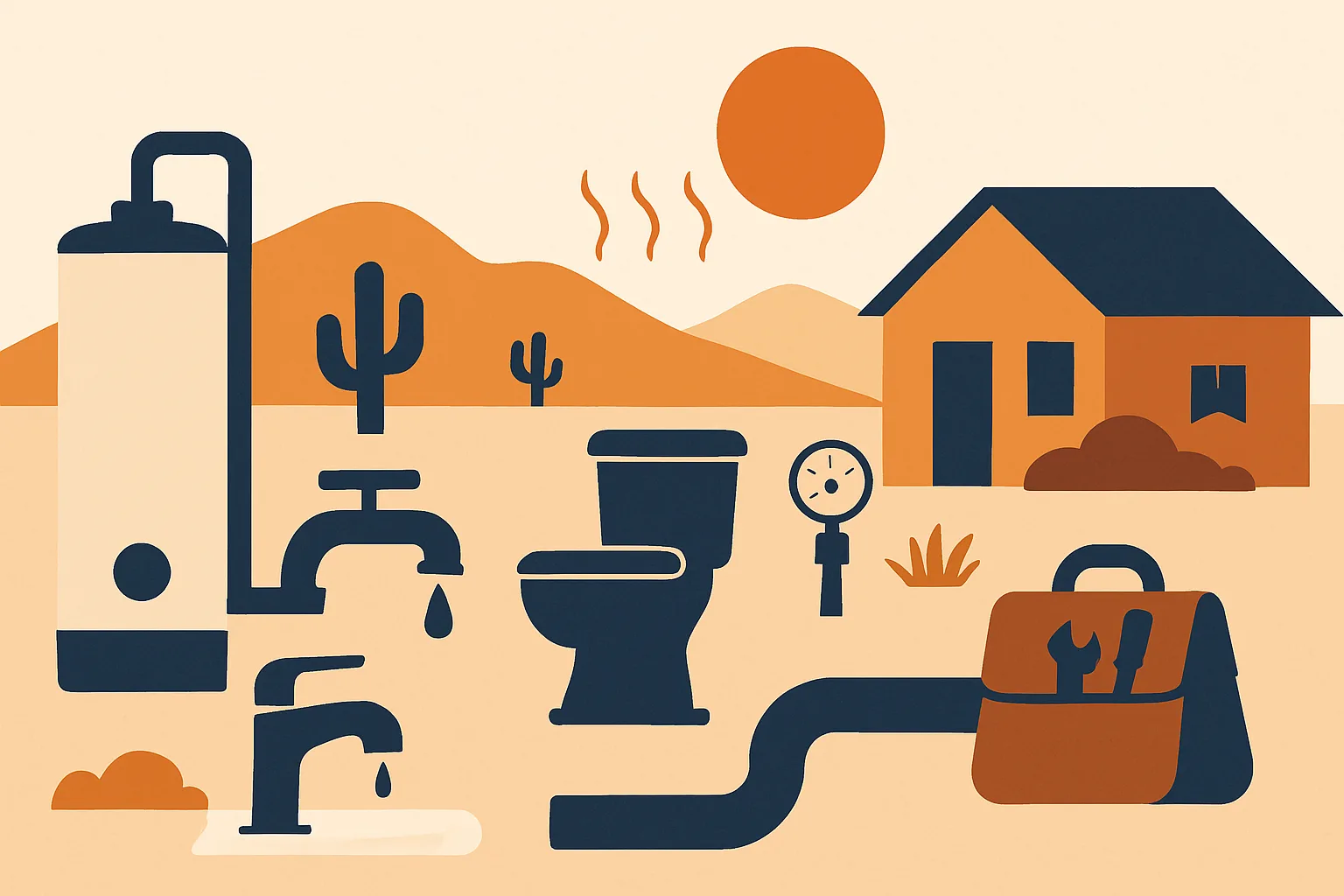
The National Weather Service issued an extreme heat warning for Clark County from September 9-11, 2026, and the county opened cooling stations to protect residents. That same heat quietly pushes your water heater, hose bibs, and supply lines toward emergency plumbing problems that cost more when they fail on the hottest days.
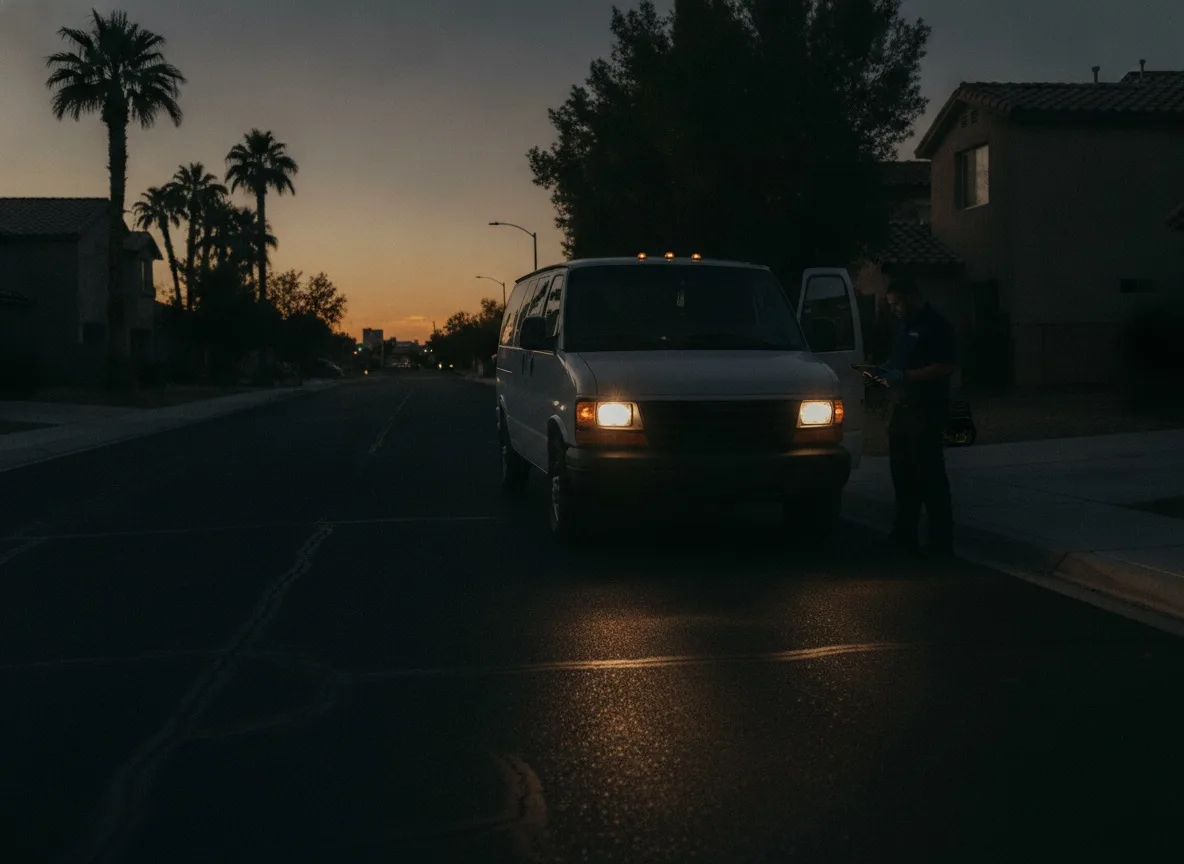
What did the September 9-11, 2026 extreme heat warning change for Las Vegas homes?
From September 9 through 11, 2026, the National Weather Service issued an extreme heat warning for Clark County, and local news reported that the county opened cooling stations to help people and pets get out of dangerous temperatures. In plain terms for a homeowner, that means the valley slid back into triple-digit afternoons at a time of year when many of us hope things will start cooling down. You likely ran the air conditioning longer, stayed indoors more, and used sinks, showers, and laundry a bit differently as you tried to keep the family comfortable.
While the headlines focused on personal safety and cooling centers, that same heat spike quietly affected your plumbing system. Hotter air and hotter ground mean hotter incoming water, more expansion and contraction in pipes, and more pressure on everything from your water heater to your irrigation valves. Between the long summer we already had and this latest September heat wave, your system may already be at its limit. As a family-owned Las Vegas plumber, we see a very predictable pattern: extreme heat warnings are often followed by emergency plumbing calls for burst outdoor lines, failed water heaters, and mysterious slab leaks.
This latest warning is a useful reminder that our desert climate does not follow a tidy summer-only schedule. Sudden heat in September can catch a slightly weakened plumbing system off guard. If you have been putting off inspections or repairs, the combination of months of use and another intense hot spell can be enough to push marginal parts to failure. That is why it is smart to look at this specific September 2026 event as a nudge to get a professional set of eyes on the parts of your plumbing most stressed by heat before the next warning hits.
- Longer AC runtime changes how condensate drains behave and can cause backups
- Triple-digit days keep outdoor hose bibs and irrigation lines under constant pressure
- Hotter incoming water raises operating temperatures in your water heater
- Soil movement from prolonged heat can stress underground pipes and slab plumbing
Which plumbing fixtures take the biggest hit during an extreme heat warning?
In a Las Vegas heat event like the one reported for September 9-11, several plumbing components are much more likely to act up. Your water heater, even if it sits in a relatively shaded garage or closet, is working with inlet water that is already warmer after traveling through baked soil and sun-warmed mains. That extra heat means the tank spends more time near the upper end of its design range, and temperature and pressure relief valves are more likely to drip or stick. Over time, that combination can progress from a small nuisance leak to a true emergency plumbing situation if a valve or connection fails suddenly.
Outdoor fixtures are especially exposed. Hose bibs and anti-siphon valves sit in direct sun, often with decorative covers that can actually trap heat. Rubber washers dry out faster, packing nuts loosen with repeated expansion and contraction, and any small crack in a fitting can turn into a visible spray or a slow leak into the stucco or wall cavity behind the faucet. Irrigation valves and manifolds, which many Las Vegas homes rely on to stay compliant with Southern Nevada Water Authority watering schedules, bake in ground boxes that can approach oven-like temperatures during an extreme heat warning.
Inside the home, supply lines that run through attics or exterior walls may be pushed harder than usual. The same slab-on-grade construction that helps keep homes cooler can hide aging hot and cold water lines in the concrete, where heat cycles gradually stress fittings and joints. When you layer another intense heat event on top of years of use, that is when some homeowners start to see signs of a slab leak or sudden drops in water pressure. These are the kinds of issues that seldom show up during mild weather but often appear right after the kind of warning Clark County just experienced.
- Water heaters operating closer to maximum temperature and pressure
- Hose bibs and vacuum breakers drying out and cracking
- Irrigation valves and manifolds overheating in ground boxes
- Attic and exterior-wall supply lines expanding and stressing joints
How does extreme Las Vegas heat turn small plumbing issues into emergencies?
When temperatures spike enough for the National Weather Service to call an extreme heat warning, you get more than a comfort issue. Heat is a multiplier for plumbing wear. Every small weakness, from a slightly corroded fitting to a water heater that is overdue for service, is stressed harder and more often. In practice, that can turn a slow seep into a full break. For example, a hose bib that only dripped when you ran it in June might suddenly start spraying from behind the wall after a few more weeks of expansion and contraction in September.
Emergency plumbing calls that follow heat waves often involve combined symptoms. A homeowner might notice a hot spot on the floor, a higher water bill, and a faint hissing sound, all pointing toward a slab leak that had been slowly developing. The prolonged heat dries out soil and caliche around the home, the slab shifts slightly, and an already tired elbow or coupling in the hot water line cracks. Because Las Vegas water is relatively hard at around 16 grains per gallon per the Las Vegas Valley Water District, minerals can also build up in water heaters and fixtures, increasing internal stress during high-temperature operation.
Heat also affects how quickly you notice a problem. In extreme temperatures, people tend to stay indoors, run more cold water, and take extra showers. That increased use means a small defect has more opportunities to leak, drip, or burst. By the time you spot a ceiling stain, musty smell, or pooling water outside, what started as a minor issue can already be an emergency. A licensed emergency plumbing service can locate and isolate the problem, but the earlier they are called, the more of your drywall, flooring, and personal property can be spared from damage.
What should a Las Vegas homeowner ask an emergency plumber during a heat wave?
If this September 2026 warning or a future one lines up with a sudden plumbing issue, you may find yourself on the phone with an emergency plumbing dispatcher for the first time. In the stress of dealing with active water damage or a loss of hot water, it helps to have a short list of questions ready. A good starting point is to ask about licensing, insurance, and experience in Las Vegas specifically. Kingdom Plumbing is licensed, bonded, and insured under NV Contractors License 0085422 and has been working only in the Las Vegas valley since 2018, so we are very familiar with how our climate and building styles affect plumbing failures.
You should also ask how quickly a technician can realistically arrive, what the initial visit includes, and how pricing is handled. For example, at Kingdom Plumbing we use upfront flat-rate pricing that you approve before work starts, so you know what you are agreeing to instead of guessing as the clock runs. It is reasonable to ask whether the plumber can handle related issues if they are discovered, such as repairing a damaged shutoff valve while fixing a leak, or checking water heater safety controls while addressing a hot water outage.
Another useful question in the context of an extreme heat warning is what short-term steps you should take until the plumber arrives. That might include turning off the main water, shutting off power or gas to the water heater, or avoiding the use of specific fixtures. Clear instructions on these steps can prevent a bad situation from getting worse. You can also ask for a brief overview of any follow-up work that might be needed after the emergency fix, such as drywall repair or a more comprehensive plumbing inspection once the immediate leak is under control.
How can you prepare plumbing before the next Clark County extreme heat warning?
The September 9-11, 2026 heat event is already on the books, but it does not have to be just another rough weather story. It can be your reminder to get ahead of the next one. Preparing your plumbing for future extreme heat is less about learning to fix things yourself and more about knowing when to bring in a professional. Most Las Vegas homeowners do not have the tools or time to inspect water heater safety devices, test pressure at hose bibs, or check for hidden slab leak signs, but a licensed plumber can do those things in a single visit.
Start by prioritizing the parts of your system that work the hardest in hot weather. A water heater checkup can confirm that temperature and pressure relief valves are within code, that expansion tanks are holding charge, and that mineral buildup is not already pushing your tank toward premature failure. An inspection of outdoor fixtures can identify hose bibs that need new packing or replacement, and irrigation manifolds that are seeping below grade. If your home is older or if you suspect Kitec-era piping or other materials that have known issues in heat, flag that up front so the plumber can focus on those areas.
Finally, think about convenience and peace of mind. It is easier to schedule a planned visit than to scramble during an extreme heat warning when many neighbors are also discovering problems. Building a relationship with a reliable emergency plumbing provider before you are in crisis means you know exactly who to call and what to expect. For many homeowners, that alone is worth the modest cost of a preventive inspection, especially in a climate where the next triple-digit week can arrive earlier or later than anyone expects.
- Schedule a professional water heater inspection before or shortly after an extreme heat warning so a licensed plumber can verify safety valves, check for leaks, and assess mineral buildup under our hard water conditions.
- Have a plumber inspect and operate every outdoor hose bib and vacuum breaker, tightening packing nuts or recommending replacement where heat has dried out washers and seals.
- Ask for a quick pressure check at an exterior faucet to make sure incoming water pressure is within a safe range, since excessive pressure combined with heat can push weak fittings over the edge.
- Request a visual slab leak screening during a routine visit, especially if you notice warm spots on the floor, unexplained water usage, or faint hissing sounds in walls or concrete.
- Confirm that your main water shutoff valve is reachable and operable, and have a plumber replace it if it is seized, so you can safely shut down water during any future emergency.
- Work with an emergency plumbing provider to establish what constitutes an urgent call versus a next-day repair, so you know when to pick up the phone during a heat wave.
- Ask your plumber to inspect AC condensate drains and nearby plumbing when they are already on site, since clogged drains often show up during the same extreme heat periods.
- Store the number for a trusted 24/7 emergency plumbing service such as Kingdom Plumbing at (702) 840-5037 in your phone and share it with family members, so no one has to search for help while water is actively leaking.
Frequently asked questions
- How does a Clark County extreme heat warning affect my water heater at home?
- During an extreme heat warning, incoming water and the space around your water heater are both hotter, so the tank operates closer to its maximum temperature and pressure. That extra stress can push aging temperature and pressure relief valves, expansion tanks, and connections toward failure. A quick inspection by a licensed plumber can catch problems before they turn into leaks or a loss of hot water.
- Why do I see more hose bib leaks after really hot weeks in Las Vegas?
- Outdoor hose bibs sit in direct sun, and repeated cycles of extreme heat and cooling dry out washers and packing materials inside the faucet. Over time, that can loosen fittings and open small gaps that show up as drips, sprays, or leaks into the wall behind the bib. Replacing worn parts or the entire fixture before the hottest part of the year can prevent an emergency call later.
- Should I call an emergency plumber during a heat wave if I just have a small drip?
- If the drip is constant, the source is uncertain, or you cannot easily shut it off, it is wise to call an emergency plumbing service to at least discuss the situation. In extreme heat, minor leaks can escalate quickly, especially if they are coming from a water heater, slab line, or attic pipe. A brief phone conversation can help you decide whether the issue can wait or needs same-day attention.
- Can extreme heat cause a slab leak in my Las Vegas home?
- Heat by itself does not create a slab leak, but it can contribute to one by drying and shifting soil around your foundation and stressing aging pipes embedded in concrete. If your plumbing is already weakened by age, mineral buildup, or past movement, an intense heat event can be the final push that causes a crack or break. Signs like warm spots on floors, higher water bills, or the sound of running water with fixtures off should be checked promptly.
- What should I do while I wait for an emergency plumber during a plumbing leak in hot weather?
- The most important step is to shut off your main water valve if you can safely reach it, then shut off power or gas to the water heater if it is involved. Move valuables away from wet areas, place buckets or towels to contain water, and avoid walking on ceilings or floors that appear severely saturated. When you call an emergency plumbing service, ask for any additional safety steps that apply to your specific situation.
- How can I prevent emergency plumbing problems before the next Las Vegas heat warning?
- The best prevention is a proactive visit from a licensed plumber to inspect your water heater, outdoor fixtures, and accessible supply lines before temperatures spike again. They can replace worn hose bibs, test safety devices, and spot early signs of leaks so you are not surprised during the next warning period. Keeping a reliable 24/7 emergency plumbing number like Kingdom Plumbing at (702) 840-5037 on hand also ensures you are ready if a problem does arise.
Talk to Kingdom Plumbing about emergency plumbing, or call (702) 840-5037. Family-owned, NV Contractors License #0085422, upfront flat-rate pricing.
Kingdom Plumbing is a family-owned, licensed Las Vegas plumber (NV NV Contractors License #0085422) serving the valley since 2018. Questions about how this affects your home? Call (702) 840-5037. Dealing with a burst pipe or flooding right now? Our emergency plumbers in Las Vegas answer 24/7.
More Updates
- What questions should you ask before hiring a plumber for garbage disposal work?
- Tank Toilets vs Tankless Toilets: When a Las Vegas Home Should Choose Each
- New Colorado River rules for 2027-2036. What it means at your tap
- Tier One shortage and Lake Mead low: what it means before you buy or repair drain lines