
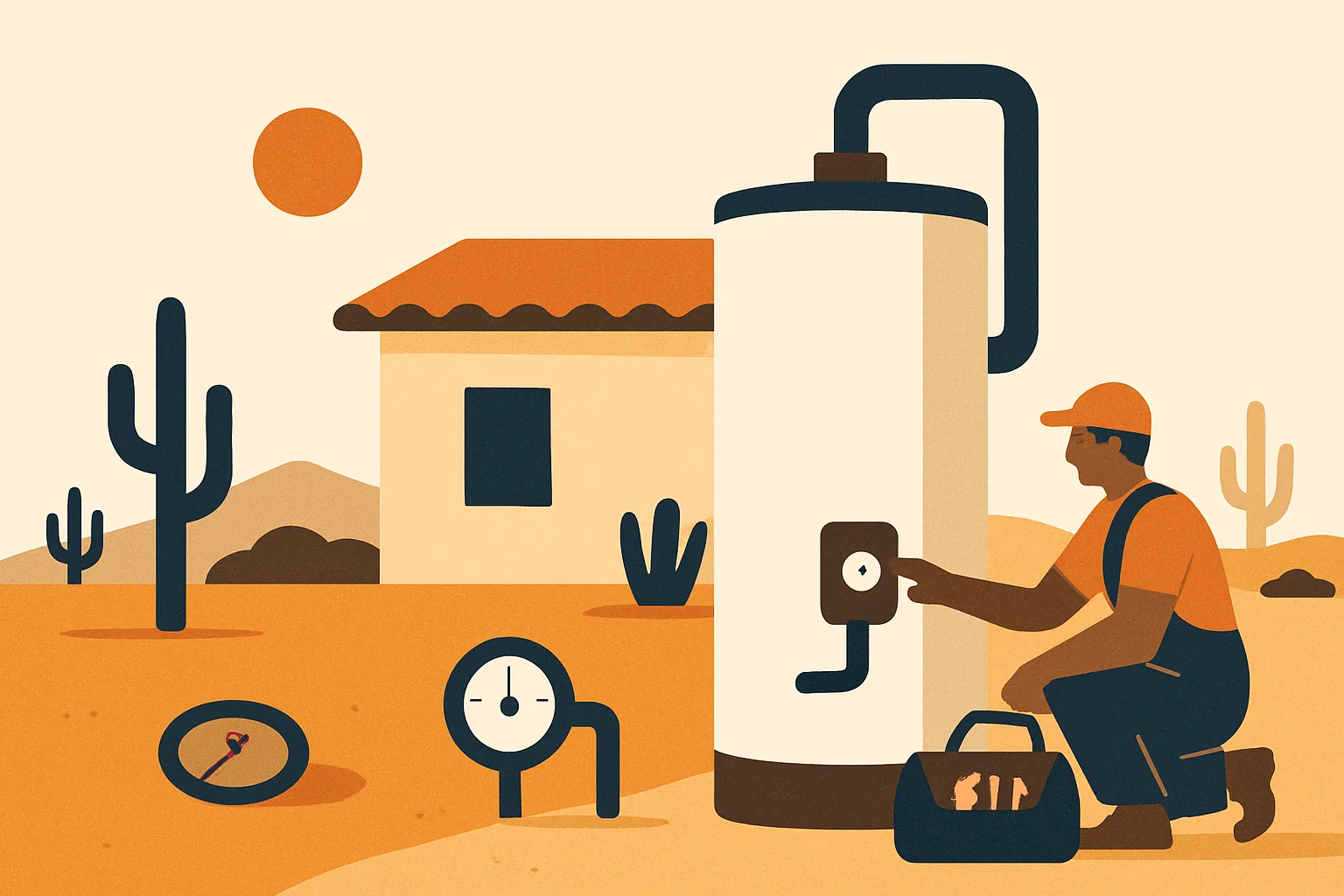
Southern Nevada Water Authority reports higher Colorado River water use in September 2026 and has stricter fall watering limits in place through October 31. For Las Vegas homeowners, that same conservation push is a good signal to look at how your water heater is using water and energy before winter hits.
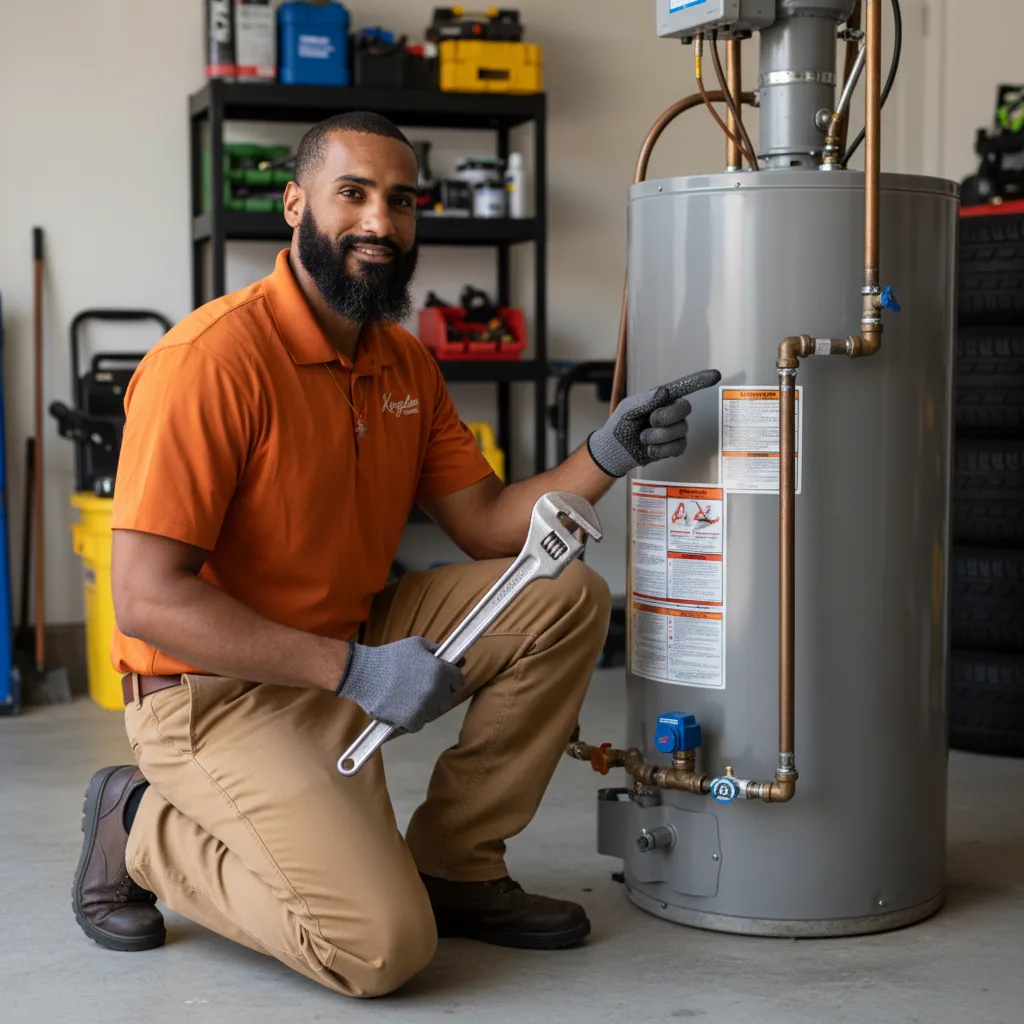
What did SNWA change for fall 2026 and why should water heater owners care?
Southern Nevada Water Authority recently shared that our region used roughly 56 billion gallons of Colorado River water in September 2026, which is more than the 53 billion gallon average over the last few years. To help keep use in check while shortage conditions continue, SNWA is enforcing mandatory fall watering limits through October 31. That means spray irrigation is capped at three days per week, and Sunday watering is not allowed at all for residential yards. Those rules target outdoor use, but they highlight a bigger reality that matters to your plumbing: every gallon counts right now in the Las Vegas Valley.
Inside the home, your water heater is one of the largest energy users and a significant driver of hot water demand. If it is aging, full of sediment from our very hard water, or undersized so you constantly run it higher to keep up, it can quietly waste a lot of both water and power. With Lake Mead still low and conservation in the news, this is a smart time to step back and ask whether your current system is working efficiently. For many homeowners, a well-timed water heater repair and replacement project does more for long term bills and reliability than any single sprinkler adjustment in the yard.
- Outdoor watering is now limited to three days per week
- Sunday watering is not allowed through October 31
- Indoor efficiency upgrades are not mandated but strongly encouraged
- Water heaters are a major source of both water and energy use
How do low Colorado River and Lake Mead levels connect to your hot water?
The regional water picture is part of this story. Daily monitoring from BasinPulse and ReservoirBench shows Lake Mead around 1,037.65 feet, or roughly 26.1 percent of full, with the broader Colorado River system still at historically low levels. That is the same river system that supplies the Las Vegas Valley, and it is why SNWA tracks every billion gallons going out the door. While indoor use here is heavily treated and returned, the pressure to be efficient will not disappear as long as reservoir levels stay this low.
From a practical homeowner perspective, this means you can expect conservation messaging and possibly tighter standards to be the norm for years, not a temporary campaign. If your water heater is 8 to 12 years old, oversized for your household, or constantly leaking from valves, it may be working against those long term goals. Replacing or repairing a problem heater now can reduce wasted hot water, cut down on the time you run taps waiting for temperature changes, and keep your home in step with the valley’s direction on water use. Planning with this bigger picture in mind usually pays off in lower surprise costs later.
- Lake Mead is about 26.1 percent full per recent monitoring
- Colorado River reservoirs are still at historically low levels
- Conservation rules and messaging are likely to continue long term
- Updating inefficient fixtures helps align with future water policies
Why fall 2026 is a smart time in Las Vegas to assess water heater condition
SNWA’s fall watering schedule runs through the end of October, which lines up with a seasonal shift for your plumbing as well. As Las Vegas moves out of the extreme summer heat, inlet water temperatures start to drop, and your water heater has to work harder to deliver the same shower comfort. Any weaknesses in the system, like heavy scale buildup inside the tank or a failing heating element, tend to show up as lukewarm showers, longer wait times, or noises from the tank. Those are early signs that you should talk to a licensed plumber about water heater repair and replacement options instead of waiting for a complete failure.
Fall is also practical from a scheduling standpoint. Plumbers tend to see more emergency calls when the first cold snap arrives and older heaters crack, leak, or stop firing. Handling an inspection and any recommended repairs now usually gives you more choice on timing, model selection, and pricing, rather than rushing through decisions on a weekend night. For slab-on-grade homes common around Las Vegas, a leaking water heater can also threaten nearby finishes or storage if it is tucked into a garage corner or interior closet. Addressing issues before the heater leaks or bursts is almost always cheaper and less stressful than cleaning up after water damage.
How Las Vegas hard water and conservation rules affect repair vs replacement decisions
The Las Vegas Valley Water District has long noted that our water is very hard, around 16 grains per gallon. That level of hardness means minerals constantly settle inside tank water heaters, especially in homes that never flush the tank or check the anode rod. Over time, thick layers of scale act like insulation on the bottom of the tank or on heating elements, so the unit uses more gas or electricity to produce the same amount of hot water. In a period when SNWA is calling for reduced use and Lake Mead is under pressure, it makes extra sense to ask if you are paying to heat water that is not efficiently delivered.
When a professional evaluates your system, they will look at the age of the tank, the visible corrosion, the amount of sediment, and the frequency of past repairs. Sometimes a thorough service, such as flushing, replacing failed components, or adjusting temperature settings, can extend the life of a relatively young unit. Other times, especially with older tanks that have seen a decade or more of hard water, replacement is the more cost effective and resource efficient choice. The right path is different for each home, but the conversation should always include water and energy use, not just whether it is still limping along today.
- Very hard water speeds up scale buildup in tank heaters
- Scale reduces heating efficiency and raises energy use
- Regular maintenance may extend life for younger units
- Older, heavily scaled tanks are often better to replace
What should you ask a plumber about water heater repair and replacement in this climate?
If the SNWA watering reminders have you thinking about efficiency, the next step is choosing the right professional and knowing what to ask. For water heater repair and replacement in Las Vegas, you want someone who understands both our hard water and the broader conservation landscape tied to the Colorado River. Start by asking about the age and condition of your current unit and whether any targeted repairs would be safe and sensible. In some cases, replacing thermostats, elements, igniters, or relief valves can restore performance without the cost of a new tank.
You should also ask how different replacement options will perform in local conditions. For example, a high efficiency gas or heat pump water heater might have a higher upfront price but lower monthly use, which can matter over the life of the unit. Ask about tank size relative to your household, recovery time, and whether any simple recirculation or piping changes could cut down on the water you waste waiting for hot water. Finally, confirm that the plumber is fully licensed, bonded, and insured in Nevada, and that they offer clear, upfront pricing before work begins. That keeps the focus where it belongs, on making a calm, informed decision that fits your home and budget.
- Schedule a professional water heater inspection during the fall SNWA watering period so you have time to address issues before the colder months increase demand on your system.
- Ask the plumber to check for sediment buildup, anode rod wear, and temperature settings so you know whether your current heater is wasting water or energy.
- Discuss whether targeted water heater repairs, such as replacing thermostats, burners, or elements, are enough to safely extend the life of your existing unit.
- If your tank is approaching 10 years old or shows signs of corrosion and frequent issues, request quotes for water heater replacement options that match your household size.
- Compare the estimated energy use and recovery times for different models in our hard water conditions instead of focusing only on the lowest upfront price.
- Have the plumber review safety components such as the temperature and pressure relief valve and any expansion tank, since failures in these parts can lead to leaks or damage.
- Ask about simple piping or recirculation improvements that could shorten hot water wait times, which reduces the amount of water you send down the drain while taps run.
- Plan your water heater repair and replacement work for a time when you can be home to ask questions and understand maintenance steps that will keep the new or repaired system efficient.
Frequently asked questions
- How do SNWA fall watering restrictions relate to my water heater in Las Vegas?
- The SNWA fall restrictions apply directly to outdoor irrigation, but they are a reminder that our community is under long term pressure to use water wisely because of low Colorado River supplies. Your water heater is a major user of hot water inside the home, so keeping it efficient and leak free supports the same conservation goals. It also helps lower your utility bills over time.
- Should I replace my water heater because Lake Mead levels are low?
- Low Lake Mead levels alone are not a reason to replace a working water heater, but they are a good cue to evaluate efficiency and condition. If your heater is old, leaking, or heavily scaled from our hard water, replacement may save energy and reduce waste compared with keeping an inefficient unit. A licensed plumber can walk you through repair versus replacement options based on your specific system.
- When is the best time in Las Vegas to schedule water heater repair and replacement?
- Fall is often an ideal time in the Las Vegas Valley, because temperatures are dropping but the first hard cold snaps have not yet arrived. Handling water heater repair and replacement before winter rushes can mean more flexible scheduling and less chance of an emergency breakdown. It also lines up with SNWA’s seasonal conservation reminders, which can help you think about long term efficiency.
- How does hard water in Las Vegas affect my water heater’s lifespan?
- Our local water is very hard, about 16 grains per gallon according to the Las Vegas Valley Water District, and that leads to mineral buildup inside tank water heaters. Over time, that buildup reduces efficiency, increases noise, and can shorten the useful life of the tank or elements. Regular professional maintenance and, when appropriate, timely replacement are the best ways to manage that impact.
- What questions should I ask a plumber about water heater efficiency in this drought?
- Ask how old your heater is and whether recent issues suggest repairs or replacement, how much sediment is in the tank, and what temperature they recommend to balance comfort and efficiency. You can also ask them to compare the expected operating costs of standard versus higher efficiency models over the life of the unit. Be sure to confirm that any recommendation takes our local hard water and conservation climate into account.
- Is it worth upgrading to a more efficient water heater in Las Vegas right now?
- If your current heater is nearing the end of its life or needs major repairs, upgrading to a more efficient model can be worth it, especially with long term drought conditions and continued conservation messaging. A more efficient system can lower your energy use and reduce wasted hot water, which supports both your budget and regional water goals. A plumbing professional can help you compare upfront cost to likely savings over the next decade.
Talk to Kingdom Plumbing about water heater repair and replacement, or call (702) 840-5037. Family-owned, NV Contractors License #0085422, upfront flat-rate pricing.
Kingdom Plumbing is a family-owned, licensed Las Vegas plumber (NV NV Contractors License #0085422) serving the valley since 2018. Questions about how this affects your home? Call (702) 840-5037. Dealing with a burst pipe or flooding right now? Our emergency plumbers in Las Vegas answer 24/7.