
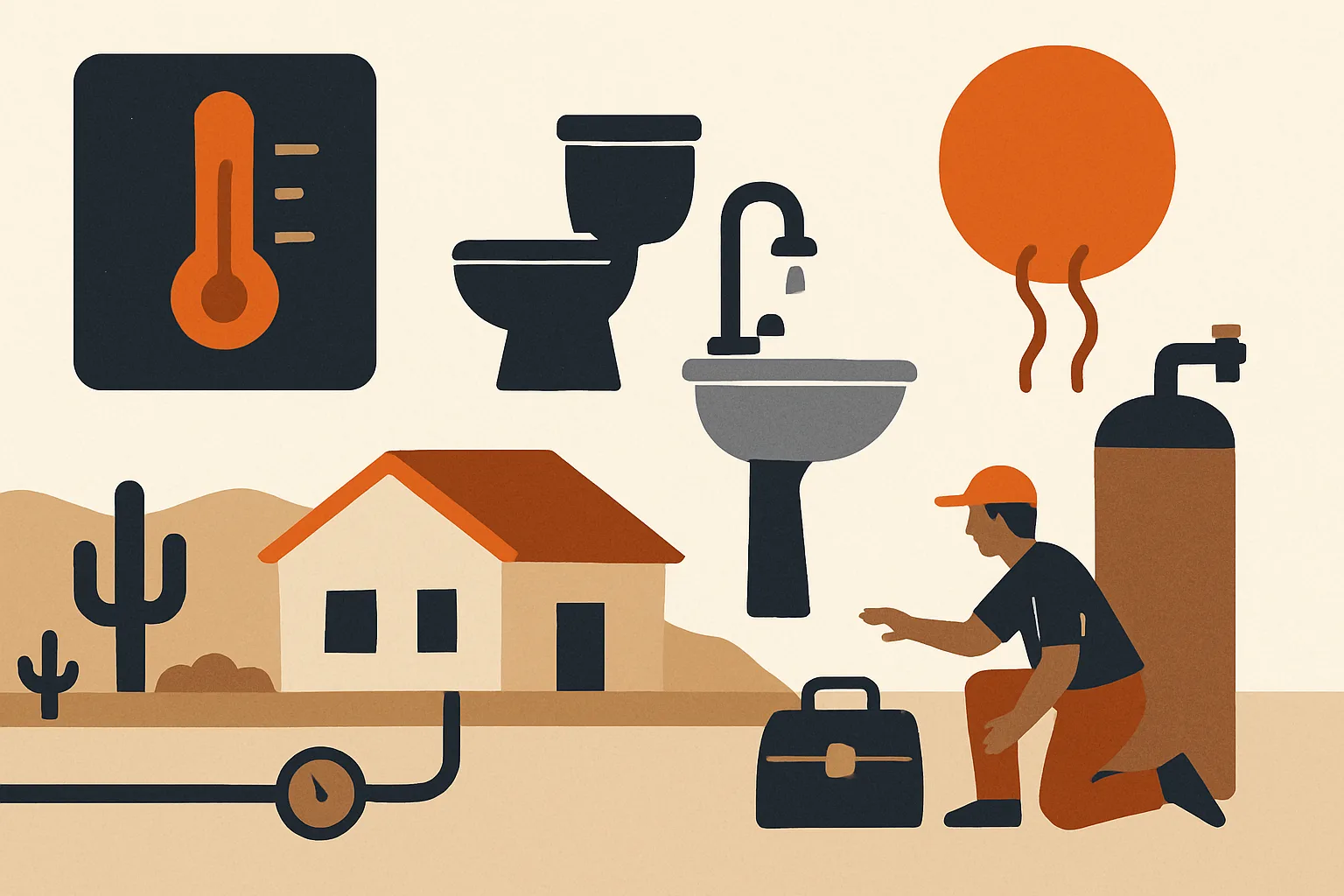
The National Weather Service has an extreme heat warning in place for Las Vegas, with daytime highs near or above 110°F and overnight lows stuck in the 80s. That kind of heat changes how your home’s plumbing, water quality, and water treatment and softeners behave, especially with already hard valley water.
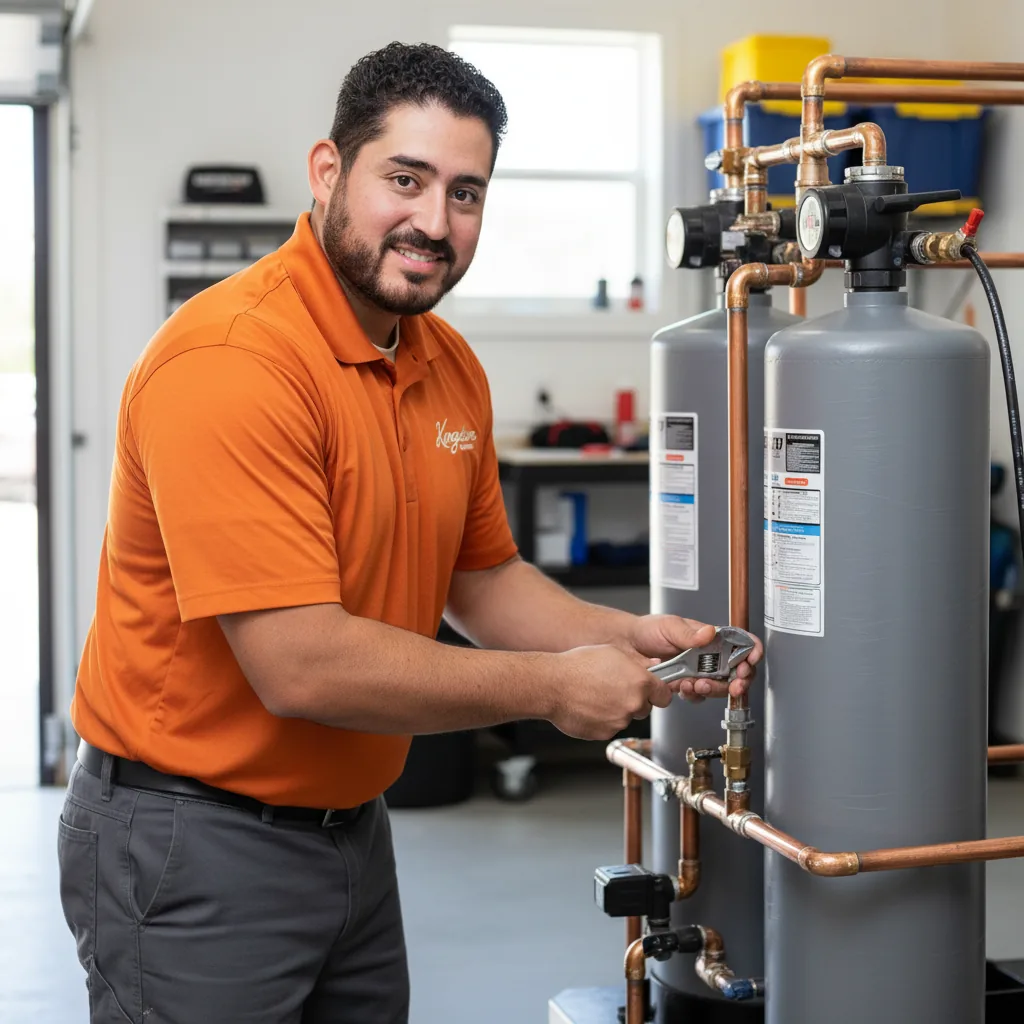
What the October 7, 2026 extreme heat warning means for your home’s water
On October 7, 2026, the National Weather Service issued an extreme heat warning for Las Vegas and the rest of Clark County. Forecasts call for temperatures near or above 110°F in some parts of the valley, with overnight lows that stay in the 80s instead of cooling down. That is unusual heat for early October, and it puts extra stress on building systems that most homeowners do not think about, including plumbing and water treatment.
When the air stays that hot, the water coming into your home warms up too. Summer and shoulder season in Las Vegas already mean higher inlet water temperatures. Add a stretch of very hot days and nights, and your water heater, fixtures, and any existing water treatment and softeners are working under tougher conditions. Minerals in our already hard water can come out of solution faster as water heats up, which leads to more scale on heating elements, inside pipes, and on anything that sprays, like showerheads and faucet aerators.
The weather alert itself focuses on health and safety: stay hydrated, avoid exertion in the hottest hours, and check on vulnerable neighbors. That is all crucial. At the same time, this kind of heat also creates a good checkpoint for how your plumbing system is handling Las Vegas conditions. If you notice cloudy hot water, slower flow at fixtures, or thick white deposits on glass and metal, it is a sign your home is feeling the double hit of extreme heat and hard water, and it may be time to look closely at water treatment and softeners.
- Higher air temperatures also raise incoming water temperature to your home
- Hotter water encourages minerals in hard water to form scale faster
- Scale buildup restricts flow at showerheads and faucet aerators
- Extreme heat stretches show you where your plumbing is already stressed
How Las Vegas hard water and extreme heat team up to cause scale and wear
Las Vegas Valley water is known for being hard, with significant mineral content. The valley’s water hardness is about 16 grains per gallon according to the Las Vegas Valley Water District, which is considered very hard on most scales. Those minerals are present whether you draw from Lake Mead or blended local supplies, and they do not disappear just because water passes through your meter. They move through every pipe, valve, and appliance in the house unless you treat them.
In cooler seasons, hard water already leaves spotting and scale. When the region experiences an extreme heat warning like the current one, the reaction speeds up. Hotter water inside tank-style water heaters encourages more rapid crystal formation on elements and tank walls. That same effect happens anywhere water is heated or sprayed, including dishwashers, clothes washers, coffee makers, shower valves, and cartridges. You will see it as thick chalky rings around faucets, stubborn film on glass, and decreased water pressure at fixtures that used to feel strong.
Over time, the mineral buildup narrows passageways inside pipes and fixtures. That forces your system to work harder for the same flow and can shorten the life of water heaters and other appliances. A properly designed water treatment and softeners system reduces these minerals before they circulate through the home. During long hot stretches, the benefits of softening are more noticeable because it keeps all those high-temperature areas cleaner internally, in turn easing wear on plumbing parts that are already under additional thermal stress.
- Very hard water means more mineral content in every gallon you use
- Heat accelerates mineral scale formation in water heaters and fixtures
- Scale buildup gradually reduces water flow and fixture performance
- Water treatment and softeners reduce minerals before they cause damage
Why an extreme heat stretch is the right time to assess water treatment and softeners
Weather alerts often prompt people to think about air conditioning and shade, not plumbing. However, an extreme heat warning is exactly when weaknesses in your water system tend to show up. Higher overall demand for showers, laundry, and ice, together with warmer incoming water, makes any scale buildup more obvious. You might hear popping from an older water heater as it heats through layers of mineral on the bottom, or notice that it takes longer to get hot water to far bathrooms.
For homes that already have water treatment and softeners, this is a good time to confirm that everything is working as intended. Check whether you are going through salt faster than usual, or if you see hard water symptoms returning inside the house. Those are clues that the softener may need a service visit, media replacement, or reprogramming to match current water quality and usage patterns. Heat does not directly damage a softener tank, but the combination of high water use and higher temperatures can expose undersizing and overdue maintenance.
If your home does not have any treatment in place, a string of hot days makes the drawbacks of hard water harder to ignore. Residents often report itchy skin, dull hair, or laundry that feels stiff despite fabric softener when the water is both hot and hard. Fixtures may need more frequent descaling to look clean. Rather than keep chasing symptoms with cleaning products, this is the point where many Las Vegas homeowners start comparing water treatment and softeners options to take care of the mineral problem at the source.
What to ask a plumber about sizing, salt use, and maintenance in this heat
If the current extreme heat warning has you thinking more seriously about your water, it helps to know what to ask when you call a plumber. Start with sizing. A system that was marginally sized for your household before may struggle when water usage increases in hot weather, especially with more frequent showers and extra laundry. A licensed plumber can look at fixture count, occupancy, and your goals for treated water to recommend an appropriate capacity and flow rate.
Next is ongoing upkeep. Ask how often your specific water treatment and softeners system should be serviced in Las Vegas conditions. The answer depends on the type of system, your water usage, and the mineral load the equipment has to handle. In general, you want clear guidance on salt refill intervals, media replacement timelines, and what warning signs mean it is time for a professional check. Those signs can include salt bridging in the tank, resin that is no longer regenerating properly, or valves that stick because of fine scale.
It is also smart to talk through placement and protection. Hot weather in the valley often means garages and side yards are significantly hotter than the outside air. If your softener or filtration equipment sits in a non conditioned space, a plumber can explain what kind of shade, insulation, or rerouting would make sense to keep the system within its ideal operating range. While most units are built to survive desert climates, thoughtful installation details go a long way toward reliability when the forecast keeps calling for triple digit highs.
- Ask about the right size system based on fixtures and number of occupants
- Confirm recommended salt refill and media replacement schedules
- Discuss signs that your system needs a professional service visit
- Review placement so equipment is not baking in extreme garage heat
How Colorado River strain and ongoing heat tie into long term water planning at home
The current extreme heat warning sits on top of a longer story about water supply in Southern Nevada. The Southern Nevada Water Authority has highlighted that about 90 percent of our region’s water comes from the Colorado River. In a recent update, they noted record low inflows to Lake Powell, reduced releases to Lake Mead, and the need for long term operating guidelines for 2027-2028 and beyond. Nevada is planning for cuts to its river allocation, even as recent use has been below the full amount. That tells you how seriously local agencies take conservation and reliability.
For individual homeowners, that big picture translates into two main considerations. First, anything that helps your household use water efficiently is more valuable when supplies are under stress. Water treatment and softeners do not directly reduce gallons used, but they often make low flow fixtures and high efficiency appliances easier to live with because they work better with reduced scale. That makes it more realistic to stick with conservation minded fixtures without feeling like daily comfort is a compromise.
Second, protecting your plumbing from hard water damage has a direct impact on how often you replace water heaters, dishwashers, and other fixtures. In a future where drought and allocation cuts are on the table, having fewer emergency replacements is good for both your budget and the community. It lets you plan upgrades instead of reacting during a crisis, which becomes especially important in extreme heat periods when scheduling any urgent work can be more difficult. Thinking about water quality and equipment health now helps your home stay ready as regional water conditions and weather continue to shift.
- Walk your home during this heat wave and look closely at faucets, showerheads, and glass surfaces for fresh white or chalky buildup that suggests your current water treatment and softeners setup is not keeping up.
- Check the brine tank on your existing softener to confirm there is adequate salt, the water level looks normal, and there are no solid bridges of salt that could interrupt regeneration.
- Time how long it takes for hot water to reach distant bathrooms or the kitchen, then note any banging or popping sounds from the water heater that could indicate scale buildup intensified by hot inlet water.
- If you do not have a water treatment and softeners system, gather your last few water bills and make a list of hard water symptoms so a plumber can match a system to your actual usage and pain points.
- Ask a licensed plumber to inspect the area where a softener or filtration unit would go to be sure it is shaded, protected from extreme garage or side yard temperatures, and accessible for maintenance.
- Schedule professional servicing if your softener is more than a few years old and you see new spotting or feel dry skin and stiff laundry, since extreme heat can reveal that resin or media is no longer performing well.
- Talk with a plumber about whether you want whole home softening, targeted treatment for specific fixtures, or a combination with filtration, so you do not overbuy or under protect your plumbing.
- Plan bigger water related upgrades, like replacing aging water heaters or adding water treatment and softeners, during cooler months if possible, using this heat warning as a prompt to start getting estimates now.
Frequently asked questions
- How does an extreme heat warning in Las Vegas affect my home’s water quality?
- Extreme heat raises the temperature of the water coming into your home, and hotter water causes the minerals in hard water to form scale more quickly. During a heat warning you may notice more spotting, weaker flow at fixtures, or noisy water heaters, all of which are signs that scale is building up faster than usual.
- Is it worth installing water treatment and softeners if Las Vegas is just hot for part of the year?
- In the Las Vegas Valley, hard water is present year round and the area regularly sees long stretches of triple digit heat. Water treatment and softeners help protect your plumbing and appliances every day, then provide extra benefit during heat spikes when hotter water would otherwise speed up scale and wear.
- Can high temperatures damage my water softener system itself?
- Most residential softeners are built to handle hot climates, but extreme garage or side yard temperatures can push them near their design limits. Over time that can shorten the life of valves and seals. A plumber can recommend placement, shading, and insulation details so your equipment runs within a comfortable temperature range even during an extreme heat warning.
- Does softer water help my water heater work better during a Las Vegas heat wave?
- Yes, soft water significantly reduces mineral buildup inside your water heater, which lets it transfer heat more efficiently and operate more quietly. During a heat wave, when inlet water is already warm and demand for showers and laundry is high, a clean, low scale tank or tankless unit is less likely to struggle or lose performance.
- How do Colorado River shortages relate to my decision about home water treatment?
- Regional supply concerns on the Colorado River, which provides roughly 90 percent of Southern Nevada’s water, mean conservation and infrastructure reliability are long term priorities. Good water treatment and softeners help your plumbing and appliances last longer, which reduces the need for emergency replacements and makes it easier to pair high efficiency fixtures with comfortable everyday use.
- When should I call a plumber about water treatment instead of just cleaning scale myself?
- Cleaning visible scale from faucets and glass is fine for light buildup, but you should call a plumber if you notice recurring heavy deposits, noisy or underperforming water heaters, or if a softener you already own seems to have stopped working. Those signs usually mean the problem is inside the plumbing system, and a professional can diagnose whether a repair, adjustment, or new water treatment and softeners installation makes the most sense.
Talk to Kingdom Plumbing about water treatment and softeners, or call (702) 840-5037. Family-owned, NV Contractors License #0085422, upfront flat-rate pricing.
Kingdom Plumbing is a family-owned, licensed Las Vegas plumber (NV NV Contractors License #0085422) serving the valley since 2018. Questions about how this affects your home? Call (702) 840-5037. Dealing with a burst pipe or flooding right now? Our emergency plumbers in Las Vegas answer 24/7.