
Whole-home plumbing inspections in Las Vegas typically fall in the same general range as national plumbing inspections, but local hard water and slab-on-grade construction add some unique concerns. Here is what inspections cost in 2026, what affects the price, and how to know what you are getting for your money.
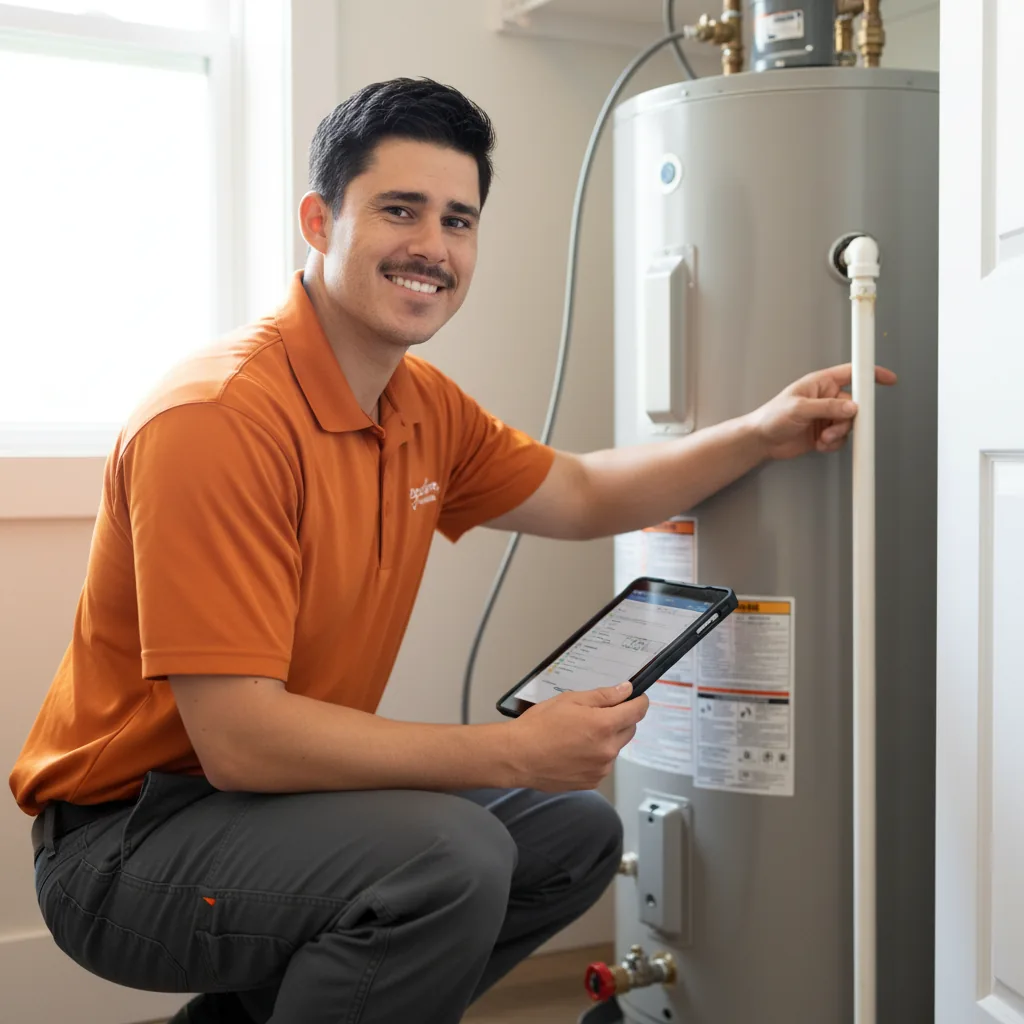
What does a whole-home plumbing inspection typically cost in Las Vegas in 2026?
For 2026, a good starting point for whole-home plumbing inspection pricing in Las Vegas comes from national data. Angi reports that dedicated plumbing inspections generally run from about $195 to $825, with simpler checks at the lower end and more detailed or specialized inspections at the higher end. That range reflects different home sizes, regional labor rates and inspection depth. Las Vegas is not an outlier on labor costs, so most whole-home plumbing inspections in the valley will fall somewhere inside that national range, with smaller condos near the low end and larger single family homes closer to the middle or upper portion.
What really matters for your budget is understanding what you are buying at each price point. A quick, limited inspection that only looks at fixtures and obvious leaks will usually cost less but can miss key risk areas like pressure problems or aging supply lines in a slab-on-grade home. A more comprehensive whole-home plumbing inspection that checks water pressure, supply material, drains, water heater condition and visible safety issues will take more time and usually land closer to the midrange or upper end of that $195-$825 spread. When you call for estimates, ask each provider to describe everything that is included so you can compare apples to apples rather than just chasing the lowest number.
Some homeowners also schedule a whole-home plumbing inspection as part of a pre-listing or pre-purchase process. In those cases, the inspection might be paired with a general home inspection. Angi notes that a complete home inspection often takes about 2-3 hours for a standard house, and that includes reviewing many systems beyond plumbing. Since a standard home inspection is stretched across structure, electrical and HVAC, the plumbing portion is sometimes only a small slice. That is why many buyers choose to add a dedicated plumbing inspection by a licensed plumber when they want a deeper look, even if it means paying a separate fee inside that Angi cost range.
What factors push a Las Vegas plumbing inspection toward the high or low end of the cost range?
Several predictable factors will move a Las Vegas whole-home plumbing inspection toward the bottom, middle or top of the Angi-reported $195-$825 national range. Home size is the first one. A compact townhome with two bathrooms and a single water heater simply takes less time to inspect than a multi-story home with three or four bathrooms, multiple hose bibs, a separate casita line or a pool feed. More fixtures and more piping runs mean more valves to test, more drain branches to check, and more places where corrosion or leaks could begin.
The depth of the inspection also drives cost. FieldScribe’s plumbing inspection checklist points out that a thorough inspection covers supply lines, drainage, water heating equipment, venting and exterior components, along with red flags such as polybutylene piping, incorrect pressure relief discharges or missing air gaps on dishwashers. If you want a detailed write-up that documents all of these elements plus measurements like water pressure and temperature, plan on paying toward the middle or upper end of the range. A quick check that only looks for active leaks around fixtures will land nearer the bottom but will not provide the same peace of mind.
Access and special add-ons matter too. Homes with tight crawlspaces, difficult attic access or locked mechanical areas can take longer to inspect, which can affect cost. If you choose to add a sewer camera inspection to evaluate the main drain line, the overall price can move closer to the top of the Angi range because that involves specialized equipment and additional time. Articles on common home inspection misses point out that buried sewer line problems are often overlooked unless a specific camera inspection is ordered, so this is one of those optional add-ons that can be worth factoring into your budget for older homes or properties with recurring drain issues.
Finally, the purpose of the inspection influences how extensive the work needs to be. A homeowner who wants a quick health check before installing a new water heater or softener might not need as extensive a report as someone who is buying a home and planning to negotiate repairs. If your goal is to use the inspection as documentation for a real estate transaction or for a major renovation, ask for a scope that emphasizes a written, photo-rich report. That usually costs more than a verbal walk through but can save you money or stress later when you are coordinating with contractors or buyers.
- Smaller homes with fewer fixtures tend to cost less to inspect.
- More detailed written reports usually increase the inspection fee.
- Adding a sewer camera inspection raises the overall cost.
- Hard-to-access crawlspaces or attics can add time and labor.
- Older homes or complex plumbing layouts often require longer inspections.
What should a thorough whole-home plumbing inspection include in Las Vegas?
A solid whole-home plumbing inspection in the Las Vegas valley should follow the kind of checklist described by FieldScribe. On the supply side, that means identifying pipe materials, checking for outdated or high-risk piping, and measuring water pressure and simultaneous flow. Excessive pressure or problematic materials can be major drivers of leaks in slab-on-grade construction, so a careful look here is essential. The inspector should also verify that shutoff valves are present and functional, especially at toilets, sinks and major appliances.
Drainage is the next big piece. FieldScribe notes that a complete plumbing inspection should evaluate traps, vents and drain lines for proper configuration and visible deficiencies, such as S-traps, damaged vents or signs of past leakage. While not every inspection will automatically include a sewer camera run, your plumber should at least note whether conditions suggest that a camera inspection would be wise. Eco-focused plumbing content also points out that concealed leaks and sewer issues are often missed in general home inspections that do not put the system under load, which is why a plumbing-only inspection that runs multiple fixtures at once can reveal slow drains or marginal venting.
Your water heater deserves special attention too. Angi’s inspection guide describes typical checks such as age, visible corrosion, temperature settings, pressure relief valve discharge configuration and general safety. FieldScribe adds that inspectors should look at whether the temperature and pressure relief valve is piped correctly and whether expansion control and pressure regulation equipment are present when required. In a city with very hard water, that water heater check is even more important. Scale buildup from Las Vegas’s roughly 16 grains per gallon water, as reported by the Las Vegas Valley Water District, can shorten water heater life if it is not monitored and managed.
Finally, a complete whole-home plumbing inspection will walk fixtures and exterior components. This includes faucets, showers, hose bibs, laundry connections and any visible backflow prevention devices. The inspector should note drips, corrosion, improper air gaps or high loops on dishwashers, and any visible safety concerns. Around the exterior, they should evaluate hose bibs for leaks, check visible irrigation tie-ins and look for water staining or pooling at the foundation that might suggest hidden leaks in a slab or wall. All of these items together give you a clear picture of how your system is holding up and where proactive repairs might save money later.
- Identification of supply line materials and visible condition.
- Measurement of static water pressure and flow under load.
- Inspection of water heater age, safety devices and corrosion.
- Review of traps, vents and drains for improper configurations.
- Check of fixtures, valves and hose bibs for leaks or damage.
Why do Las Vegas water conditions make inspections a smarter value?
Las Vegas has very hard municipal water, which is a big part of why whole-home plumbing inspections are such good value here. The Las Vegas Valley Water District reports average hardness around 280 parts per million, which works out to about 16 grains per gallon. That level is considered very hard. Over time, hard water leaves mineral deposits in supply lines, fixtures and water heaters. The result can be reduced flow, sticking valves, noisy pipes and more stress on tank walls and heating elements. A periodic inspection helps catch those issues while they are still minor.
Hard water also interacts with pressure in ways that matter to your plumbing budget. Scale buildup inside small passages can increase effective pressure at some fixtures even if the house’s main pressure reading looks normal. FieldScribe’s checklist calls out over-pressure without a regulator as a key red flag for inspectors to watch. In the valley’s slab-on-grade homes where pipes are often buried under concrete, excess pressure combined with hard water can increase the risk of slab leaks that are much more expensive to repair than preventive work. An inspection that includes a proper pressure check gives you an early warning instead of a surprise repair bill.
Exterior conditions in Southern Nevada add more context. Caliche-heavy soils and hot summers put extra strain on buried and exposed pipes. Hose bibs, irrigation tie-ins, and any water lines running through hot attics can all show signs of stress or leakage sooner than in milder climates. A whole-home plumbing inspection that includes a look at those exterior and attic components helps you prioritize upgrades before they turn into water damage or landscaping issues. This is particularly helpful if you are planning to comply with local watering schedules or turf removal programs and will be adjusting your irrigation system.
Because of all this, many Las Vegas homeowners treat whole-home plumbing inspections the way they treat AC tune-ups. Even if nothing is obviously wrong, a periodic inspection on a two to four year cycle gives you a snapshot of how your system is aging under hard water and high heat. When you weigh the Angi-reported inspection cost range against the price of a major leak or premature water heater failure, an inspection can be a relatively small investment that improves your odds of avoiding a big, disruptive repair.
How long will a whole-home plumbing inspection take and how should you prepare?
Time is part of the cost equation, so it helps to know what to expect on inspection day. Angi notes that a standard full-home inspection that covers all systems often runs 2-3 hours. A plumbing-only inspection can be shorter if the home is small and access is easy, or it can take a similar amount of time in larger or more complex homes where the plumber is checking every bathroom, kitchen, utility area and exterior fixture. In general, the more thorough and documented the inspection, the more time the plumber will need on-site.
You can help keep the visit efficient by making sure access is clear. That means clearing items away from under sinks, around water heaters, at hose bibs and in front of any access panels. If the inspector will be checking an attic or roof vent terminations, be sure they can safely reach those areas. A good inspection often involves running multiple fixtures at once to observe drainage and pressure under load, which home inspection articles point out is a common step that gets skipped in lighter reviews. Being home during the inspection so you can authorize running appliances and provide access to locked areas is usually a smart move.
Finally, think about what you want to learn from the inspection so you can communicate that at the start. If you are mainly concerned about future resale, say that and ask the plumber to prioritize any items a buyer’s inspector might flag. If you have had recurring issues with low hot water volume, noisy pipes or slow drains, point those out so they receive extra attention. A thoughtful scope conversation at the beginning costs nothing, but it helps align the time on-site with the questions you are really trying to answer about your home.
- Write down your goals for the inspection, such as preparing to sell, checking a recent remodel, or just getting ahead of maintenance in an older Las Vegas home.
- Make a list of any recurring plumbing symptoms, like slow drains, low hot water volume, noisy pipes or random pressure changes, so you can share them with the plumber.
- Gather any existing documentation about your plumbing system, including past repair invoices, age and model of your water heater, and any notes on pipe materials.
- Walk your home and note any visible stains, damp spots, corrosion or musty odors around fixtures, walls and ceilings that might point to hidden leaks.
- Decide whether you want optional add-ons such as a sewer camera inspection, especially if the home is older or has a history of main line backups.
- Ask each plumber for a written description of what their whole-home plumbing inspection includes, so you can compare scope as well as price.
- Confirm that the plumber is licensed, bonded and insured, and that you will receive a clear written or digital report of findings when the inspection is complete.
- Schedule the inspection for a time when you can be home to provide access, answer questions and walk through any recommended repairs or upgrades.
- Move stored items away from water heaters, under-sink areas and plumbing access points to save time and ensure the inspector can reach everything safely.
- Set a realistic budget based on the Angi-reported $195-$825 range and prioritize getting the right scope over simply picking the lowest quote.
Frequently asked questions
- How much does a whole-home plumbing inspection typically cost in Las Vegas in 2026?
- National data from Angi shows plumbing inspection costs usually fall between about $195 and $825, depending on the size of the home and the depth of the inspection. Las Vegas pricing generally tracks that range, with smaller condos near the low end and larger or more complex homes, or inspections that include sewer camera work and detailed reports, closer to the middle or upper part of the range.
- What affects the price of a whole-home plumbing inspection the most?
- The biggest cost drivers are your home’s size, how many fixtures and bathrooms you have, and how thorough the inspection will be. Add-ons like sewer camera inspections, detailed written reports, and extra time spent in hard-to-access areas can all move the price toward the higher end of Angi’s $195-$825 range.
- Is a plumbing inspection really necessary if I already had a home inspection?
- A standard home inspection usually includes only a basic look at plumbing, because the inspector also has to review structure, electrical, HVAC and more in a limited time. Articles on inspection gaps note that concealed leaks, sewer line issues and water heater safety problems are often missed in those quick checks. A dedicated whole-home plumbing inspection by a licensed plumber gives you a deeper look at supply, drains, water heater condition and safety devices.
- How often should I get a whole-home plumbing inspection in Las Vegas?
- There is no one-size schedule in the research, but many Las Vegas homeowners choose a preventive inspection every few years, especially in older homes or properties with hard water wear. The Las Vegas Valley Water District reports very hard water at around 16 grains per gallon, which is tough on pipes and water heaters, so a recurring inspection can catch scale, corrosion and pressure issues before they become expensive repairs.
- What should be included in a professional whole-home plumbing inspection?
- FieldScribe’s checklist shows that a thorough inspection should cover supply lines, drains, vents, water heaters, fixtures and exterior plumbing components. It should include checks for proper pressure regulation, correct temperature and pressure relief valve piping, visible leaks, outdated or risky pipe materials, improper traps or vents, and missing air gaps or backflow protection where required.
- How long will a whole-home plumbing inspection take?
- Angi notes that a full-home inspection of all systems usually runs 2-3 hours for a standard house, and a plumbing-only inspection can be similar in larger homes or shorter in smaller ones. The more detailed and documented the inspection, the more time the plumber will spend on-site testing fixtures, checking pressure and walking through findings with you.
- Does Las Vegas hard water increase my need for plumbing inspections?
- Yes, very hard water in the Las Vegas Valley increases wear on water heaters, fixtures and some piping materials. The Las Vegas Valley Water District reports hardness around 280 parts per million, or about 16 grains per gallon, which promotes mineral scale and can affect pressure and flow over time. Regular whole-home plumbing inspections help spot hard water damage early so you can address it before it leads to leaks or premature equipment failure.
- How can I get a clear, upfront quote for a whole-home plumbing inspection?
- Ask the plumber to explain exactly what their inspection covers, whether it includes a written report, and if any add-ons like sewer camera work are separate line items. At Kingdom Plumbing, we provide upfront flat-rate pricing for a whole-home plumbing inspection so you know the full cost and scope before we start, and we are happy to walk you through what is included when you call.
Talk to Kingdom Plumbing about whole-home plumbing inspection, or call (702) 840-5037. Family-owned, NV Contractors License #0085422, upfront flat-rate pricing.
Kingdom Plumbing is a family-owned, licensed Las Vegas plumber (NV NV Contractors License #0085422) serving the valley since 2018. Questions about how this affects your home? Call (702) 840-5037. Dealing with a burst pipe or flooding right now? Our emergency plumbers in Las Vegas answer 24/7.