
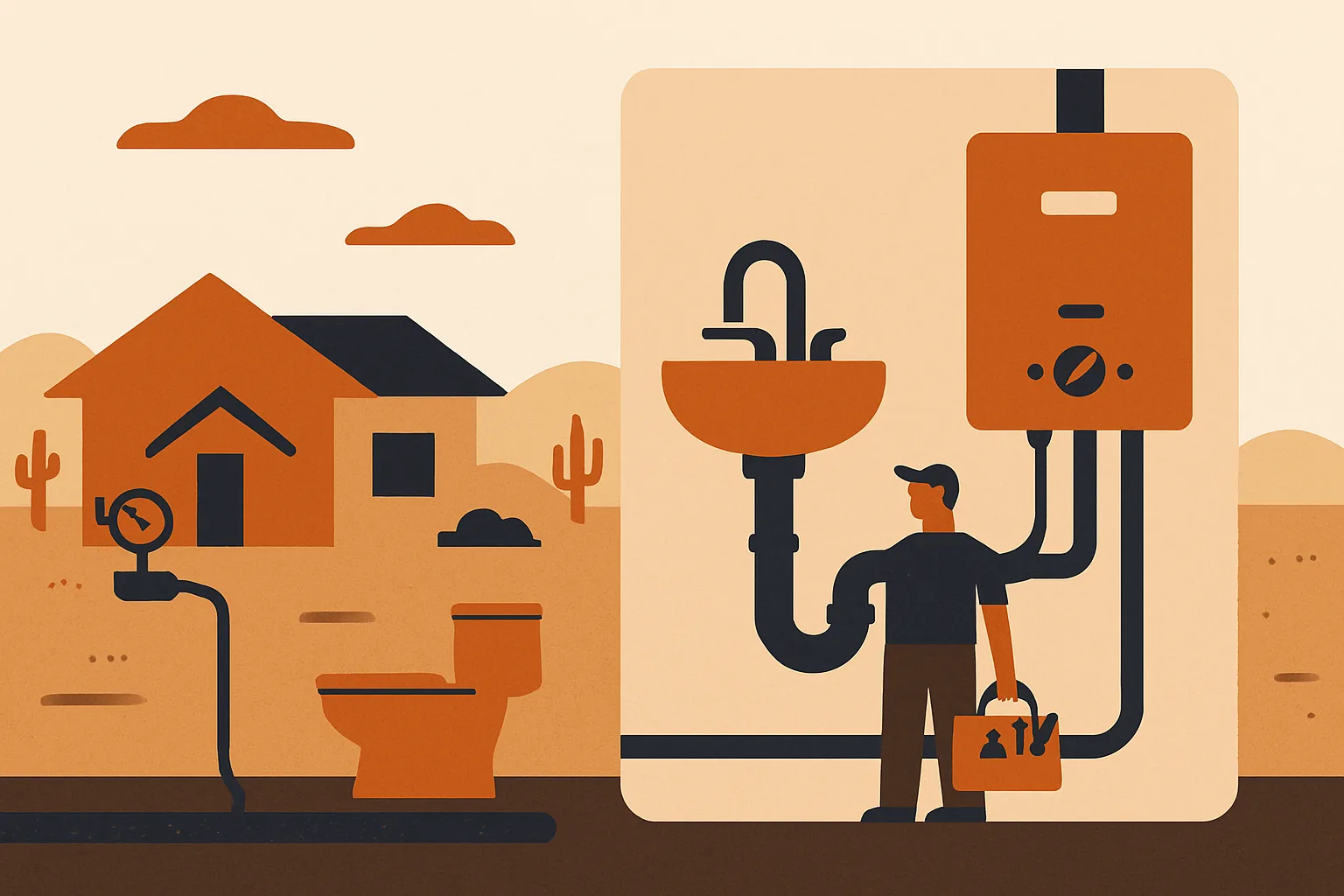
A public hearing is set for August 4, 2026 on up to $515 million in new water system bonds for the Las Vegas Valley. Here is how that long-term investment in pipes and pumps connects to your decision to install or upgrade a tankless water heater at home.
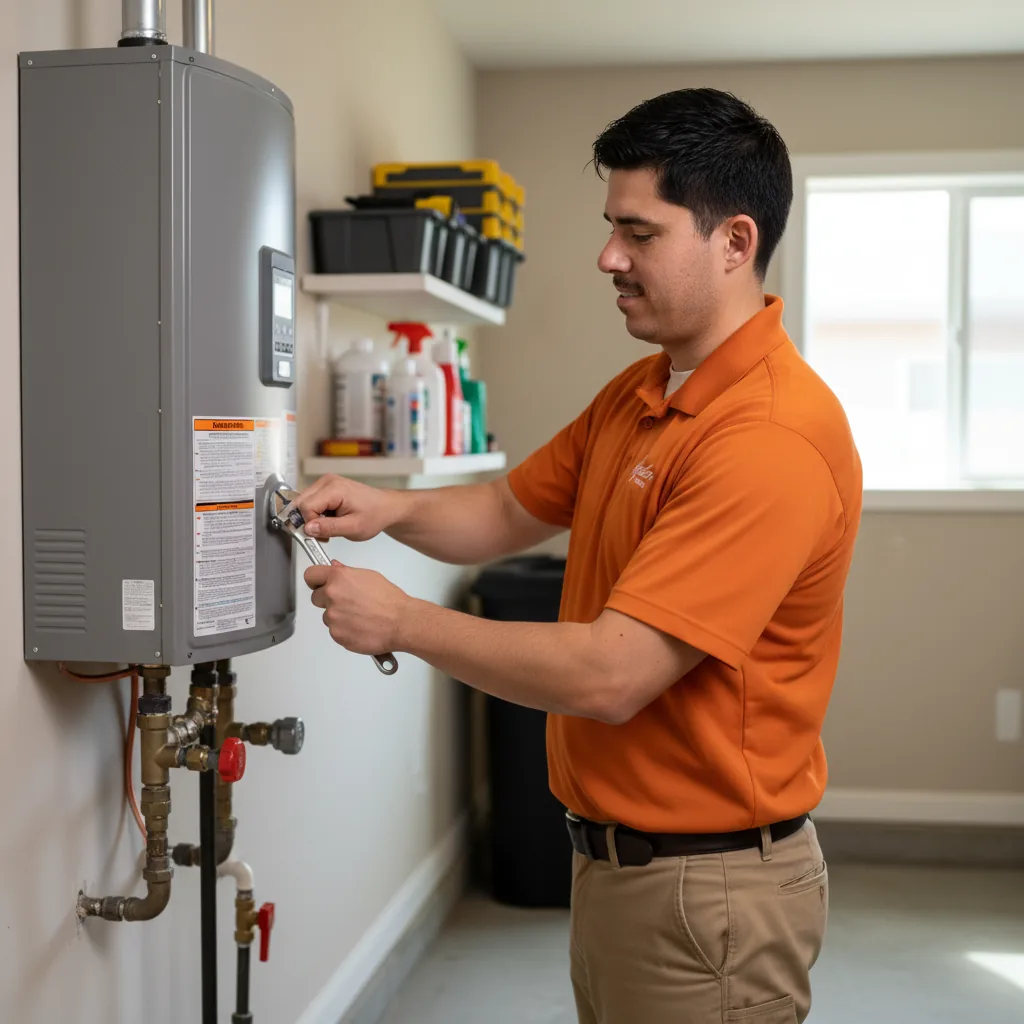
What is happening with the 2026 SNWA-backed water bonds and why should homeowners care?
In mid-July 2026, a legal notice in the Las Vegas Review-Journal announced that the Las Vegas Valley Water District board adopted a resolution to issue general obligation water bonds, additionally secured by Southern Nevada Water Authority revenues, in an amount up to $515 million. The notice also set a public hearing date of August 4, 2026 for residents and stakeholders to comment on the plan. These bonds are aimed at funding capital projects in the regional water system, such as treatment, transmission, and distribution infrastructure that keeps water moving from Lake Mead and other sources to your meter.
On paper, this sounds like a big, upstream finance story that has nothing to do with your water heater. In practice, the way SNWA and the Water District invest in pipes, pumps, and reservoirs shapes how reliable your water supply is and how much pressure and flow you can count on at home. When you are considering a long-lasting upgrade like a tankless water heater, which is designed to stay in service for many years, those regional decisions matter more than most people realize. A tankless unit does not store hot water in a big tank; it heats it on demand, which means it depends heavily on steady water flow, decent pressure, and a predictable supply.
According to the legal notice, these bonds are secured in part by pledged SNWA revenues, which signals that regional water planners expect to continue significant infrastructure spending in the coming years. For a Las Vegas homeowner, one way to read that is that the valley is doubling down on keeping the urban water system resilient even as Lake Mead and Colorado River negotiations make headlines. That long-term planning is a reason to feel more comfortable investing in efficient home systems such as tankless water heaters, provided you design them correctly for the local conditions. If you install a unit that is undersized or not protected from our very hard water, it may not handle the real-world conditions that these big infrastructure projects are trying to manage.
It is also important to recognize that infrastructure borrowing can eventually influence water rates. The legal notice does not spell out future rate changes, but any time a utility takes on hundreds of millions of dollars in new debt, homeowners should think in decades, not months. A tankless water heater typically offers lower standby energy use than a standard tank, so if energy or water costs rise over time, making your hot water system more efficient can help soften the impact. The key is installing the right system for your household and not simply swapping in the cheapest on-demand unit you can find.
- Regional bonds fund the backbone system that delivers water to your home.
- Tankless water heaters depend on steady flow and pressure from that system.
- Long-term investments suggest planners expect continued service reliability.
- Efficient hot water systems can help buffer future utility cost increases.
How could regional water investments affect a tankless water heater in your Las Vegas home?
Tankless water heaters work very differently from traditional storage tanks. Instead of holding 40 or 50 gallons of hot water, they sense demand when you open a tap and instantly heat water as it flows through the unit. This design is very efficient, but it also means the equipment is sensitive to real-time water supply conditions such as flow rate, inlet temperature, and incoming pressure. When the Water District and SNWA invest in transmission lines, pumping stations, and storage facilities using tools like the 2026D water bonds, they are investing in exactly those conditions that make tankless units function smoothly.
If regional infrastructure keeps pressure and flow stable across the valley, a properly sized tankless water heater can deliver consistent hot water in multiple bathrooms and at fixtures that are far from the garage or utility room. If there are pressure drops or flow fluctuations, low-end or undersized tankless units may have trouble keeping up when more than one shower or appliance is running. The point is not that these bonds will magically make tankless heaters perform better, but that they support the backbone that your home system relies on. When a plumber sizes and configures a tankless system, they factor in not only your fixtures but also typical local pressure and supply characteristics.
Las Vegas also has unique challenges, such as very hard water and long plumbing runs in many slab-on-grade homes, particularly in master-planned communities built around cul-de-sacs and large lots. Hard water contributes to scale buildup inside a tankless heat exchanger, which can impair efficiency and shorten the equipment's life if it is not addressed. While regional investments keep water moving to your meter, protecting your tankless system from that hard water is a decision you make at the house level, often with a softener or filtration system and with regular professional descaling. Those are services a licensed plumber can plan at the same time as your tankless installation.
As SNWA and the Water District continue to plan around Lake Mead levels and Colorado River allocations, they may shift operating strategies, storage patterns, and blending of different sources to maintain reliability. You will not see most of that, but you may notice small changes in water pressure or the timing of maintenance shutdowns in your neighborhood. A well-designed tankless water heater setup, with the right gas or electrical capacity and properly sized plumbing, is more resilient to those small variations. That is one reason homeowners who plan to stay in their homes for many years often decide that a professional tankless design is worth the up-front effort.
- Stable system pressure helps tankless units fire consistently.
- Good flow rates allow multiple fixtures to use hot water at once.
- Local hard water still requires in-home treatment and maintenance.
- Proper sizing makes your tankless system more resilient to supply changes.
Why the 2026 bond hearing is a good moment to revisit your hot water strategy
The public hearing scheduled for August 4, 2026 on the proposed SNWA-backed bonds is a reminder that our water system works on very long planning cycles. Utility boards think in decades when they approve major borrowing and construction programs. As a homeowner, it helps to align your big plumbing decisions with that same long view. A tankless water heater is not a quick patch; it is a long-term upgrade that changes how your home uses energy and water for many years. That makes this bond hearing a useful prompt to step back and look at how your current water heater fits into your plans.
If your existing tank water heater is more than a decade old, or if you have had recurring issues with running out of hot water, you are already in the window where serious planning makes sense. Waiting until a tank fails can force you into an emergency replacement with limited options, which is exactly the moment when many homeowners feel pressured into a quick decision. The news of large-scale water infrastructure financing is a signal to consider whether an on-demand system could better match the way your family uses hot water and whether the long-term efficiency gains are worth it for you.
The potential for ongoing capital spending in the regional system also supports the case for investing in fixtures and appliances that use water wisely. Tankless water heaters do not directly reduce total gallons used, but they reduce energy wasted on keeping big tanks hot all day. This aligns well with the conservation ethic promoted by SNWA in its public outreach. For many Las Vegas homes, especially those with teenagers, frequent laundry, or multi-generational households, the ability of a tankless system to provide continuous hot water without a recovery delay can be a big quality of life improvement. Pairing that convenience with better energy performance helps balance the long-term costs of living in a desert city.
Revisiting your hot water strategy now also gives you time to address related upgrades before they become emergencies. For example, a tankless conversion may be the right moment to inspect your gas line sizing, your electrical panel, or the condition of older copper and PEX runs in the attic or slab. Coordinating those checks in a planned project is more efficient than scattering them across years of reactive repairs. A family-owned, licensed plumber who works across the Las Vegas valley every day can walk you through these tradeoffs and help you decide if this is the right year for a tankless changeover or if a like-for-like tank replacement is more appropriate.
How to decide if a tankless water heater makes sense in the Las Vegas valley
Choosing a tankless water heater in Las Vegas is not a yes-or-no decision based on a national brochure. It is a specific calculation that depends on your home layout, how many people live there, your current gas or electrical capacity, and how you feel about up-front cost versus long-term operating savings. The current discussion around regional water bonds and infrastructure gives you context, but the decision at your house still comes down to matching technology to your daily routine. A good starting point is to think through your busiest hour of hot water use. That might be mornings when several showers, the dishwasher, and maybe a washing machine all get used within a short time.
Tankless systems are sized based on flow rate in gallons per minute and the temperature rise they need to provide. In our climate, incoming water is relatively warm in summer and cooler in winter, but not as cold as some northern states. That can work in your favor because the heater does not have to boost the temperature as much as it would elsewhere, which can allow a slightly smaller unit or better performance from a mid-range model. However, the hardness of Las Vegas water and the presence of long or complex plumbing runs can offset some of these advantages and make professional sizing more important.
You should also think about where your existing water heater sits. Many valley homes have the tank in the garage or in a side-yard closet, feeding bathrooms that might be far away. A tankless unit can often be located closer to the main points of use or set up in a way that reduces wait times for hot water. In other homes, the existing gas line will dictate where a tankless system can be installed without major re-piping. An in-person visit from a licensed plumber is the right setting to balance these considerations and to compare tankless and tanked options based on clear, written estimates rather than rough guesses.
Cost is another factor. While the legal notice for the 2026 water bonds discusses principal amounts and security rather than homeowner bills, most people know that utility investments eventually show up in rate structures. Tankless water heaters typically cost more to install than standard tanks, but they often use less energy over time because they do not keep a large volume of water heated when no one is using it. If you plan to stay in your home for many years, that efficiency can help offset both water and energy cost trends. The key is to understand up-front pricing, what is included, and what maintenance will cost over the life of the equipment so you can compare total ownership costs, not just the first invoice.
What to ask a Las Vegas plumber before you commit to a tankless system
Talking through your options with a plumber is where the broader water news meets your specific situation. A good conversation should cover more than just the brand or size of the tankless water heater. It should touch on how your home is plumbed, the hardness of local water, and the way regional conditions like SNWA's long-term infrastructure plans might relate to your decisions. If a plumber is familiar with valley-wide issues, they can help you design a system that is not only code-compliant today but also resilient as the regional water system continues to evolve.
One important topic is water quality and protection of your investment. Las Vegas Valley Water District information notes that our water is very hard, which speeds up scale deposits in tankless heat exchangers. Ask how the plumber plans to manage that. The answer might involve a whole-home softener, a dedicated filter for the water heater, or a scheduled professional descaling service. It is reasonable to expect a clear explanation of what maintenance will be needed and what it will cost over time. That way you are not surprised a few years down the road when the unit needs attention.
You should also ask about system capacity and future changes. Are you thinking about adding a bathroom, a casita, or a backyard kitchen in the next few years, especially as Las Vegas continues to grow and reinvest in its water system through bonds like the 2026D issue? If so, that may influence whether a single tankless unit can handle your needs or whether a multi-unit or recirculation setup makes more sense. A thoughtful plumber will ask about both current and planned uses so that your new system does not feel undersized if your household grows.
Finally, it is worth asking practical questions about installation details: how long the job will take, whether your gas or electrical service needs upgrades, and how the plumber will handle permits and inspections within Clark County or your specific city. Those processes interact with broader utility and water provider planning, especially when gas and power companies coordinate with water agencies on load and infrastructure. Choosing a licensed, bonded, and insured contractor with experience in tankless installations throughout the Las Vegas valley is one of the best ways to keep the project smooth and predictable.
- undefined
- undefined
- undefined
- undefined
- undefined
- undefined
- undefined
- undefined
Frequently asked questions
- What is the 2026D water bond hearing and how does it relate to my water heater?
- The 2026D water bond hearing on August 4, 2026 is a public meeting where the Las Vegas Valley Water District board will consider issuing up to $515 million in bonds for water infrastructure, secured in part by SNWA revenues, as described in a Review-Journal legal notice. These funds help maintain and upgrade the regional system that delivers water to your home. While the hearing is not about water heaters, the reliability and pressure that your tankless water heater depends on are influenced by this kind of long-term utility investment.
- Does the new SNWA-backed bond mean my Las Vegas home is at risk of losing water?
- The legal notice about the 2026D bonds does not describe any planned shutoffs or loss of service, it describes financing for infrastructure improvements. According to the notice, the bonds would support the water system that supplies the valley. For homeowners, this is a sign that planners are focused on keeping the system reliable, which supports long-lived equipment such as tankless water heaters, rather than a signal that your home is about to lose water.
- Should I wait for the bond hearing before installing a tankless water heater in Las Vegas?
- You do not need to wait for the August 4, 2026 hearing to install a tankless water heater, since the hearing is about regional financing, not individual home connections. If your existing heater is aging or unreliable, it is reasonable to plan a replacement on your own timeline. A licensed plumber can design a tankless system based on current water pressure and supply conditions, which are already shaped by ongoing SNWA and Water District projects.
- Is a tankless water heater a good idea with Las Vegas hard water?
- A tankless water heater can work very well in Las Vegas, but hard water makes maintenance and water treatment more important. The Las Vegas Valley's very hard water tends to create scale, which can build up inside a tankless heat exchanger and reduce efficiency if it is not controlled. When you plan a tankless installation, ask your plumber about softening, filtration, and routine descaling so the system is protected for the long term.
- How does a tankless water heater handle low water pressure or flow changes?
- Tankless water heaters have minimum flow and pressure requirements to turn on and stay running, so they are sensitive to very low flow conditions. Regional infrastructure investments, like those supported by the proposed 2026 water bonds, aim to keep system pressure and flow stable, which helps tankless units work properly. At the home level, your plumber can also size the unit correctly, design the piping, and adjust settings so it performs reliably under typical Las Vegas conditions.
- What should I ask a plumber before switching from a tank to a tankless water heater?
- Ask about system sizing based on your busiest hour of use, any gas or electrical upgrades needed, and how your home's plumbing layout will affect performance. You should also ask how they plan to protect the tankless unit from Las Vegas hard water and what maintenance will cost. Finally, request a clear, written estimate and timeline for the work so you know how long you will be without hot water during the installation.
Talk to Kingdom Plumbing about tankless water heaters, or call (702) 840-5037. Family-owned, NV Contractors License #0085422, upfront flat-rate pricing.
Kingdom Plumbing is a family-owned, licensed Las Vegas plumber (NV NV Contractors License #0085422) serving the valley since 2018. Questions about how this affects your home? Call (702) 840-5037. Dealing with a burst pipe or flooding right now? Our emergency plumbers in Las Vegas answer 24/7.
More Updates
- The best ways to plan commercial plumbing in a Las Vegas home, ranked
- Nevada’s new heat mitigation law AB 96: does a Las Vegas homeowner need to act?
- July 2026 Colorado River Record Lows: The Plumbing It Stresses And What To Do Before More Heat
- September 2026 Lake Mead shortage tier: what it means for a Las Vegas home's water