Lake Mead is sitting around 1,039 feet in mid-September 2026, keeping Southern Nevada in a formal Colorado River shortage tier. Here is what that means at the tap today, why SNWA is pushing conservation, and when hydro jetting your drains actually helps protect your home and our shared water supply.
What Lake Mead's September 2026 shortage tier status actually means at your tap
On September 14, 2026, analysis based on federal Colorado River rules shows Lake Mead sitting at about 1,038.78 feet of elevation. ReservoirBench reports that this level is below the 1,075 foot threshold that triggers shortage conditions but still around 11 to 13 feet above the next deeper shortage tiers. In practice, that keeps the Lower Basin, including Nevada, in what is often called the first or initial shortage tier for the 2026 calendar year.
For a Las Vegas homeowner, that can sound abstract. You are not seeing the faucet sputter or the shower slow down because Lake Mead dropped a few more inches. Indoor water in the valley remains pressurized, treated, and safe, because the Southern Nevada Water Authority plans years ahead and adjusts how much water our community takes from the Colorado River. Where you feel the shortage most directly is in the rules that surround you, especially the seasonal watering schedules, turf removal incentives, and water waste enforcement that tighten whenever Lake Mead is low.
The key point is that indoor water use is largely recycled. SNWA has said for years that most water sent down showers, sinks, and drains is treated and returned to Lake Mead for credit, while outdoor water is largely single use. That is why you hear so much about lawns and sprinklers when shortage tiers are in the news. Still, your indoor plumbing choices matter, because a poorly maintained drain or clogged sewer line can turn into leaks, overflows, or damage that wastes water, affects your bill, and creates a sanitation risk inside your home.
Hydro jetting sits in the middle of that conversation. It is not a conservation device in the way a low flow showerhead is, but it does support efficient, problem free indoor water use. When sewer lines are clear, your fixtures drain properly, appliances work as designed, and you are less likely to face an emergency where water has to be shut off to part of the house. In a valley that depends on every gallon being reused, anything that keeps indoor water moving through the system instead of onto floors or into your slab is part of the bigger picture.
How Colorado River shortage tiers shape SNWA rules and your day to day water use
The shortage tier Lake Mead is in is not just a label. It is part of the 2007 Interim Guidelines and later Drought Contingency Plan that tell states like Nevada, Arizona, and California how much Colorado River water they can divert at different reservoir levels. At the current elevation reported around September 13, 2026, the system stays in the first shortage tier, which keeps Nevada on an already reduced allocation compared with historic use.
SNWA responds to that reality by pulling on the levers it controls locally. According to recent coverage from Fox5Vegas and News3LV, early September brought the usual fall watering restrictions back into force. From September 1 through October 31, 2026, most valley homes are limited to watering landscapes three days per week, and watering on Sundays is not allowed. The same reports highlight that drip irrigation for trees and shrubs typically needs even fewer days, and that overspray onto sidewalks and streets can lead to water waste fees.
These rules exist because outdoor use is where the biggest, least recoverable water losses happen. A sprinkler that runs in the middle of a hot afternoon can send a lot of water into the air or onto pavement instead of into the soil. By contrast, your shower water goes down a drain, into a sewer line, and to a treatment plant where it can be cleaned and sent back to Lake Mead for credit. That is why SNWA often stresses that indoor water use is not the main target for conservation, as long as it stays within reason and your plumbing is functioning correctly.
From a homeowner's perspective, the shortage tier and resulting rules ask you to be a better steward both outside and inside. Outside, that may mean adjusting irrigation controllers and looking into turf conversion rebates. Inside, it means making sure your plumbing system is not silently undoing those savings. A partially plugged main line, for example, can cause toilets to require multiple flushes or force you to run extra water to clear sinks and tubs. Hydro jetting is one of the professional tools that can reset a badly fouled drain system so that normal water use is enough to move waste through cleanly.
Tying your behavior to the news can make this feel more manageable. When you hear that Lake Mead is still in a shortage tier but has a small buffer before deeper cuts, that is the moment to lock in efficient habits. Follow the assigned watering days, watch for overspray, and schedule needed plumbing maintenance before a small clog stress tests your drains during holiday company or back to school routines. The shortage tier does not mean panic in your kitchen, but it does mean the region is counting on homes like yours to use the water we have wisely.
- Follow your assigned SNWA watering days and avoid Sunday irrigation.
- Fix sprinkler overspray so water is not hitting sidewalks or streets.
- Check that toilets and faucets are not running longer than needed.
- Plan drain and sewer maintenance before heavy household use periods.
- Keep records of water use so sudden jumps can be investigated quickly.
Why clear drains and sewers matter more when Lake Mead is under pressure
When Lake Mead is low enough to trigger shortage rules, every part of the indoor water cycle in Southern Nevada becomes more important. That includes what happens after you use water. If drains are sluggish or partially blocked with grease, food waste, or scale from our very hard valley water, fixtures do not empty properly. You might find yourself letting a faucet run longer to get standing water moving or flushing twice to clear a bowl. Over time, that behavior adds up to gallons that deliver no benefit and can show up on your bill.
Clogged or undersized sewer lines also raise the risk of backups. In a slab-on-grade city like Las Vegas, a backed up line can mean wastewater coming up through floor drains, tubs, or lower level toilets. Cleaning that up can require significant water use for decontamination, not to mention the disruption of having portions of the home off limits while work is done. While that is a health and comfort issue first, it also sits uncomfortably in a region that publicizes outdoor fines and watering limits to protect the Colorado River supply.
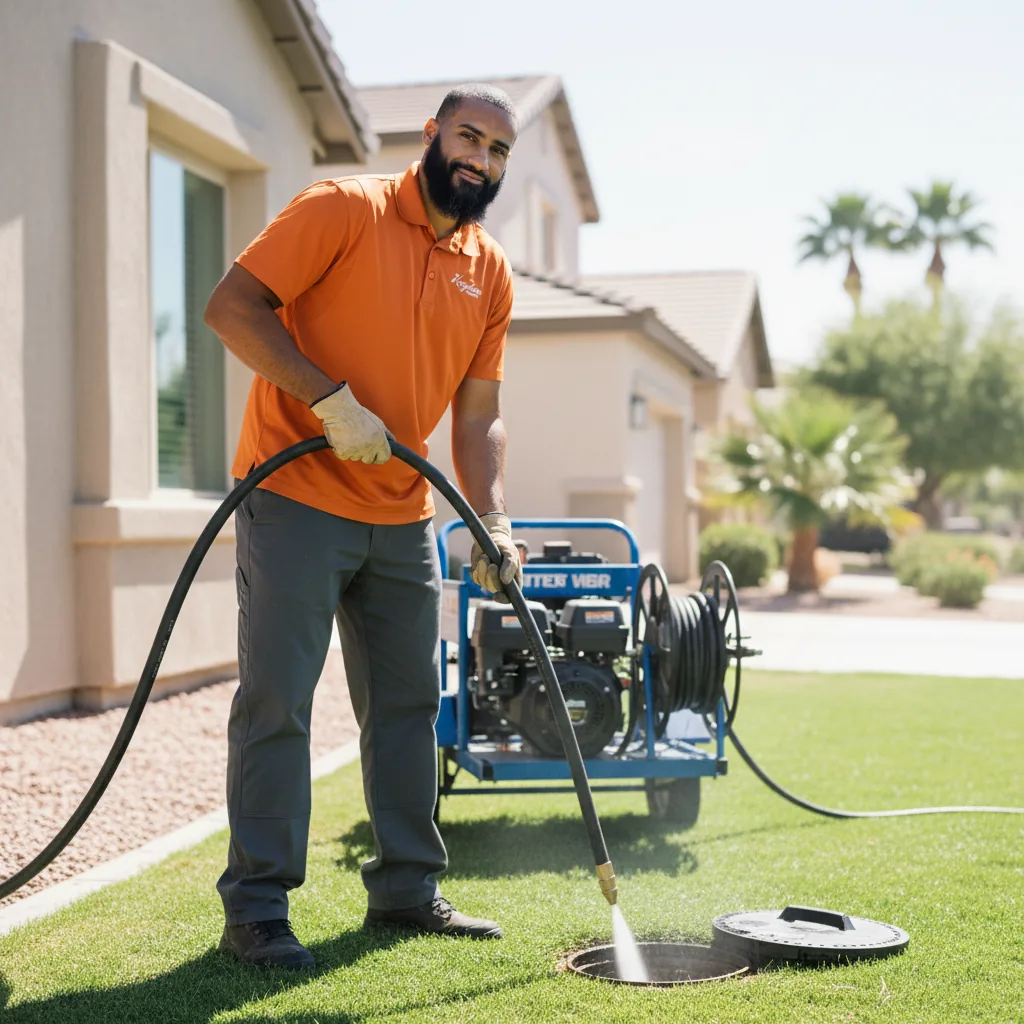
Hydro jetting addresses this by using high pressure water to scour the inside of your drain and sewer lines. For a long horizontal run from your home to the street, traditional snaking might poke a hole through a clog but leave a lot of residue on the pipe walls. That residue can quickly catch new debris and recreate the blockage. Hydro jetting, when used by a licensed plumber with the right training, can flush out built up grease, soap, and scale so the pipe interior is much closer to its original capacity. That helps every gallon you send down a fixture do its job the first time.
From a conservation standpoint, this is not about using high pressure water for its own sake. It is about choosing a maintenance method that prevents repeat visits, reduces the need for harsh chemical cleaners, and allows you to use normal indoor water volumes instead of compensating for underperforming drains. When Lake Mead's shortage status is part of the nightly news, pairing SNWA's outdoor focus with smart indoor plumbing care lets you know you are doing your part without sacrificing comfort or sanitation.
This is particularly important in older parts of the valley or in homes that have seen heavy kitchen use, frequent guests, or past drain issues. If you have had to call for emergency clog clearing more than once in recent years, that is a sign that buildup is likely present throughout the line. Hydro jetting can be a more thorough reset compared to another quick snake, and for many homeowners it becomes part of a long term strategy to keep water and waste moving smoothly in a community that pays attention to every foot of Lake Mead.
- Sluggish tubs and sinks are early signs of drain buildup.
- Repeated clogs in the same line suggest deeper sewer issues.
- Hydro jetting cleans the full pipe wall, not just a small opening.
- Clear lines reduce the need for multiple flushes or long faucet runs.
- Professional jetting can lower the risk of messy indoor backups.
When a Las Vegas homeowner should choose hydro jetting in a shortage era
Not every clog needs hydro jetting. Sometimes a single fixture issue that started suddenly is best handled with targeted snaking and a discussion about what went down that drain. But when you look at the broader context of Lake Mead's shortage tier and the push for efficient indoor systems, there are clear situations where hydro jetting is the better tool. The most obvious is a home with chronic main line clogs, especially where grease, soap scum, or mineral scale from hard water are known contributors.
If your sewer line has never been fully cleaned and your home is more than a decade old, you may be running all your sinks, tubs, and toilets through narrowed passages without realizing it. You notice small clues, like gurgling sounds, slow draining after showers, or the need to plunge toilets more often than you would expect. In a shortage environment, that is exactly the kind of hidden inefficiency that deserves attention. Hydro jetting can restore more of the pipe's original carrying capacity so each use of water moves waste efficiently instead of lingering in the system.
Homes that have undergone recent kitchen or bathroom remodels are another case. New fixtures can use water more efficiently, but if the existing drain piping has years of build up, you might not actually see the benefit. A professional plumber can camera inspect the line and, if it makes sense, recommend hydro jetting before those new fixtures are put into heavy rotation. That alignment between modern fixtures and clean drain lines is part of treating your home's plumbing as a whole system rather than separate parts.
Seasonal timing is worth thinking through as well. The fall watering schedule in Southern Nevada, reported as three assigned days per week through October, reminds you that the community is adjusting for cooler months. Indoors, fall and winter are when many families gather for holidays, which puts extra demand on kitchens and bathrooms. Scheduling hydro jetting ahead of that rush makes sense if you already suspect marginal drain performance. It is much easier to plan a daytime service visit than to scramble during a holiday backup.
In every case, a licensed plumber should help you weigh the pros and cons. Hydro jetting requires the right equipment, training, and pressure settings to protect your piping. A professional will consider the age and material of your lines, any existing damage, and whether there are structural issues that need repair in addition to cleaning. The presence of Lake Mead shortage news in the background does not automatically mean you must jet your lines, but it is a good prompt to ask whether your drains are helping or hindering your household's water efficiency.
How to talk with a plumber about hydro jetting when you are also watching Lake Mead
Hearing that Lake Mead sits just over a deeper shortage threshold can make you more mindful of every water use decision. When you call a plumber about slow drains or repeat clogs, it is reasonable to ask how their recommendations fit with that bigger picture. A straightforward conversation should cover what is causing your issues, whether hydro jetting is the right first step, and how often, if at all, they expect you would need that level of service over the life of your home.
Start by describing specific symptoms rather than asking for a particular service. Share how many fixtures are affected, how often clogs occur, and any recent changes, like new appliances or more people in the home. A good plumber will propose an inspection, often with a camera, before committing to hydro jetting. That inspection respects both your budget and the reality that water is a shared regional resource coming from a stressed Lake Mead. It helps avoid unnecessary work that uses water and your time without solving the underlying issue.
You can also ask how hydro jetting compares to other options in your situation. In some cases, a targeted auger or sectional cleaning focused on a specific branch line is more appropriate. In others, especially where grease and sludge dominate, the high pressure cleaning of hydro jetting is more effective and may reduce the total number of service visits you need. Fewer visits can mean less disruption to your household water use and less chance of an emergency backup that forces you to shut off supply unexpectedly.
Finally, remember that your role does not end when the plumber leaves. Daily habits like scraping food waste into the trash instead of the sink, avoiding flushing wipes or hygiene products, and watching for early signs of slow draining all extend the benefits of professional work. In a valley that depends on recycling indoor water back to Lake Mead, care at both the homeowner and professional levels keeps the system resilient. When you combine SNWA outdoor rules with smart indoor maintenance choices like hydro jetting when it is truly needed, you are doing your part without losing the convenience you expect from modern plumbing.
Kingdom Plumbing is a family-owned, licensed, bonded, and insured plumber serving the Las Vegas valley since 2018 under Nevada Contractors License 0085422. If you want a second opinion on whether hydro jetting is right for your home while Lake Mead remains in shortage conditions, our team is available 24/7 with upfront flat rate pricing that you approve before work starts and a 100 percent satisfaction guarantee. We are always happy to walk you through what we see in your drains, what options you have, and how each path fits into your long term water use and budget.
- undefined
- undefined
- undefined
- undefined
- undefined
- undefined
- undefined
- undefined
- undefined
Frequently asked questions
- Is my Las Vegas tap water safe to use while Lake Mead is in a shortage tier?
- Yes. The current Colorado River shortage tier affects how much water Southern Nevada can use overall, not the safety of treated indoor water. SNWA and local utilities continue to treat and deliver water that meets health standards, and most indoor water is recycled back to Lake Mead after treatment.
- How does Lake Mead's level around 1,039 feet affect my home water pressure?
- Lake Mead's elevation, reported at about 1,038.78 feet in mid September 2026 by ReservoirBench, does not directly control your home's water pressure. Pressure is managed by local water providers through pumps, tanks, and distribution systems. Any sudden pressure change at home is more likely due to local infrastructure or plumbing issues and should be checked by a plumber.
- Why are fall watering restrictions strict if indoor water is mostly recycled?
- Local news reports on SNWA's fall rules explain that outdoor water is largely single use, especially when it runs off into streets or evaporates in our dry climate. Indoor water from sinks and showers is collected, treated, and credited back to Lake Mead, so conservation efforts focus on lawns, sprinklers, and outdoor leaks where the biggest unrecoverable losses occur.
- Can hydro jetting help my home conserve water during Colorado River shortages?
- Hydro jetting itself does not directly reduce your water bill the way a low flow toilet might, but it supports efficient use of the water you do use. Clear lines mean toilets flush properly the first time and sinks and tubs drain without repeated running, which prevents wasted water and reduces the chance of messy backups that require intensive clean up.
- How often should I hydro jet my sewer line in Las Vegas?
- There is no single schedule for every home. Many households only need hydro jetting when there is a defined buildup problem, such as repeated grease clogs or heavy scale. A plumber can inspect your line and suggest whether a one time deep cleaning is sufficient or whether periodic jetting makes sense based on your usage, pipe material, and history of blockages.
- Is hydro jetting safe for older sewer pipes in the Las Vegas valley?
- Hydro jetting can be safe for older pipes when performed by a licensed plumber who adjusts pressure and technique for your specific system. Before jetting, a camera inspection is usually recommended to identify cracks, breaks, or sagging sections. If serious structural damage is found, repairs or replacement may be needed in addition to or instead of jet cleaning.
- Should I wait for deeper Colorado River cuts before upgrading my plumbing or doing hydro jetting?
- Waiting for more severe shortage tiers is not necessary and can backfire if a small drain issue turns into a major backup. Lake Mead is already below the non shortage threshold, so it makes sense to keep your indoor system efficient now. Addressing plumbing maintenance early usually costs less and supports reliable indoor water use as regional rules continue to evolve.
- Who can I call in Las Vegas to evaluate if I need hydro jetting during the current shortage tier?
- You should contact a licensed, bonded, and insured local plumbing contractor who regularly handles drain and sewer work. Kingdom Plumbing offers hydro jetting services across the Las Vegas valley with upfront flat rate pricing and can be reached at (702) 840-5037 to inspect your lines and explain whether jetting is the right solution for your home.
Talk to Kingdom Plumbing about hydro jetting, or call (702) 840-5037. Family-owned, NV Contractors License #0085422, upfront flat-rate pricing.
Kingdom Plumbing is a family-owned, licensed Las Vegas plumber (NV NV Contractors License #0085422) serving the valley since 2018. Questions about how this affects your home? Call (702) 840-5037. Dealing with a burst pipe or flooding right now? Our emergency plumbers in Las Vegas answer 24/7.