If your water heater has started popping, rumbling, ticking, or screeching, it is trying to tell you something. In Las Vegas, the most common cause is sediment, and the culprit behind that sediment is our famously hard water. A noisy tank is rarely an emergency on its own, and the most common fix is straightforward. But the sound is worth understanding, because it can also be an early warning that the unit is wearing out.
Key Takeaways
Popping and rumbling almost always mean hard-water sediment has built up in the bottom of the tank, and flushing the tank usually quiets it. Ticking is often just pipes expanding and is normally harmless, while a screech points to a restricted valve. If flushing does not help, or you notice rusty water or moisture around the base of the tank, the noise may be telling you it is time to replace the water heater.
Why Las Vegas Water Heaters Get Noisy
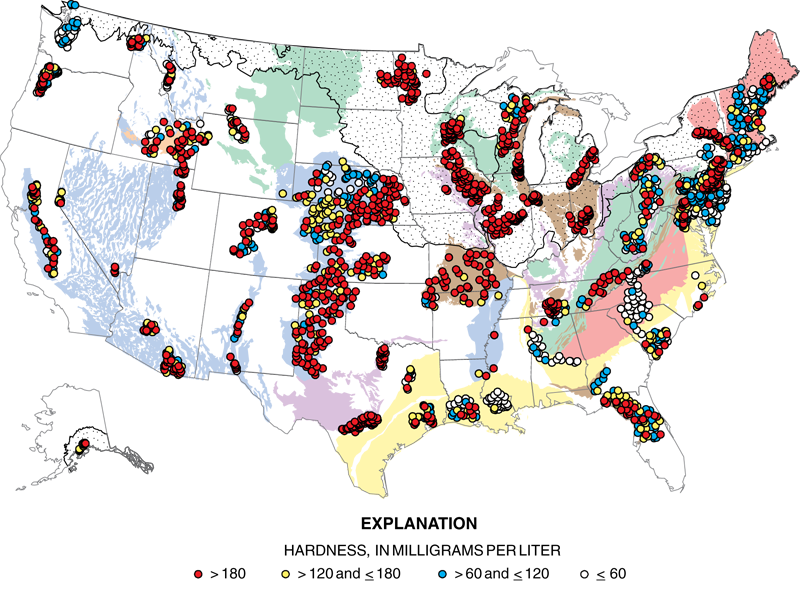
Las Vegas draws its water from the Colorado River and Lake Mead, which is among the hardest municipal water in the country. Hard water is loaded with dissolved minerals like calcium and magnesium. You cannot see them in a glass of water, but your water heater feels every bit of them.
When that water is heated, the minerals fall out and settle at the bottom of the tank as a gritty layer of sediment. In most of the country this happens slowly. In the Las Vegas Valley it happens fast, which is why so many local homeowners hear their water heater long before it ever fails.
Popping and Rumbling: The Sound of Sediment
Popping and rumbling are by far the most common water heater noises in Las Vegas, and they almost always come from the same place: a layer of hardened sediment sitting on the bottom of the tank. Here is what is happening. As sediment builds up, it traps a thin layer of water against the bottom of the tank, right above the burner. When the burner fires, that trapped water overheats and flashes to steam, and the steam bubbles force their way up through the sediment. That violent little escape is the popping you hear, and as the heavy layer shifts you get a deeper rumbling or gurgling.
The sound itself will not hurt you, but it is a warning. That sediment acts like a blanket between the burner and the water, so your heater has to run longer and hotter to make the same hot shower. That wastes energy, pushes up your bill, and puts extra stress on the tank, which can shorten how long it lasts.
Other Sounds Your Water Heater Makes
Not every noise is sediment. Here are the other sounds homeowners ask us about and what usually causes each one.
- Ticking or tapping: usually just metal pipes and fittings expanding and contracting as hot water moves through them, or the heat-trap fittings on the water lines. This is one of the most common sounds and is almost always harmless.
- Screeching or whistling: often means water is being forced through a valve that is not fully open, such as the cold water inlet or the temperature and pressure relief valve. Check that the valves are open all the way, and if the screech continues, have it looked at, because that safety valve matters.
- Crackling or sizzling: on an electric heater this often means sediment has collected on the lower heating element, or that condensation is dripping onto it. A flush usually helps, but persistent sizzling is worth a professional look.
- Banging or hammering: a loud bang the moment you shut off a faucet is usually not the heater at all. It is water hammer, a pressure shock in the pipes, and it is a plumbing fix rather than a tank problem.
The Fix: Flush It, and Know When to Replace
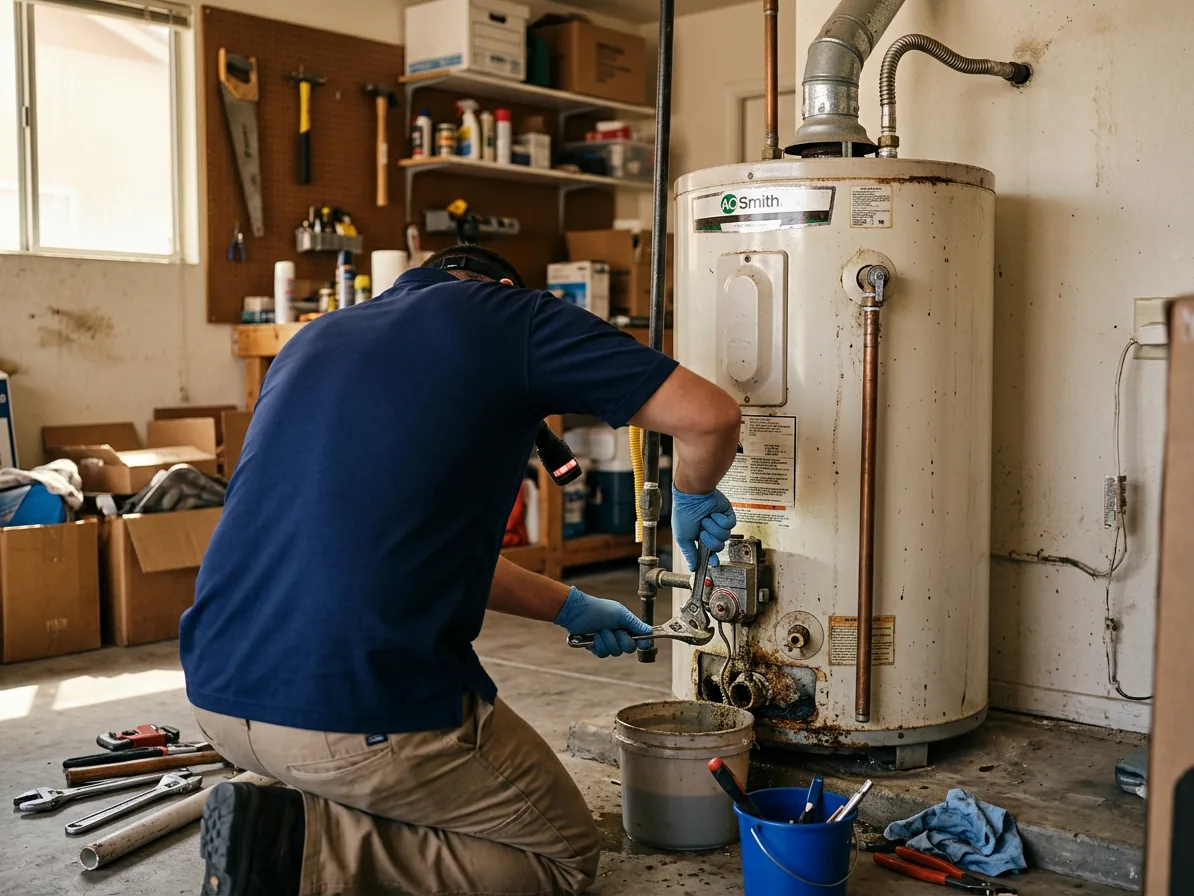
For the popping and rumbling that hard water causes, the answer is almost always to flush the tank and clear out the sediment. Flushing drains the water and washes the mineral grit out through the drain valve at the bottom of the heater, which usually quiets the noise and brings back some of the efficiency the sediment stole.
Because our water is so hard, most Las Vegas homes do best flushing the tank about once a year, and some do it twice. A careful homeowner can handle a routine flush by shutting off the power or gas, letting the water cool first so you are not draining a tank full of near-boiling water, connecting a hose to the drain valve, and then draining the tank. Mind the hot water the whole time, always follow your unit's manual, and stop if anything seems off.
There is one catch. If a heater has gone years without a flush, the sediment can harden into a crust that a simple flush will not fully clear, and draining an old tank can even reveal a leak the buildup was holding back. If the noise does not stop after a flush, or you would rather not drain the tank yourself, our water heater repair team can flush it, check the parts that wear out, and give you an honest answer on whether the unit is worth keeping.
Sometimes the noise is the last warning before a water heater gives out. A few signs point toward replacement instead of another repair:
- The rumbling continues even after a proper flush, which usually means the sediment has hardened and cannot be cleared.
- The hot water looks rusty or discolored, a sign the tank is corroding from the inside.
- There is moisture, dripping, or rust around the base of the tank, which often means the tank itself is failing.
- The unit is old and has never been maintained, so more repairs are likely on the way.
Stop the Noise Before It Starts
Since hard-water sediment is the root of most water heater noise in Las Vegas, the best long-term fix is to keep those minerals out of the tank in the first place. A whole-home water softener removes the calcium and magnesium before the water ever reaches your heater, which protects the tank and every other appliance in the house. Pair that with a yearly flush and a quick annual check, and your water heater can run quietly for years.
Whether you need a tank flushed, a strange noise diagnosed, or an honest opinion on repair versus replacement, Kingdom Plumbing is here 24 hours a day with a real person on the phone and a flat-rate quote you approve before any work begins. Call (702) 840-5037 and we will get your hot water running quietly again.
Frequently Asked Questions
Is a noisy water heater dangerous?
Will flushing my water heater stop the popping noise?
Why is my water heater so loud in Las Vegas?
Should I repair or replace a noisy water heater?
Have a plumbing question or a problem right now?
Call (702) 840-5037Burst pipe or flooding that can't wait? Our 24/7 emergency plumbers in Las Vegas dispatch around the clock.