A slab leak is a water line that has sprung a leak underneath your home's concrete foundation. Because the pipe is buried in or below the slab, the water has nowhere obvious to go, so it can run for days or weeks before you ever see a puddle. That is what makes slab leaks so costly. The good news is that your house almost always drops hints first. If you know the warning signs, you can catch a slab leak early, before it soaks your flooring, spikes your bill, or undermines the concrete your home sits on.
Key Takeaways
• A slab leak is a pipe leaking under your concrete foundation, and it can stay hidden for weeks.
• Watch for warm spots on the floor, a water bill that jumps, running-water sounds, and new cracks.
• Las Vegas is hard on pipes: some of the hardest tap water in the country plus shifting desert soil.
• Don't guess and start breaking concrete. Electronic leak detection pinpoints the exact spot first.
• Kingdom Plumbing answers 24/7 with a flat-rate quote you approve before any work starts.
What Is a Slab Leak?
Most Las Vegas homes are built on a concrete slab foundation, with water and drain lines running through or beneath that slab. A slab leak happens when one of those hidden pipes cracks, corrodes, or wears a pinhole and starts leaking into the ground under your floors. It can be a fresh-water supply line under pressure, which loses water fast, or a drain line, which leaks more slowly. Either way, the leak is trapped under solid concrete, so the first signs you notice are usually indirect, like heat, sound, moisture, or movement, rather than water you can actually see.
Slab Leak Warning Signs to Watch For
Warm or hot spots on the floor
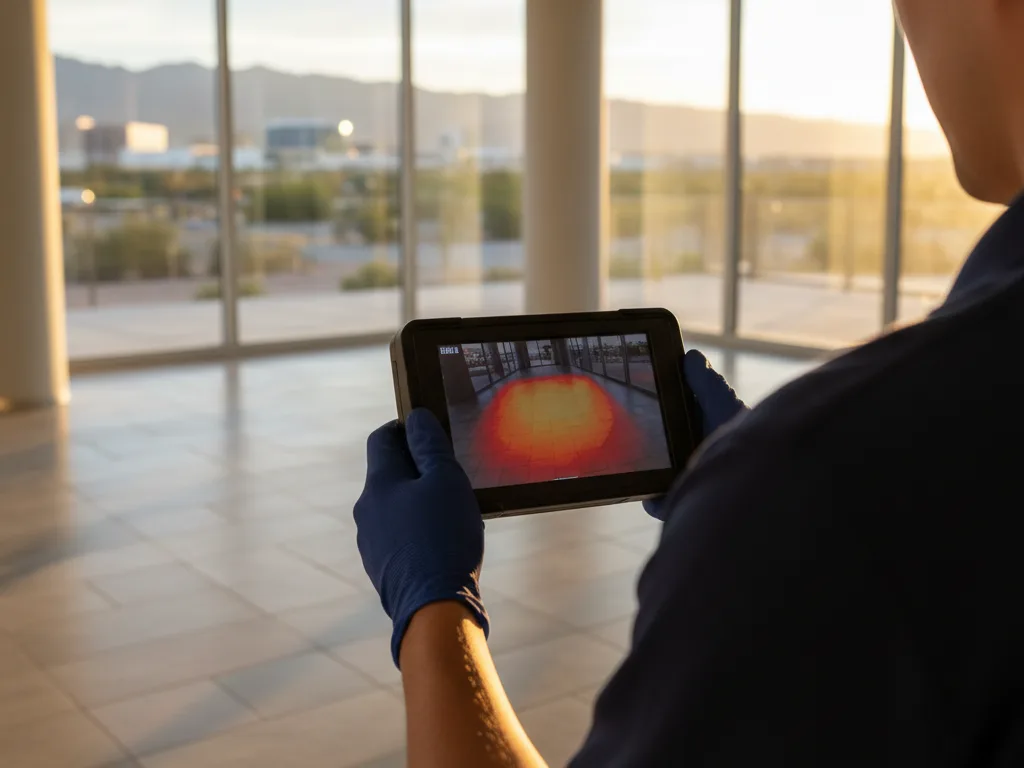
If part of your floor feels warm or even hot underfoot for no reason, especially on tile, that can mean a hot-water line is leaking under the slab. The escaping hot water heats the concrete above it. Pets often give this one away, so you may notice a dog or cat suddenly favoring one warm patch of floor. A cold, damp spot on the floor can point the other way, toward a leaking cold-water line.
A water bill that jumps for no reason
A slab leak wastes water around the clock, so one of the clearest signs is a water bill that climbs when your habits have not changed. If nobody added a pool, a garden, or house guests and the bill still went up, water is going somewhere you cannot see. You can spot-check this yourself: turn off every faucet and water-using appliance, then look at your water meter. If the dial is still moving with everything off, water is running somewhere inside or under your home.
The sound of running water when everything is off
Stand in a quiet room with the water shut off and just listen. A faint hiss, trickle, or rushing sound coming from the floor or the walls is a common slab-leak clue. Under pressure, a supply-line pinhole can whistle or hiss even when no fixture is open. If you hear water moving through your home and nothing is turned on, that sound is worth taking seriously rather than tuning out.
Cracks, moisture, and pressure changes
As water pools under the slab, the ground can swell and shift, and the concrete can move with it. That shows up as new cracks in floors, walls, or the foundation, or as tile that lifts and grout that separates. Other signs travel through the house too: flooring that feels damp, warped, or discolored; a musty or mildew smell from moisture with nowhere to dry; mold along the baseboards; and a drop in water pressure as the leak steals flow from your fixtures. Any one of these alone might be nothing. Several of them together point toward a leak under your slab.
Why Slabs Leak in Las Vegas
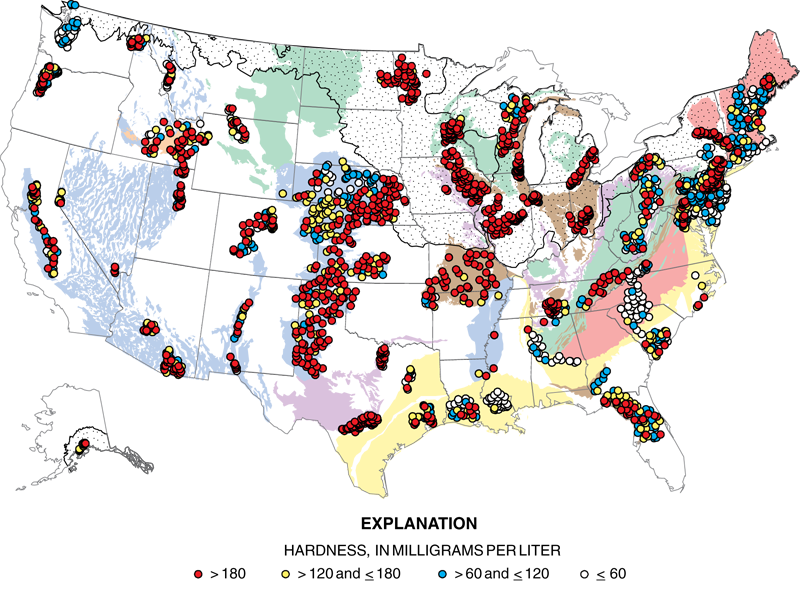
Las Vegas draws its tap water from the Colorado River and Lake Mead, and it is among the hardest municipal water in the country. Hard water is loaded with minerals that build up as scale inside your pipes. Over the years, that scale and those minerals can eat away at pipe walls from the inside, leaving pinholes, especially in older copper lines. That same hardness is what shortens the life of water heaters and fixtures all over the valley, and under your slab it acts as a slow, constant attack on pipes you never see.
The desert ground works against buried pipes too. Las Vegas sits on soil that expands and contracts as it takes on and loses moisture, and our long dry stretches followed by heavy monsoon rain make that movement worse. As the ground shifts under your foundation, it can bend, rub, and stress the pipes running through the slab until they crack or pull apart at a joint. Add decades of hard-water wear from the inside, and it is easy to see why slab leaks turn up in so many valley homes.
How a Plumber Pinpoints a Slab Leak
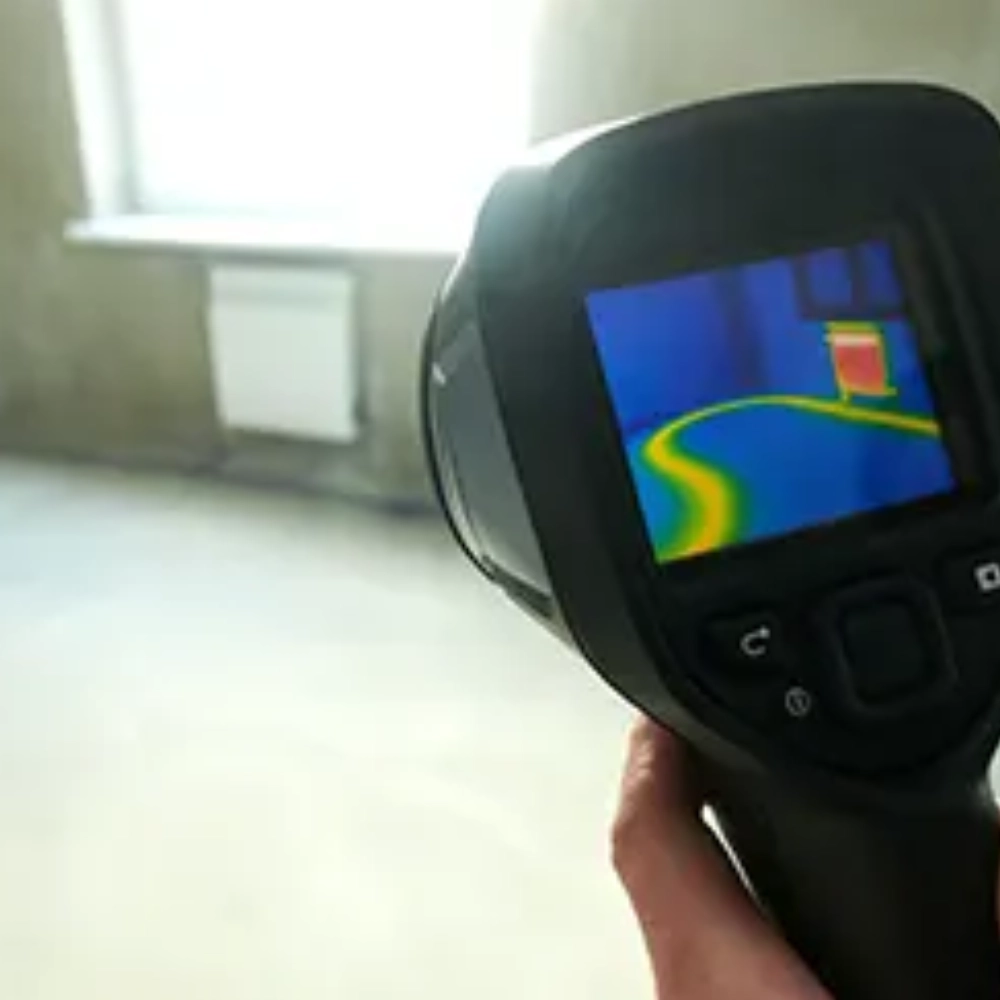
Here is the most important thing to know: you should never start jackhammering concrete to hunt for a leak. The goal is to find the exact spot before touching the slab, and that is what electronic leak detection does. Using acoustic listening equipment, pressure testing, and line-tracing tools, a plumber can hear and trace the leak through the concrete and mark the one spot to open, instead of tearing up a whole floor. Kingdom Plumbing's leak detection and repair team uses this equipment to locate slab leaks precisely, then gives you a flat-rate quote you approve before any work begins.
Once the leak is pinned down, the repair usually takes one of a few paths: opening and fixing the single section of pipe, rerouting that line, or repiping if the plumbing is near the end of its life. The right choice depends on the pipe's age and where the leak sits. Whatever the fix turns out to be, you get the price up front and approved before work starts, with no surprise add-ons after the job is done.
What to Do If You Think You Have a Slab Leak
- Shut off the water. Find your main shut-off valve and close it to stop water from feeding the leak and doing more damage.
- Check the meter. With everything off, watch the meter dial. Any movement confirms water is still running somewhere.
- Do not break concrete yourself. Guessing where to dig usually means more damage and a bigger repair bill.
- Call a licensed plumber for leak detection. Pinpointing the leak first keeps the fix small and the cost down.
A slab leak will not fix itself, and the longer it runs the more water it wastes and the more it can damage your foundation and floors. If you have noticed a warm spot, a climbing bill, running-water sounds, or new cracks, it is worth having it checked. Kingdom Plumbing is a family-owned, licensed, bonded, and insured Las Vegas plumber (NV Contractors License #0085422) with two locations in the northwest valley, and a real person answers 24/7 at (702) 840-5037. Every job is backed by a 100% satisfaction guarantee and a flat-rate quote you approve before we start.
Frequently Asked Questions
What is a slab leak?
What are the first signs of a slab leak?
Why are slab leaks common in Las Vegas?
How do you find a slab leak without breaking my floor?
How much does slab leak detection cost?
Have a plumbing question or a problem right now?
Call (702) 840-5037Burst pipe or flooding that can't wait? Our 24/7 emergency plumbers in Las Vegas dispatch around the clock.