
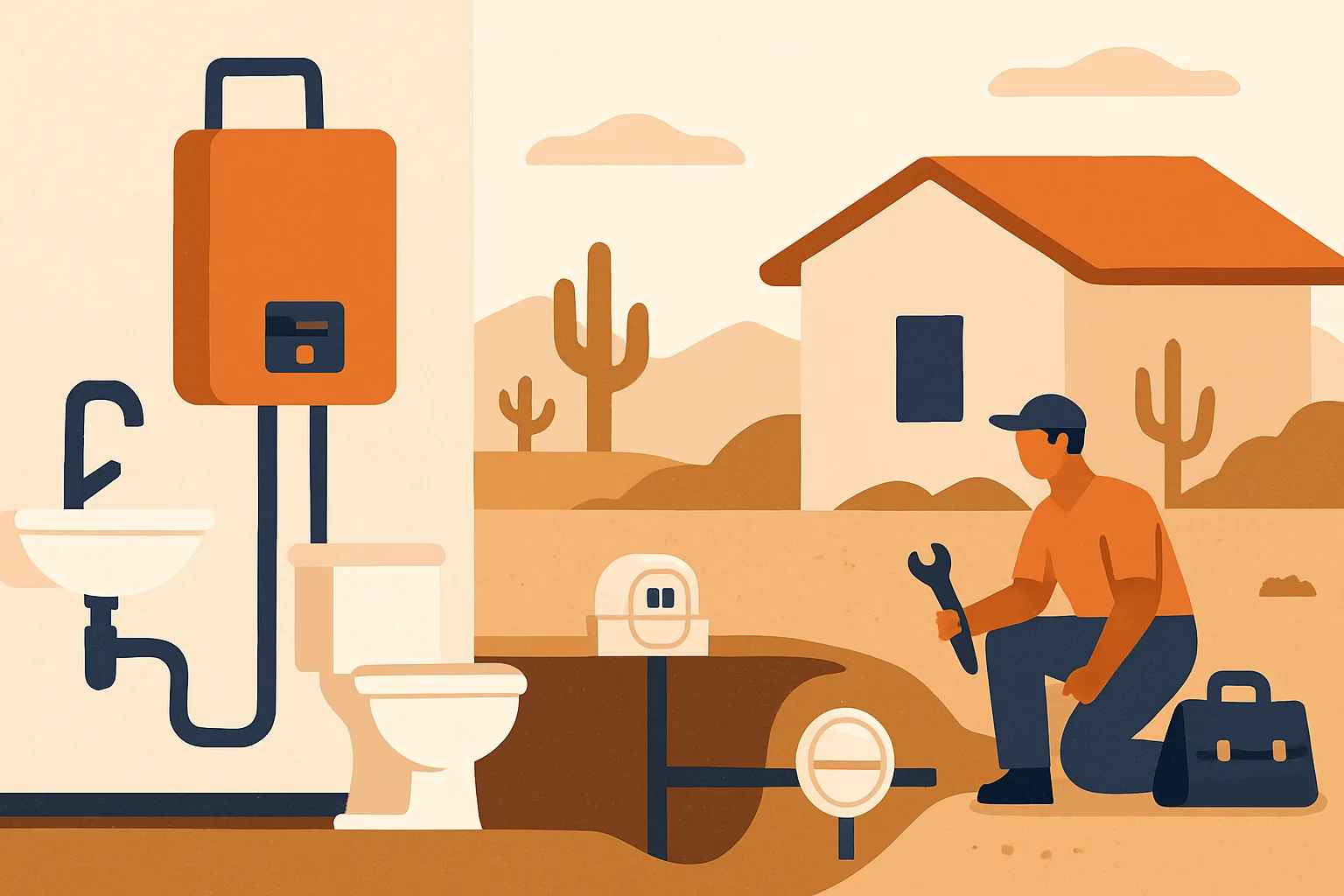
Tankless water heater installs in Las Vegas can be a half‑day job or a multi‑day project, depending on what you are starting with. Here is a realistic timeline so you know how long you will be without hot water and how to plan your schedule.
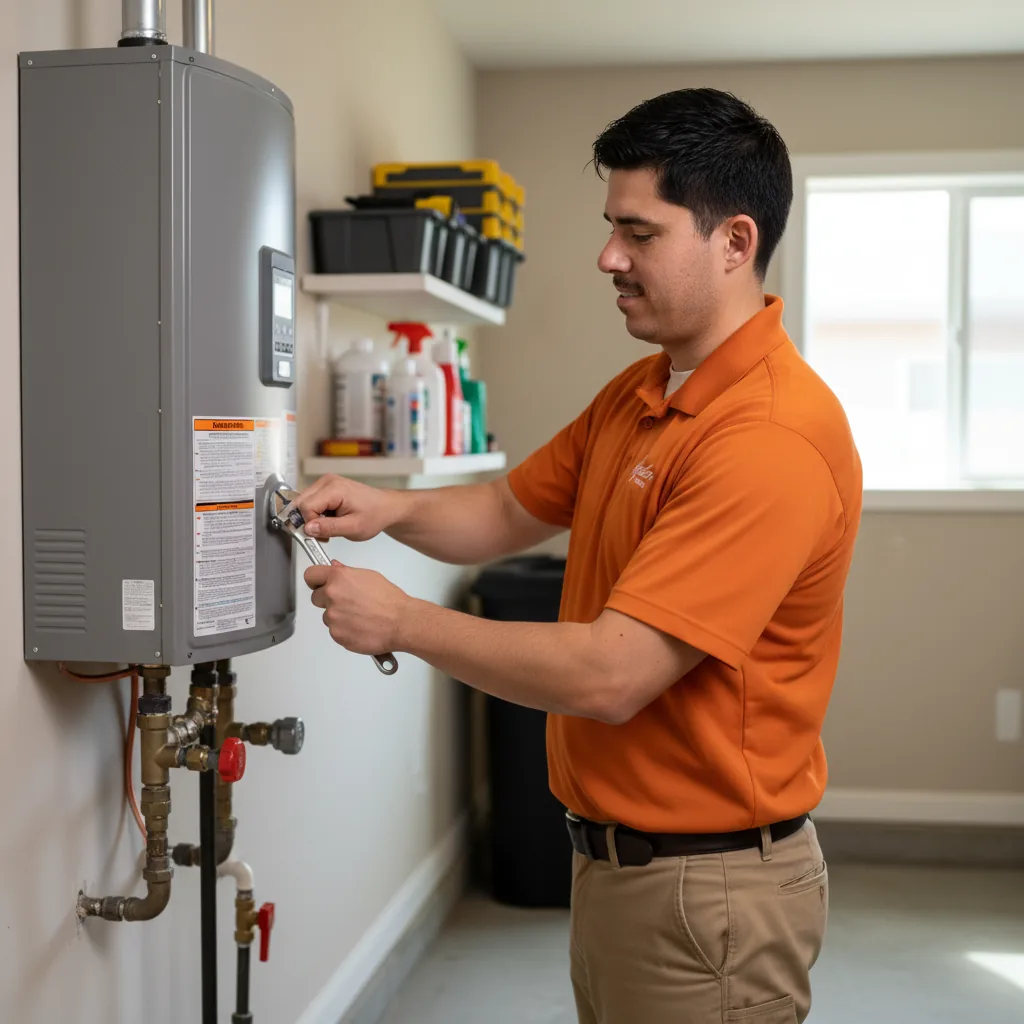
What is the typical timeline for a tankless water heater in Las Vegas?
When Las Vegas homeowners ask how long a tankless water heater install takes, the honest answer is that it depends on what is already in place. National installation guidance reports that a straightforward tankless to tankless replacement often wraps up in about 2-4 hours when the fuel type, venting, and gas or electrical service are already sized correctly. Once you start changing from a storage tank to a tankless or altering gas, venting, or power, the hours go up quickly.
For a conversion from a traditional tank to a whole‑home tankless water heater, contractor guides put the working time in the 6-10 hour range in many homes. That is because the plumber must disconnect and haul away the tank, set the new unit, adapt plumbing, and often address vent or gas line changes. Complex projects that require significant gas line upgrades, new vent runs, or electrical work can span 2-3 days in total, especially when you include inspection windows. Planning your schedule around these ranges keeps surprises to a minimum and helps you decide whether to arrange time off work or temporary access to hot water elsewhere while work is underway.
- Tankless to tankless swaps often land in the 2-4 hour range
- Tank to tankless conversions commonly need 6-10 hours of on‑site work
- Major gas, venting, or electrical changes can extend jobs to 2-3 days
- Inspection scheduling can add time beyond the plumber’s hours
How Las Vegas water hardness and home layout affect installation time
Las Vegas water is very hard, and that matters for tankless planning and how long a job really takes. The Las Vegas Valley Water District reports hardness around 280 ppm, which is about 16 grains per gallon, and classifies that as very hard water. That hardness encourages mineral scale inside heat exchangers and plumbing. Smart tankless designs in this valley usually include isolation valves and a plan for regular descaling, and they often pair with some form of water treatment. Discussing and adding those components adds a bit of time on day one but pays off in fewer problems and longer service life.
Your home’s layout also affects how long installation takes. Slab‑on‑grade construction means most water lines are in walls or under the slab, so relocating the water heater to a different side of the house is more invasive than in a raised‑floor home. Multi‑story homes or long runs from the water heater to distant bathrooms may benefit from recirculation solutions, which require extra plumbing and electrical steps. All of this is why a careful site visit matters in Las Vegas: the plumber is not just looking at your old heater, but at how your particular floor plan, piping routes, and hardness level will shape the job and the schedule.
- Very hard water encourages scale in tankless heat exchangers
- Adding isolation valves and flush ports takes extra installation time
- Slab‑on‑grade foundations limit easy access to buried water lines
- Long pipe runs or two‑story layouts may call for recirculation add‑ons
Day‑of‑install timeline: hour‑by‑hour expectations
On installation day, most homeowners want to know when they will lose hot water and when they can expect it back. For a standard tankless swap that fits within the 2-4 hour window mentioned in industry timelines, you can usually expect an initial walkthrough, shutoff, and drain period in the first hour, followed by removal of the old unit and mounting of the new one. In the middle portion of the visit, the plumber connects water, gas or power, and venting, then runs pressure and leak checks. The final stretch is about startup, adjusting settings, and verifying hot water at your fixtures.
For a tank to tankless conversion that takes closer to 6-10 hours, the middle of the day is heavier. Extra time goes into cutting and capping the old connections, possibly upsizing gas lines if the tankless unit requires it, and creating any new wall or ceiling penetrations for venting. Electric units may need dedicated circuits, which lengthens the electrical portion of the day. Toward the end, the plumber will purge air from lines, set temperatures, and walk you through maintenance basics, including how often descaling is recommended in Las Vegas hardness conditions. You should expect at least one full block of time without hot water and should avoid running hot taps during the work unless the installer asks you to do so for testing.
- Expect a short walkthrough and shutdown period at the start
- Old equipment removal takes 30-90 minutes depending on access
- Connection, venting, and gas or electrical work take the bulk of the time
- Startup, testing, and homeowner orientation finish the visit
How permits, inspections, and code compliance add to the schedule
Most jurisdictions require permits for water heater replacements, and that includes tankless systems. Installation guides note that permits and inspections are widely expected and that many manufacturers tie warranty coverage to code‑compliant work. Filing the permit does not typically add a huge amount of hands‑on time to your project, but waiting for inspection windows can extend the calendar. Some inspections happen the same day, while others fall one or two days later, especially if gas piping or vent alterations are involved.
Code compliance affects the install hours too. Tankless manufacturers and safety guidelines call out correct venting for gas units to prevent exhaust issues, proper gas sizing so the burner has enough fuel, and required safety devices like pressure and temperature reliefs where applicable. A leading manufacturer list of common mistakes includes improper venting, incorrect sizing, reversed plumbing connections, and missing safety components. Correcting oversights like these later usually takes more time than doing them right the first time. In practice, that means a thorough installer might spend extra time on layout, pipe sizing, and verifying clearances on day one, but you reduce the chance of follow‑up visits and inspection corrections.
Key choices that change how long your tankless project will take
Your technology and design choices have a big influence on the overall timeline. National cost and installation guides explain that whole‑house gas tankless units and whole‑house electric units have different needs. Gas tankless heaters often deliver higher flow but can require larger gas lines and special venting, while electric tankless models depend heavily on your electrical service capacity. If your electrical panel or gas meter needs an upgrade, the project shifts from a half‑day plumbing visit to a coordinated multi‑trade job. That type of work fits the 2-3 day range cited in industry timelines, especially when inspections are accounted for.
You also make schedule decisions when you consider performance and efficiency. Research summarized by the U.S. Department of Energy notes that tankless systems reduce standby losses and can trim water heating energy use by roughly 10-20 percent in typical homes, and that they often last longer than standard tanks. To get those benefits, you want proper sizing so the unit can handle your shower, laundry, and dish loads without strain. Sizing discussions can lead to changes in model choice or the addition of recirculation, which may slightly extend planning and installation, but they help you avoid a unit that struggles on busy mornings. All of these are conversations to have with your plumber at the estimate stage so you know whether you are looking at hours or days, not surprises halfway through.
- Whole‑house gas units may need larger gas lines and venting
- Whole‑house electric units depend on panel capacity and wiring
- Recirculation and comfort features add some install time
- Correct sizing decisions help avoid performance‑related callbacks
- Confirm whether you currently have a tank or tankless water heater, and note the fuel type and location so your plumber can estimate how long a swap or conversion is likely to take.
- Make a list of your peak hot water needs, such as how many showers, loads of laundry, and dish cycles might overlap, to help size the tankless system correctly and avoid undersized installs.
- Ask your plumber how Las Vegas’s very hard water will be handled, including whether they recommend isolation valves, routine descaling, or pairing the tankless unit with a water treatment solution.
- Check your schedule and decide which days work best for a possible 6-10 hour visit or a 2-3 day project if gas, venting, or electrical upgrades are likely.
- Request a written estimate that spells out whether permits, inspections, venting work, gas line changes, and electrical labor are included, so you understand both cost and time impacts.
- Discuss where the new tankless water heater will be mounted and whether any wall repairs, access changes, or condensate drain routes could add hours to the job.
- Clarify how long you will be without hot water during the installation and whether any temporary measures are recommended if you have vulnerable family members at home.
- Ask about the installer’s plan for startup, homeowner training, and first maintenance, including how often to descale a tankless water heater in Las Vegas conditions so you can schedule that time in advance.
Frequently asked questions
- How long does it really take to install a tankless water heater?
- Installer guides report that a straightforward tankless to tankless replacement often takes about 2-4 hours when fuel type, venting, and utilities are already correct. Converting from a tank to a tankless system usually takes 6-10 hours, and complex jobs that involve gas line upgrades, new venting, or major electrical work can stretch to 2-3 days including inspection time.
- Will I be without hot water the whole time during a tankless install?
- You will be without hot water during key parts of the work, particularly after the old heater is disconnected and before the new tankless passes testing. For a simple swap that fits in a 2-4 hour window, that outage is typically limited to part of a day. For conversions or upgrades that take 6-10 hours or more, it is wise to plan for no hot water until your installer confirms everything is running correctly.
- Does Las Vegas hard water make tankless water heater installation take longer?
- Hard water itself does not dramatically change the number of hours on installation day, but planning for it can add steps. The Las Vegas Valley Water District reports water hardness around 16 grains per gallon, which encourages scale, so many installers add isolation valves and plan for routine descaling or water treatment. Those components add some time up front but help protect the unit over its life.
- Why do some tankless water heater installations take 2-3 days?
- Industry guidance notes that simple installs are fast, while jobs needing new gas lines, upgraded venting, or electrical panel changes can extend to 2-3 days. The extra time is not just for plumbing work, but also for coordinating other trades and passing required inspections. Large homes or significant relocation of the heater’s position can also increase the timeline.
- Is it faster to install an electric tankless heater than a gas one?
- Neither fuel type is always faster, because each has its own requirements. Cost guides point out that whole‑house electric tankless units depend on having enough electrical service and dedicated circuits, while gas units may need larger gas lines and special venting. If your home already supports the chosen fuel well, the timelines are similar, but if upgrades are needed those can add a day or more.
- How much time should I allow for permits and inspections on a tankless install?
- Permit filing usually adds minimal hands‑on time for the plumber, but inspection scheduling can add a day or two to the overall calendar. Installation resources emphasize that most jurisdictions expect permitted, code‑compliant water heater work and that many manufacturers tie warranty coverage to meeting these requirements. Ask your plumber how your local inspection schedule typically affects completion.
- How often will I need to descale a tankless water heater in Las Vegas?
- Authoritative research does not give a fixed interval for every home, because usage and water treatment vary, but Las Vegas’s very hard water means regular descaling is important. Many plumbers in hard water areas recommend annual descaling at a minimum, and heavy‑use homes may benefit from more frequent service. It is smart to ask your installer to recommend a schedule tailored to your water conditions and usage patterns.
- Can a tankless water heater really save time and money over a tank system?
- According to the U.S. Department of Energy, tankless water heaters avoid standby heat loss and can reduce water heating energy use by roughly 10-20 percent in typical homes, while also often lasting longer than traditional tanks. You will still have a small delay of a few seconds before hot water reaches the tap, but you reduce energy waste from keeping a large tank of water hot all day. Over the life of the unit, those efficiency gains can offset some of the higher upfront cost and installation time.
Talk to Kingdom Plumbing about tankless water heaters, or call (702) 840-5037. Family-owned, NV Contractors License #0085422, upfront flat-rate pricing.
Kingdom Plumbing is a family-owned, licensed Las Vegas plumber (NV NV Contractors License #0085422) serving the valley since 2018. Questions about how this affects your home? Call (702) 840-5037. Dealing with a burst pipe or flooding right now? Our emergency plumbers in Las Vegas answer 24/7.
More Updates
- Doing water heater work yourself vs hiring a licensed plumber: where Las Vegas homeowners should draw the line
- What Is Actually Included In Commercial Plumbing Service, And What Is An Add On?
- What questions should you ask before hiring a plumber for garbage disposal work?
- Tank Toilets vs Tankless Toilets: When a Las Vegas Home Should Choose Each