
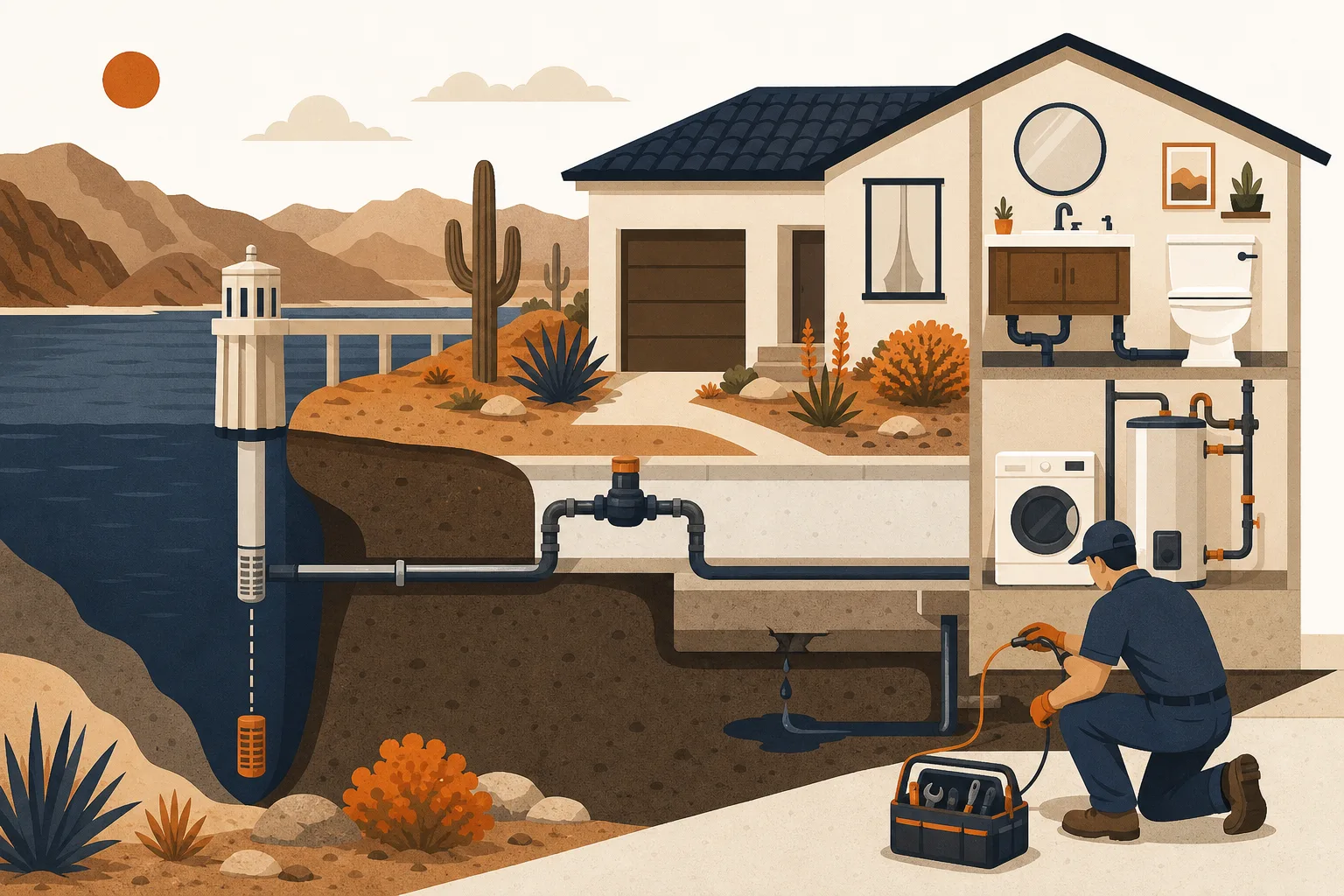
Southern Nevada water managers just approved a $20.85 million project to drop a Lake Mead intake pipe 30 feet to keep our taps running through low reservoir levels. For Las Vegas homeowners, this is a reminder that reliable water delivery is only half the story and that leak detection and slab leak repair at home now matter more than ever.
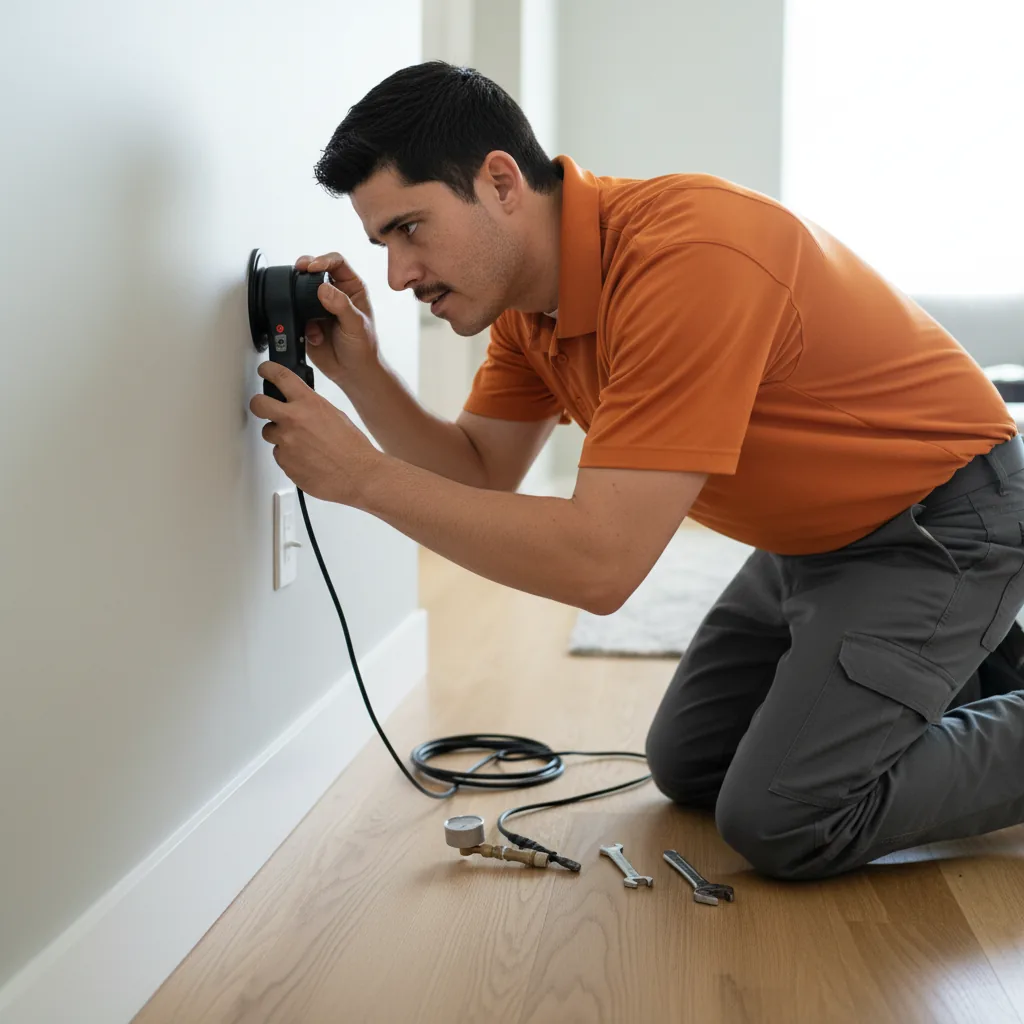
What did SNWA just approve at Lake Mead, and why should a homeowner care?
According to recent reporting, the Southern Nevada Water Authority board voted to spend about $20.85 million to lower its third intake at Lake Mead by 30 feet. Granite Construction was selected to handle the work, which is designed to keep Southern Nevada drawing water from the Colorado River system even as Lake Mead hovers at historically low elevations. This is happening against the backdrop of a Tier One shortage on the river, with Nevada required to use less water overall.
For a Las Vegas homeowner, this kind of infrastructure project can feel far away from your driveway. In reality, it is the upstream half of your everyday plumbing. Regional agencies are working hard to keep reliable water coming into the valley, while homeowners are responsible for what happens once that water passes your meter. That is where leak detection and slab leak repair come in. If water managers are investing millions to secure supply, it makes sense for you to protect what you pay for inside your own property lines.
The lake intake news is a reminder that we live in a desert city that depends heavily on one source: Colorado River water stored in Lake Mead. Conservation rules will continue, and so will close tracking of water waste. A slow underground leak that you do not see can easily run 24 hours a day. That quietly undermines the community’s conservation efforts and can leave you with a steep bill or damaged slab. Staying ahead of leaks is now part of living in Las Vegas, just like following seasonal watering restrictions.
- Regional intake work keeps water available to the valley.
- Shortage conditions make every gallon inside your home matter more.
- Hidden leaks can undo the benefit of big conservation projects.
- Homeowners control water use once it passes the meter.
How do Tier One shortage conditions change the way Las Vegas homes should think about leaks?
The latest Colorado River hydrology report confirms that Lake Mead is in a Tier One shortage condition for 2026. According to state documents, Nevada must reduce its consumptive use and contribute additional water savings under the Drought Contingency Plan. Projections place the lake level around 1,034 feet by the end of 2026, which is low enough that intake and marina operations are being adjusted across the reservoir. These are not one-off blips. They are signs of a long-term dry pattern the region is planning around.
SNWA’s own drought and shortage updates emphasize conservation tools like seasonal watering schedules, turf conversion rebates, and enforcement of water waste rules. Those programs focus on outdoor use, because that is where most discretionary water goes in a typical desert yard. Indoors, the biggest waste problems are usually not long showers. They are plumbing leaks that run day and night. In slab-on-grade Las Vegas construction, those leaks are often hidden in or under the concrete, not in a visible basement.
A Tier One shortage does not mean water is about to stop flowing. It does mean the valley has less margin for error. A toilet that runs all night or an irrigation lateral that snapped under gravel is one thing. A hot water line leaking under your living room is another. The first is annoying and easy to spot. The second can take months to find without proper leak detection equipment, all while you are paying for the wasted water and slowly damaging your foundation. With shortage conditions locked in, it is smarter than ever to catch and fix leaks early.
- Lake Mead is projected to stay low through 2026.
- Tier One shortage means tighter water budgets for Nevada.
- SNWA focuses on outdoor savings, but indoor leaks are your responsibility.
- Hidden slab leaks can waste water around the clock.
Why would a deeper Lake Mead intake make slab leaks more important, not less?
At first glance, hearing that a Lake Mead intake is being moved 30 feet deeper might sound like a relief. If the pipe stays under water, Southern Nevada can keep drawing supply even as the reservoir drops. That is the intent of the SNWA project. But a deeper intake does not create new water. It simply protects access to the Colorado River allotment that the state already has, subject to shortage rules and conservation commitments. The overall river system is still stressed.
The more secure the regional intake is, the more attention shifts to what is happening downstream at individual properties. If SNWA spends millions to keep the system drawing water efficiently while a neighborhood has a cluster of undetected slab leaks, the community loses much of that benefit. Homeowners are effectively partners in the conservation plan. Your part is making sure your plumbing is tight, efficient, and up to current code. Leak detection and slab leak repair are the tools to do that when something goes wrong under the concrete.
In practical terms, this means that a high water bill, a warm spot on a tile floor, or the sound of running water when every fixture is off should not be brushed aside. Those are common Las Vegas slab leak warning signs, especially in older neighborhoods with long hot water runs. The sooner you bring in a licensed plumber with acoustic and line-tracing tools, the more likely you are to limit the damage to a focused repair rather than a major reroute. The new intake work at Lake Mead is the regional system doing its part. Timely leak repairs are your way of doing yours.
- Deeper intakes protect access, not create new supply.
- Regional investments increase the value of every saved gallon at home.
- Undetected slab leaks quietly erase community conservation gains.
- Early detection keeps repairs smaller and more predictable.
What does all this mean for leak detection, cost, and disruption in a Las Vegas home?
For many homeowners, the big unknown around leak detection or slab leak repair is not the technology. It is the disruption and the cost. In Las Vegas, most homes are built on slabs with no crawlspace. That means access is through concrete, walls, or a reroute through the attic. The good news is that a proper leak detection visit is a controlled, step-by-step process, not a guessing game. A licensed plumber starts by confirming there is a continuous flow through your plumbing even when fixtures are off, then uses listening equipment and tracing tools to pinpoint the leak as closely as possible.
Kingdom Plumbing’s flat rate for professional leak detection in the Las Vegas valley runs from $140 to $275. That is our own planning range, and the exact number for your job is quoted upfront and approved before work starts. When a slab leak is confirmed, there are usually two main repair directions. A direct access repair opens the concrete over the leak and fixes that section of pipe. A slab leak reroute abandons the leaking section and runs a new line around the problem area, often through walls or the attic. Our flat rate for a slab leak reroute runs from $2,500 to $4,300, again quoted as a flat rate before we begin.
Direct access and reroutes both involve some demolition and restoration, but a good plumbing team will work to keep that as contained as possible. That includes thoughtful placement of access points, clear communication about which rooms will be affected, dust protection, and coordination with any other trades you bring in for flooring or paint. In shortage conditions, it is worth weighing that short-term disruption against the long-term cost of letting a pressurized line leak under your home. Catching and repairing a leak early usually means less slab cutting, fewer surprises, and a better outcome.
How can Las Vegas homeowners use new and existing tech to stay ahead of leaks?
While the news item on Lake Mead focuses on big engineering at the reservoir, there is a quieter technology story inside homes. Water agencies increasingly rely on metering and data to understand community use. Locally, the Las Vegas Valley Water District can contact customers when it detects continuous flow through the meter for days at a time. That often means a leak. Homeowners can mirror that approach on a smaller scale with smart leak detectors, automatic shutoff valves, and routine professional inspections.
An automatic shutoff valve, which Kingdom Plumbing installs for $1,900 to $3,400, can sense unusual continuous flow and shut the water off before a leak runs for days. Point-of-use smart leak sensors placed near water heaters, behind toilets, and under sinks can send alerts to your phone when they detect moisture. Neither of these replace a skilled plumber, but they give you earlier warning so leak detection and slab leak repair can start before a problem grows. Pair that tech with periodic whole-home plumbing inspections, where a licensed plumber checks pressures, visible piping, and fixtures, and you have a strong defense against surprise leaks.
In a desert city that depends on a reservoir under stress, those tools are not overkill. They are a practical way to respect both your own budget and the community’s water limits. As Lake Mead intakes are lowered and shortage plans evolve, the most resilient homes will be the ones that can catch and isolate leaks quickly. If you are unsure where to start, a diagnostic visit with a plumber who understands Las Vegas construction styles, caliche soil, and local codes is a straightforward first step.
- Use LVVWD alerts as a prompt to investigate for leaks.
- Consider automatic shutoff valves for whole-home protection.
- Place smart leak sensors near high-risk fixtures and lines.
- Schedule periodic professional inspections to spot issues early.
- Check your most recent water bills for unexplained increases and treat any spike as a reason to schedule professional leak detection instead of waiting to see if it goes away.
- Walk your home once a month and listen carefully for water sounds when all fixtures are off, especially in quiet areas with tile floors, since a steady hiss can signal a slab leak.
- If the Las Vegas Valley Water District contacts you about continuous flow through your meter, call a licensed plumber right away to investigate rather than assuming it is just irrigation.
- Ask a plumber about installing an automatic shutoff valve so that major leaks can be stopped automatically when you are at work or out of town.
- Schedule a whole-home plumbing inspection every couple of years to have a professional check visible piping, pressures, and shutoffs before there is an emergency.
- When you remodel or replace flooring over a slab, use that project to have your plumber inspect nearby lines and discuss reroute options if you have had repeat leaks in the same area.
- If a plumber confirms a slab leak, ask them to walk you through the pros and cons of a direct access repair versus a full slab leak reroute so you can choose the option that best fits your long-term plans for the home.
- Keep Kingdom Plumbing’s number, (702) 840-5037, saved in your phone so you can get 24/7 help with leak detection and slab leak repair if you notice a warm floor spot or sudden drop in water pressure.
Frequently asked questions
- How does the new Lake Mead intake project affect my home water supply in Las Vegas?
- The Southern Nevada Water Authority’s decision to lower a Lake Mead intake by 30 feet is meant to keep water flowing to the valley as lake levels drop. For your home, it means the regional system is working to maintain reliability even in a Tier One shortage. You are still responsible for what happens after the meter, so leaks and slab issues remain your job to monitor and fix. Reliable supply upstream makes it even more important not to waste water through hidden leaks.
- What are the signs of a slab leak in a typical Las Vegas home?
- Common slab leak signs in our slab-on-grade homes include warm spots on tile or laminate floors, the sound of running water when all fixtures are off, and higher than normal water bills. You might also see cracks widening in walls or flooring, or notice that the water heater seems to run more often. If any of these show up, call a licensed plumber for leak detection rather than waiting for visible standing water.
- Is professional leak detection really necessary, or can I just watch my water meter?
- Watching your meter is a helpful first step, but it usually cannot tell you where a leak is located, only that water is moving. Professional leak detection uses listening equipment, line tracing, and pressure testing to narrow the problem down to a specific area. In a concrete slab home, guessing at the location and opening floors in the wrong spot can quickly become more expensive than a focused detection visit. A flat-rate leak detection appointment keeps the process controlled and efficient.
- How much does leak detection and slab leak repair cost in Las Vegas?
- Kingdom Plumbing’s flat rate for leak detection in the Las Vegas valley ranges from $140 to $275, and that is our own planning range for identifying the problem. When a slab leak reroute is the right fix, our flat-rate planning range runs from $2,500 to $4,300. Every job is quoted as a flat rate that you approve before work starts, and the final price depends on the pipe layout, access, and how far the new line needs to travel.
- Will a slab leak repair destroy my floors or keep me out of my house for days?
- Most slab leak repairs can be done while you remain in the home, though you may need to avoid certain rooms while work is underway. A direct access repair involves cutting a focused opening in the slab, which means localized flooring removal in that area. A reroute usually requires wall or attic access instead. A careful plumber will protect surrounding areas, communicate what will be affected, and help you plan any follow-up flooring or paint work with minimal disruption.
- What role do smart leak detectors and shutoff valves play during a water shortage?
- Smart leak detectors and automatic shutoff valves help you catch and stop leaks much sooner than you could with bill monitoring alone. In a Tier One shortage, every gallon that runs under your slab for days is wasted water you pay for and that the region cannot reuse. Devices that sense unusual flow and alert you, or shut off the supply, give you a chance to call a plumber for leak detection and slab leak repair before serious damage or massive waste occurs.
- How often should I have my Las Vegas plumbing system checked for leaks?
- If your home is older or has a history of leaks, having a whole-home plumbing inspection every one to two years is a good idea. Newer homes with no issues can often go a bit longer, but you should still respond quickly to any warning signs like high bills, damp spots, or noises. Pairing periodic professional inspections with simple monthly walk-throughs on your own keeps most surprises from turning into emergencies.
- Who should I call in Las Vegas if I suspect a slab leak or hidden leak?
- You will want a licensed, bonded, and insured plumbing contractor that handles leak detection and slab leak repair regularly in the Las Vegas valley. Kingdom Plumbing is a family-owned company serving local homeowners since 2018 under NV Contractors License #0085422. We offer flat-rate pricing, 24/7 emergency response, and a 100% satisfaction guarantee. If you suspect a leak or slab issue, you can call us at (702) 840-5037 to schedule professional leak detection and discuss repair options.
Talk to Kingdom Plumbing about leak detection and slab leak repair, or call (702) 840-5037. Family-owned, NV Contractors License #0085422, upfront flat-rate pricing.
Kingdom Plumbing is a family-owned, licensed Las Vegas plumber (NV NV Contractors License #0085422) serving the valley since 2018. Questions about how this affects your home? Call (702) 840-5037. Dealing with a burst pipe or flooding right now? Our emergency plumbers in Las Vegas answer 24/7.
More Updates
- What To Do Before Summer 2027 If You Need A Tankless Water Heater
- Water heater repair for Las Vegas snowbird homes and seasonal residents
- 2026 Colorado River storage shift: what it means if you need garbage disposal work
- November 2026 Lake Mead shortage report: does a Las Vegas homeowner need to act?