
A whole-home plumbing inspection should leave you with clear answers, not more questions. Here is what a Las Vegas homeowner can reasonably expect to learn, what it will not do, and how to tell if it was done right.
What does a real whole-home plumbing inspection include in Las Vegas?
When you schedule a whole-home plumbing inspection in Las Vegas, you are paying for time, training, and a systematic look at every major part of your plumbing. It should feel very different from a quick home walk-through during a real estate showing. A thorough inspection typically covers the water supply system, the drain and sewer system, water heating, and all accessible fixtures, along with key safety items like shut-off valves and pressure regulation.
Authoritative plumbing checklists describe a good inspection as walking the home, testing flow and drainage at fixtures, looking for visible leaks and corrosion, checking the water heater’s age and condition, and operating shut-off valves where it is safe to do so. The inspector should also look at pipe materials wherever they are visible, such as under sinks, at the water heater, or in the garage or attic access. In the Las Vegas valley, this is especially important because many homes are slab-on-grade and you cannot see pipes that run under the concrete, so the visual parts of the system need to be documented carefully.
- Walk the home and test sinks, showers, and toilets for flow and drainage
- Inspect visible supply lines, shut-off valves, and hose bibs for leaks or corrosion
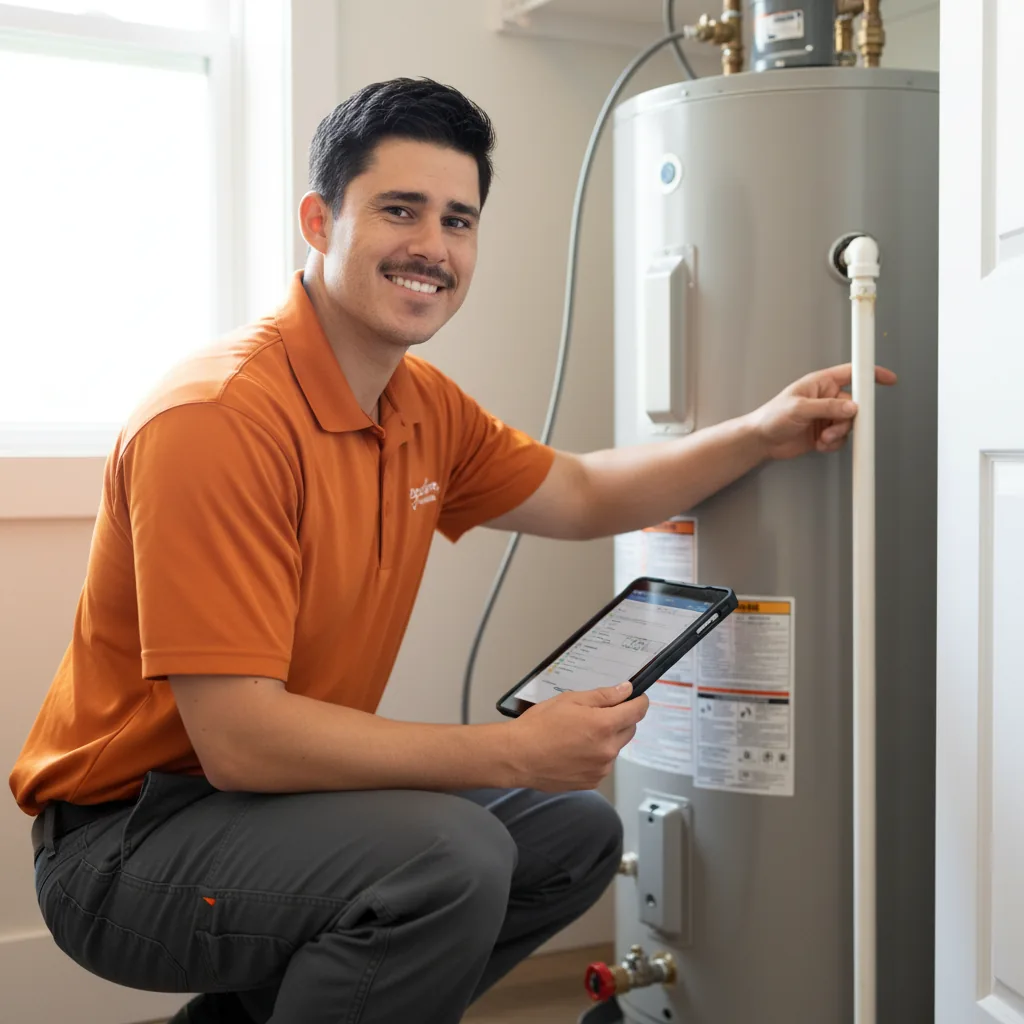
- Evaluate the water heater for age, venting, and signs of failure
- Check accessible drain and waste lines for slow draining and signs of backups
What concrete results should you expect after the inspection is finished?
After a whole-home plumbing inspection, you should have much more than a verbal "looks fine" or "you have some issues". A strong result is a written summary or report that you can read later without needing to remember everything that was said. Industry groups that describe home and plumbing inspections note that inspection reports are often delivered within about 24-48 hours, and your plumbing-only inspection should follow a similar pattern, even if the format is simpler.
At a minimum, expect a list of findings organized by urgency. Items like active leaks, non-functioning shut-off valves, or signs of sewer problems should be flagged as high priority. Less urgent defects might include aging fixtures, minor corrosion, or recommendations for future upgrades. Any good report will tie findings to likely causes, and when possible, to ballpark cost ranges that align with independent cost guides. You should also receive clear answers to your questions in plain language. If you are left confused about what was found, the inspection result is not complete, even if the on-site work was thorough.
- Written or digital notes you can refer back to later
- Issues grouped by urgency so you can plan repairs in stages
- Clear explanations in plain language instead of technical jargon
- Time during or after the visit to ask follow-up questions
How much should you expect to spend for a whole-home plumbing inspection and when is a sewer camera worth it?
Cost is usually the first practical question. According to a national plumbing cost guide, a typical whole-house plumbing inspection that is mostly visual and does not include a camera usually falls in the $150-$500 range, depending on the size and age of the home and how complex the plumbing layout is. Older homes, or those with multiple water heaters, multiple kitchens, or large yard irrigation systems, can push inspection time and cost toward the higher end of the range.
If you want a sewer camera scope added, especially important for older properties or if there are signs of chronic drain issues, that is usually an add-on service. The same cost guide notes that camera work itself can range roughly $230-$700, and that bundled inspections with a camera can land around $350-$900. The camera is not automatically part of every whole-home plumbing inspection, so you should be clear with the plumber about whether this is included. In Las Vegas, many slab-on-grade homes have the main sewer line buried under concrete and caliche, which makes a camera one of the few ways to see what is happening without excavation. Whether it is worth it depends on the age of the home, any history of backups, and your risk tolerance for hidden sewer problems.
- Clarify whether the quoted inspection includes a sewer camera or not
- Ask how your home’s age and layout affect the time and price
- Budget more for older homes or homes with multiple water heaters
- Use independent cost ranges to sanity-check quotes you receive
What problems should a good whole-home plumbing inspection catch, and what will it not guarantee?
A whole-home plumbing inspection is designed to catch existing problems and strong warning signs, not to predict every future issue. According to industry inspection checklists, a solid inspection should catch visible leaks, corroded or outdated pipe materials, slow drains, water heaters that are near the end of their typical life, and obvious safety risks like non-working main shut-off valves. It should also measure water pressure and flag if it is too high, since excessive pressure can shorten the life of fixtures and appliances over time.
However, even a careful inspection has limits. Articles that review common inspection misses point out that problems inside walls, underground lines, and portions of the sewer lateral that are not scoped with a camera can escape detection. A standard visual inspection also cannot see future failures that have not started to show symptoms. The inspection is a snapshot of your system today under normal operating conditions. For Las Vegas homeowners, that means it should account for very hard local water, which the Las Vegas Valley Water District measures at about 280 ppm or roughly 16 grains per gallon, but it cannot undo past scale buildup inside pipes. A good plumber will be transparent about what they can see, what they cannot, and where a camera or additional testing could narrow the unknowns.
- Existing leaks at visible pipes, valves, and fixtures
- Slow drains and signs of partial sewer blockages
- High water pressure or failing pressure regulators
- Aging or unsafe water heaters that should be repaired or replaced soon
How long does a whole-home plumbing inspection take and what should the visit feel like?
For planning your day, it helps to know how long the plumber will be on site. The American Society of Home Inspectors notes that a full home inspection, which covers structure, electrical, plumbing, and more, typically runs about 2-4 hours on site depending on the size, age, and overall condition of the property. A dedicated whole-home plumbing inspection often falls within a similar window because the plumber is focusing more deeply on just one system. Small, newer homes may be on the shorter side. Older or larger homes with complex plumbing can take longer.
During the visit, you should see the plumber systematically move through the home rather than bouncing randomly from task to task. You will likely notice them turning faucets on and off, flushing toilets, checking access panels, and looking at the water heater and outdoor hose bibs. There should be at least a short conversation at the beginning to understand any concerns you already have, like recurring clogs or hot water issues. At the end, you should expect a verbal walkthrough of what they found, along with when you can expect the written summary. If the entire visit is extremely brief and light on testing, that is usually a sign you are not getting the depth that a true whole-home plumbing inspection should provide.
- Plan for roughly a 2-4 hour visit depending on home size
- Expect the plumber to test fixtures and drains in real time
- Ask for a quick summary before the plumber leaves your property
- Confirm when and how you will receive written notes or a report
What should Las Vegas homeowners ask for specifically when booking a whole-home plumbing inspection?
Before you commit to a whole-home plumbing inspection, it helps to be precise about what you are buying. Inspection resources and plumbing checklists highlight that some of the most expensive surprises come from things that were simply not part of the original scope. For example, the main sewer line is a major system but often requires a separate camera service. Yard irrigation, pool equipment, and water treatment devices can also be outside the standard inspection unless you ask. Clarifying scope up front keeps the results aligned with your expectations.
In the Las Vegas valley, certain questions are especially important. You may want to know whether the plumber will check for very high static water pressure and verify the condition of any pressure regulating valve. You can ask if they will identify visible pipe materials and flag older galvanized or other high-risk materials when they see them. It is also reasonable to ask how they will account for hard water conditions that our local water district documents, and whether they will call out scale-related risks around the water heater and fixtures. A reputable, licensed plumber should welcome these questions and answer them clearly. If you decide that a professional whole-home plumbing inspection makes sense for your house, Kingdom Plumbing’s licensed team can walk you through exactly what is included when you call (702) 840-5037.
- undefined
- undefined
- undefined
- undefined
- undefined
- undefined
- undefined
- undefined
- undefined
Frequently asked questions
- What exactly is included in a whole-home plumbing inspection?
- A whole-home plumbing inspection usually covers your water supply lines, drain and sewer lines where accessible, fixtures like sinks and toilets, the water heater, and key shut-off valves. The plumber will test flow and drainage, look for visible leaks and corrosion, and verify that controls like valves and pressure regulators function properly. Some items such as sewer camera work or irrigation systems may be add-ons, so it is important to confirm scope before booking.
- How much does a whole-house plumbing inspection typically cost?
- National cost guides put a basic whole-house plumbing inspection, without a sewer camera, in roughly the $150-$500 range depending on the size and age of the home. If you add a sewer camera scope, the total can climb to about $350-$900 because camera work itself often runs around $230-$700. Local pricing in Las Vegas will vary, so you should always ask for a clear written quote before approving the appointment.
- How long should a whole-home plumbing inspection take?
- Guidance from the American Society of Home Inspectors says a full home inspection usually lasts about 2-4 hours on site, and a focused whole-home plumbing inspection often falls in a similar range. Smaller or newer homes may take less time, while older or more complex properties can take longer. If your inspection feels extremely rushed, you may want to ask how the plumber documented their findings in such a short window.
- Do I really need a sewer camera during a plumbing inspection?
- A sewer camera is not mandatory for every inspection, but it is one of the only ways to see the inside of buried sewer lines without digging. It is especially valuable for older Las Vegas homes, properties with mature trees, or houses that have had repeated clogs or backups. A camera adds cost, but national data suggest that bundled inspection and camera services commonly fall in the $350-$900 range, so you can weigh that against the risk of hidden sewer problems.
- Can a plumbing inspection find every leak or future problem?
- No inspection can guarantee that you will never have a leak or plumbing failure in the future. A good inspection is designed to identify current issues and strong warning signs, such as visible leaks, corrosion, high water pressure, or aging equipment. Some problems inside walls or under slabs may not show up without advanced testing or a camera, so your plumber should be clear about what they can and cannot see.
- How does Las Vegas hard water affect what my plumbing inspection should cover?
- The Las Vegas Valley Water District reports that local water hardness is about 280 ppm, or around 16 grains per gallon, which is considered very hard. This level of hardness can accelerate scale buildup in water heaters and fixtures, and can contribute to reduced flow or premature wear. Your whole-home plumbing inspection should include a close look at your water heater condition, visible scale at fixtures, and any signs that hard water is stressing the system so you can plan for maintenance or upgrades.
- Is a whole-home plumbing inspection worth it if I am not buying or selling a house?
- Yes, a whole-home plumbing inspection can be useful even if you are staying put. It helps you catch small issues before they turn into leaks, understand how long your water heater and fixtures are likely to last, and budget for future repairs. In an area like Las Vegas with very hard water and many slab-on-grade homes, having a clear picture of your plumbing system can save you from surprises and help you prioritize work over time.
Talk to Kingdom Plumbing about whole-home plumbing inspection, or call (702) 840-5037. Family-owned, NV Contractors License #0085422, upfront flat-rate pricing.
Kingdom Plumbing is a family-owned, licensed Las Vegas plumber (NV NV Contractors License #0085422) serving the valley since 2018. Questions about how this affects your home? Call (702) 840-5037. Dealing with a burst pipe or flooding right now? Our emergency plumbers in Las Vegas answer 24/7.