
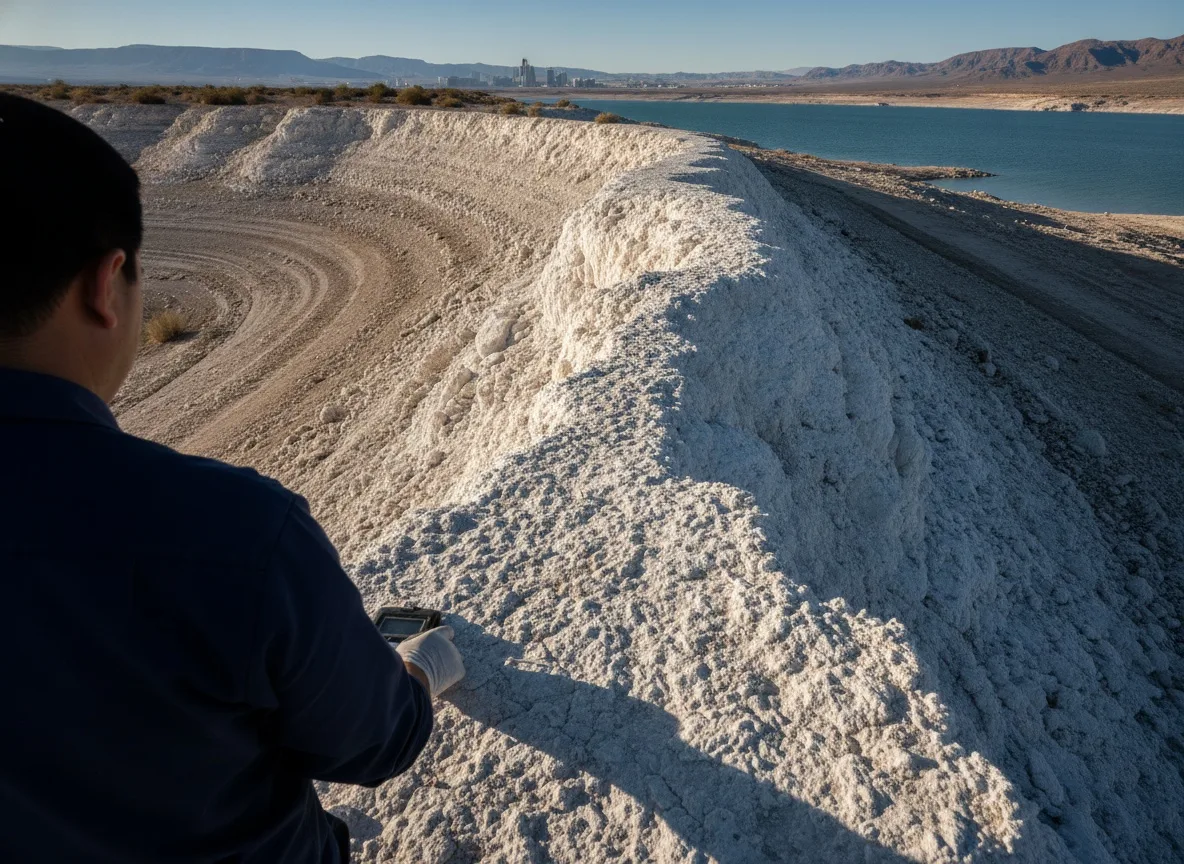
The Colorado River remains under a federal shortage declaration, and Nevada’s allotment is cut again. Here is where the water goes indoors and how to stop wasting it.
Where the Colorado River Stands in 2026
In August 2025 the U.S. Bureau of Reclamation released the operating projections that govern the river for the following year. Lake Mead was projected to sit around 1,055.88 feet, roughly 20 feet below the Lower Basin shortage determination trigger, which kept the reservoir in a Level 1 shortage condition for 2026.
A Tier 1 shortage applies when Lake Mead is projected between 1,050 and 1,075 feet. Under that determination, water deliveries are cut across the Lower Basin: Nevada gives up 21,000 acre-feet, about 7% of its annual apportionment, while Arizona and Mexico absorb larger reductions.
These are not abstract numbers for Clark County. The Las Vegas Valley draws the overwhelming majority of its drinking water from Lake Mead, so a lower lake and a firm shortage declaration mean every gallon saved at home has real weight.
Most Wasted Water Is Water You Never See
Southern Nevada has cut outdoor use hard through turf removal and watering schedules, but indoor waste often hides in plain sight. A toilet flapper that leaks can pass thousands of gallons a month without a sound loud enough to notice. A dripping faucet, a pinhole in a supply line, or a water heater relief valve that weeps all add up.
The tricky part is that many indoor leaks are silent. Water runs down a drain, seeps into a slab, or trickles through a wall, and the only early clue is a water bill that creeps upward or a meter that spins with every fixture shut off.
That is why leak detection is one of the highest-value services in a drought region. Finding a hidden leak protects the Colorado River supply and your wallet at the same time, and it prevents the structural damage that comes when water sits where it should not.
Fixtures and Fixes That Move the Needle
Replacing older toilets, faucets, and showerheads with high-efficiency models is one of the most reliable ways to cut indoor use without changing your habits. A modern high-efficiency toilet uses a fraction of the water older models sent down the drain per flush, and the savings compound across a household every day.
Beyond fixtures, a professional can pressure-check your system, inspect the water heater, test for slab leaks, and confirm your shutoff valves work in an emergency. Small repairs like a new flapper or a re-seated valve are inexpensive relative to the water and money they save.
Kingdom Plumbing has served Clark County since 2018, and drought-smart efficiency work is squarely in our wheelhouse: leak detection, fixture upgrades, and the unglamorous repairs that keep treated water in the pipe instead of down the drain.
Sources: U.S. Bureau of Reclamation 2026 operating projections; FOX5 Las Vegas / SNWA.
Indoor Water Savers That Genuinely Reduce a Las Vegas Bill
Outdoor rules get the headlines, but indoor waste is where many households quietly lose water during a shortage year. Start here.
- Run a whole-house leak check at the meter: Shut off every fixture and watch the meter. If it still moves, water is escaping somewhere. This 5-minute test catches expensive silent leaks early.
- Replace leaking toilet flappers: A worn flapper is the single most common cause of a running toilet and can waste thousands of gallons a month with almost no noise.
- Upgrade to high-efficiency toilets: Swapping an older toilet for a high-efficiency model cuts gallons per flush significantly, and the savings repeat every day for years.
- Install aerators and efficient showerheads: Low-flow aerators and showerheads trim hot and cold water use without a noticeable drop in performance, which also lowers water-heating costs.
- Fix dripping faucets promptly: A steady drip is never just a drip. Over a month it becomes real gallons, and a fresh washer or cartridge is a cheap repair.
- Insulate hot-water lines: Insulated pipes deliver hot water faster, so you waste fewer gallons standing at the tap waiting for it to warm up.
- Schedule a professional leak-detection inspection: If your bill is climbing with no clear cause, a plumber can locate slab and in-wall leaks that a homeowner cannot see or hear.
Frequently asked questions
- What shortage tier is Lake Mead in for 2026?
- Federal projections released in August 2025 kept Lake Mead in a Level 1, or Tier 1, shortage for 2026, with the reservoir projected near 1,055.88 feet. Tier 1 applies when the lake sits between roughly 1,050 and 1,075 feet.
- How much water is Nevada losing under the shortage?
- Nevada’s Colorado River supply is reduced by 21,000 acre-feet under the current shortage, which the Bureau of Reclamation describes as about 7% of the state’s annual apportionment. Arizona and Mexico absorb larger cuts.
- Does fixing indoor leaks really matter during a drought?
- Yes. Roughly 90% of Southern Nevada’s water comes from Lake Mead, so treated water lost to a hidden leak is water pulled from a strained supply. Fixing leaks conserves the source and cuts your bill at once.
- How do I know if I have a silent leak?
- Turn off every fixture and check whether your water meter still moves. A creeping bill, a warm spot on the floor, or the sound of running water with everything off are also signs. Kingdom Plumbing can confirm it at (702) 840-5037.
Kingdom Plumbing is a family-owned, licensed Las Vegas plumber (NV NV Contractors License #0085422) serving the valley since 2018. Questions about how this affects your home? Call (702) 840-5037. Dealing with a burst pipe or flooding right now? Our emergency plumbers in Las Vegas answer 24/7.
More Updates
- Record Las Vegas Heat and Your Plumbing: Slab Leaks, Pipes, and Water Heaters
- October 2026 Lake Mead Record Lows: What It Means Before You Buy or Repair Home Water Treatment
- Lake Mead Is About to Pass a Record That Stood for Four Years: What It Means for the Water Behind Your Tap
- Nevada's Soil Moisture Just Hit a Record Low for Early July: What Bone-Dry Ground Means for Your Slab and Pipes