
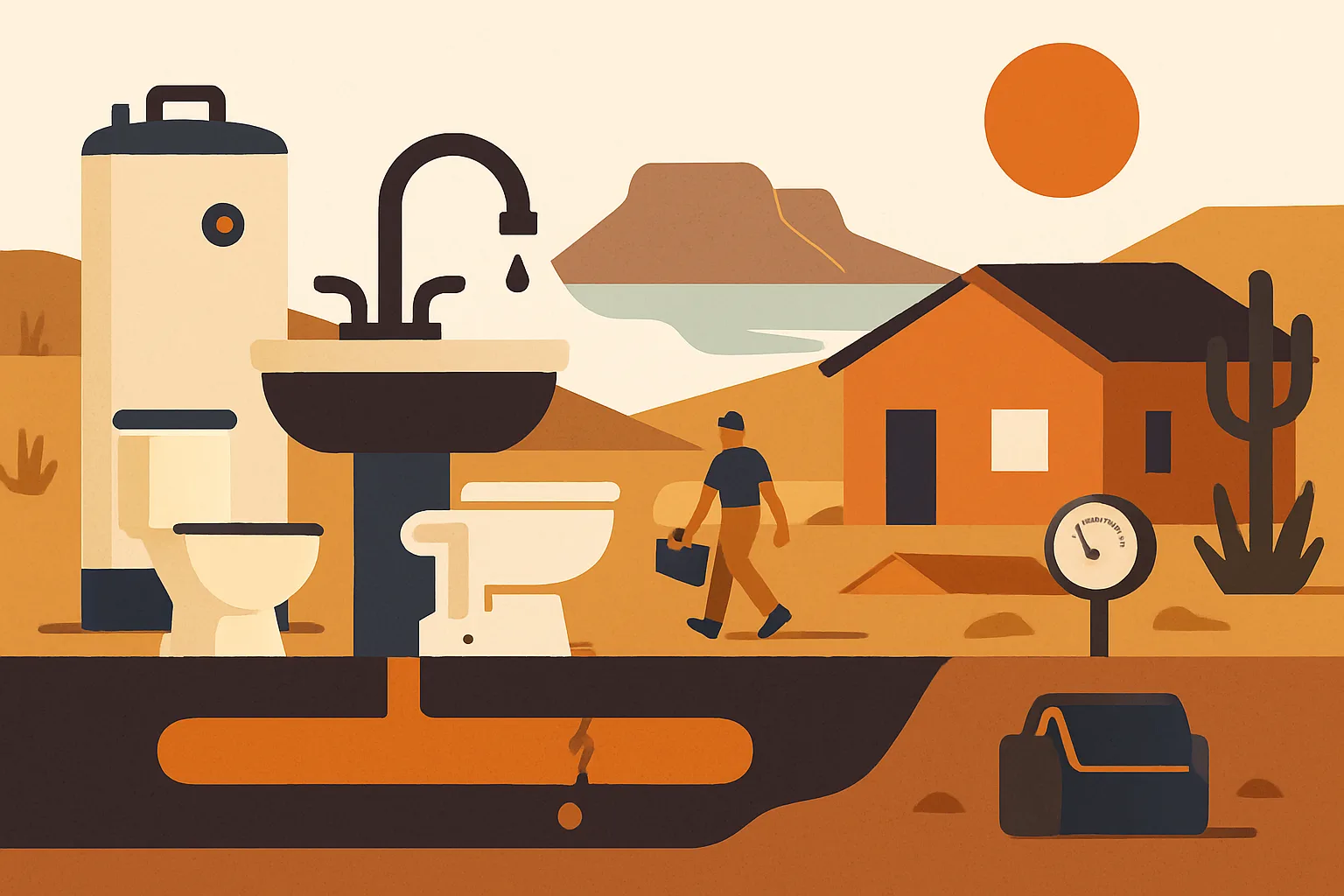
On July 21, 2026, Lake Mead and Lake Powell hit their lowest combined storage levels ever recorded, highlighting the long-term strain on the Colorado River. For Las Vegas homeowners, this deepening drought meets record heat and aging slab plumbing, which can turn hidden leaks into expensive water loss at the worst possible time.
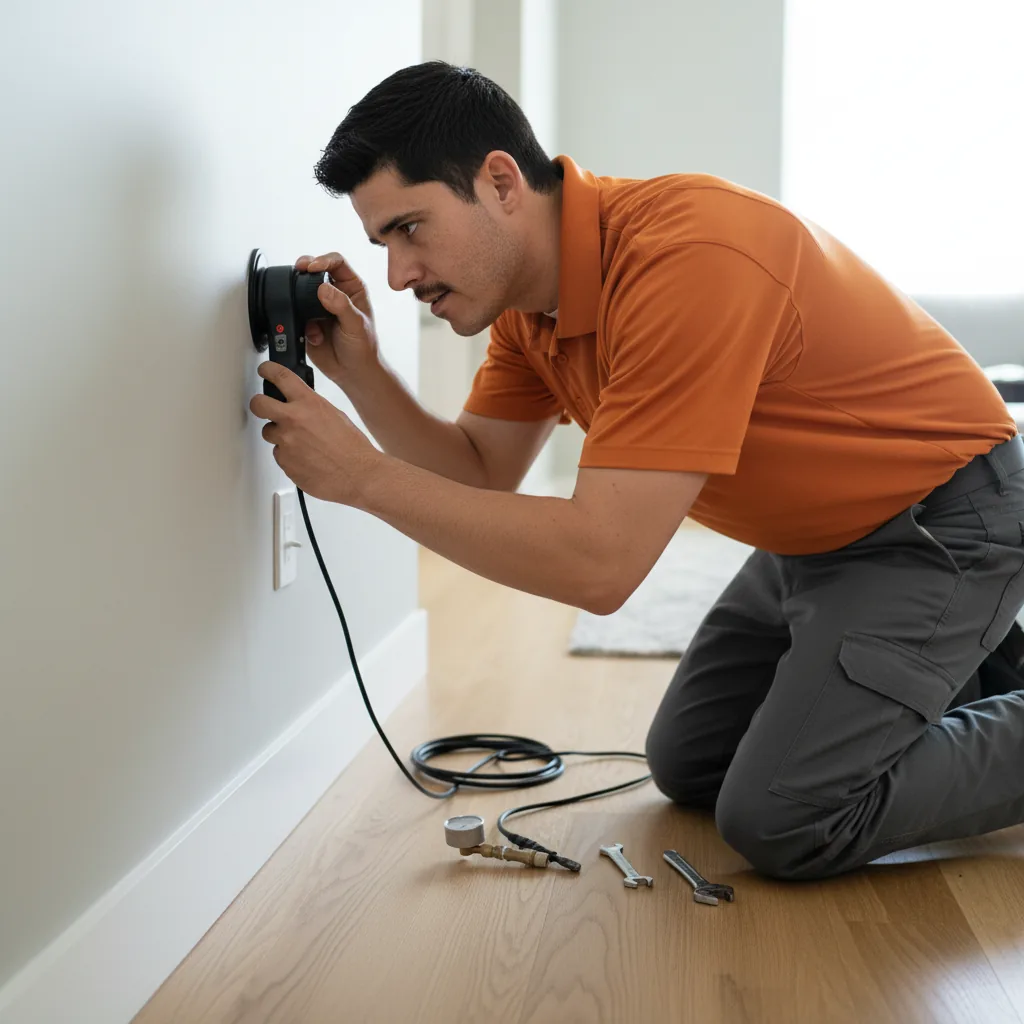
What did the July 21, 2026 Lake Mead record low actually mean for Las Vegas homes?
On July 21, 2026, the Los Angeles Times reported that Lake Mead and Lake Powell had fallen to their lowest combined storage levels ever recorded, with Mead about 27 percent full and Powell around 23 percent. Those two reservoirs anchor the Colorado River system, which is the primary source of water for the Las Vegas valley. When both sit this low, it is a clear sign that the long-term drought and hotter climate are not backing off.
For a Las Vegas homeowner, that news can feel distant, like something for water agencies and state leaders to worry about. But that record low storage level is a reminder that every household here is tied directly to that river. The water that comes through your slab plumbing and out of your fixtures has to be pumped, treated, and delivered from that stressed system. If your home is quietly losing water through hidden leaks under the concrete, you are not just risking your foundation, you are wasting a resource that the entire region is being asked to conserve.
When supply is strained, utilities and water agencies tend to get more serious about conservation and efficiency. That can mean stricter watering rules, more enforcement of waste, and more focus on indoor efficiency. It also means homeowners who keep their plumbing tight and leak-free are in a better position if new rules or pricing structures show up. The July 21 report is not about panic. It is a reminder that local water and home plumbing are tightly linked, especially in our summer heat.
- Lake Mead is about 27 percent full according to July 21, 2026 reporting
- Lake Powell is roughly 23 percent full at the same time
- Both reservoirs together are at their lowest combined storage on record
- Las Vegas homes rely on this same stressed Colorado River supply
How does extreme Las Vegas heat put extra stress on slab plumbing and leaks?
Summer in the Las Vegas valley means long stretches of triple-digit days and very hot ground temperatures. That heat does not just make air conditioners work harder. It also affects the plumbing that runs through and under your slab foundation. Hot water lines in particular expand when they heat up and contract when they cool down, and the concrete around them moves a bit as the top of the slab gets hotter than the bottom.
Over time, those tiny movements of pipe against concrete can weaken fittings, thin copper spots, and older plastic lines. If your home has slab-on-grade construction over caliche soil, like many valley homes do, there is not much room for error. A pinhole leak below the slab might start so small that you do not notice. Then a long heat wave hits, your family uses more water for showers and laundry, the pipes cycle hot and cold more often, and that pinhole opens up. The July 2026 combination of record heat and record low reservoir levels means more pressure on both the region’s system and your own plumbing system.
When the ground and slab heat up, the pressure in your water lines can also fluctuate more, especially if your pressure regulator is aging. High pressure on already stressed pipes under concrete can speed up failures. In our hard water environment, mineral buildup can already be eating at older lines from the inside. Extreme heat is not the sole cause of slab leaks, but it often acts like the final nudge that turns an almost-leak into a real one that wastes significant water.
- Pipes expand and contract more in extreme summer temperatures
- Concrete slabs heat unevenly, which can stress pipes passing through
- Higher summer water use raises pressure and flow in existing weak spots
- Hard water buildup and heat together can accelerate pipe wear
Why do record low reservoirs and rebates put a spotlight on hidden leaks now?
Alongside the news about record low levels at Lake Mead and Lake Powell, Nevada regulators are promoting home efficiency upgrades. The July 2026 newsletter from the Public Utilities Commission of Nevada describes appliance and fixture rebates from Southwest Gas and NV Energy, including incentives for high efficiency water heaters and some water-saving fixtures. The focus of those programs is to help residents use less energy and water indoors, which lines up with regional pressure to stretch every gallon coming from the Colorado River.
Those rebates are helpful, but they also highlight a blind spot. You can install low-flow showerheads and efficient appliances, but if you have an undetected slab leak, you might still be losing hundreds or thousands of gallons in the ground before that water ever hits a fixture. With reservoirs at record lows and utilities paying people to save water at the fixture, it becomes even more important to make sure the pipes between the meter and your faucets are sound.
Leak detection and slab leak repair sit on the same conservation spectrum as rebates and efficient hardware. The difference is that leak work is more about stopping silent waste and protecting your foundation, while new appliances are about long-term efficiency. Both matter if regional storage continues to run low. For Las Vegas homeowners, the Lake Mead news and the PUCN rebate reminders are a nudge to think about what is happening under the floor, not just at the faucet.
- Rebates encourage efficient water heaters and fixtures in Nevada homes
- Efficiency upgrades do not fix hidden leaks in slab plumbing
- Record low reservoir levels make every gallon of saved water more important
- Professional leak detection complements conservation programs and rebates
What are the early warning signs of a slab leak in a Las Vegas home?
Slab leaks can be tricky because the pipes are buried, but most homes give off clues if you know what to watch for. One of the first signs many Las Vegas homeowners notice is an unexplained increase in their water bill. If your usage pattern has not changed and you see a steady jump month over month, it is a sign that water may be running somewhere out of sight.
You might also notice warm spots on tile or concrete floors if the leak is in a hot water line. In a valley where the ground and slab are already warm from summer temperatures, that can be subtle, but walking barefoot can help you feel the difference. Other red flags include the sound of water running when all fixtures are off, spots of damp carpet near interior walls, or hairline cracks in tile and baseboards that slowly widen. In caliche-heavy soil, water from a slab leak often follows the path of least resistance along the underside of the slab, which means damage might not show up exactly above the pipe break.
During times of regional water stress like the current Colorado River situation, many utilities encourage customers to report suspected leaks quickly. That is not just about protecting infrastructure. It is also about avoiding more serious home damage and wasted water. If you suspect a slab leak, this is not a problem to ignore until fall. Professional leak detection pinpoints the issue so you can decide on the right repair before the problem and your bill grow.
How does professional leak detection and slab leak repair actually work (and what should you expect)?
For most Las Vegas homeowners, the biggest questions are how invasive leak detection and slab leak repair will be and how long it will disrupt the house. A qualified plumbing team typically starts with non-invasive tools. That can include electronic listening devices to pick up the sound of water escaping under concrete, pressure testing on isolated sections of pipe, and in some cases thermal imaging to spot anomalous hot spots. The goal is to narrow the problem to a specific section instead of tearing up large areas of flooring.
Once the leak is located, your options usually include a direct spot repair through the slab or a reroute that abandons the leaking section and runs new pipe through walls or the attic. In our market, reroutes are often preferred for older plumbing because they get pipes out of the concrete and into more accessible spaces. That can make future repairs easier and reduce concrete patching. The tradeoff is that reroutes can involve more wall or ceiling access, which means some drywall repair after the plumbing is done.
Timing and cost depend on how complex your home layout is and how many leaks are found. Leak detection often fits into a single visit, while repairs can range from a same-day fix to multi-day work for larger reroutes. A reputable, licensed plumber should walk you through the options, explain the pros and cons, give you an upfront flat-rate price, and help you sequence the work with any restoration that might be needed. In the context of Lake Mead’s record lows and conservation pressure, fixing a slab leak is not just a home maintenance job. It is also one of the fastest ways you can cut unnecessary daily water waste.
Kingdom Plumbing is a family-owned Las Vegas company that focuses on practical solutions like these. Our leak detection and slab leak repair service is designed to find problems with minimal disruption, explain the findings clearly, and give you choices that fit your situation and budget.
- undefined
- undefined
- undefined
- undefined
- undefined
- undefined
- undefined
- undefined
- undefined
- undefined
Frequently asked questions
- How does the July 21, 2026 Lake Mead record low affect my Las Vegas home?
- The July 21, 2026 report that Lake Mead and Lake Powell are at their lowest combined storage on record is a sign that the Colorado River system is under serious long-term stress. Your home relies on that same system for its water supply. Hidden leaks in your slab plumbing waste water that the entire region is being asked to conserve and they can also raise your bills and damage your foundation.
- Can Las Vegas heat really cause a slab leak in my house?
- Extreme summer heat in Las Vegas puts extra stress on plumbing because hot water lines expand and contract more and concrete slabs heat unevenly. Those movements can worsen existing weak points in pipes that run through the slab. Heat does not usually cause a leak from scratch, but it often turns minor wear or a pinhole into an active slab leak that wastes water.
- What are the most common signs of a slab leak in a Las Vegas home?
- Common slab leak signs include unexplained increases in your water bill, warm spots on tile or concrete floors, the sound of running water when everything is off, and new cracking or warping in floors or baseboards. In caliche soil, water from a leak often travels along the slab, so damage might appear away from the actual pipe break. If you see more than one of these clues, it is smart to get professional leak detection.
- How long does professional leak detection and slab leak repair usually take?
- Most leak detection visits can be completed in a single appointment, since plumbers use tools like electronic listening devices and pressure tests to narrow down the leak location. Repairs can range from a same-day spot fix to a multi-day project for larger reroutes or multiple leaks. A good plumber should give you a clear time estimate after they evaluate your specific home and plumbing layout.
- Should I repair a slab leak or reroute the plumbing instead?
- Spot repairs through the slab work well for newer plumbing with a single, well-defined leak in an accessible area. Rerouting, which abandons the leaking line and runs new pipe through walls or the attic, is often better for older or heavily corroded systems because it moves pipes out of the concrete and makes future work easier. A licensed plumber can compare costs, disruption, and long-term reliability so you can choose the path that fits your home.
- Are there any Nevada rebates that help if I am already fixing leaks or upgrading my plumbing?
- The July 2026 PUCN newsletter notes rebates from Southwest Gas for certain high-efficiency tankless water heaters and from NV Energy for select efficient appliances and water-saving fixtures. These programs do not directly pay for slab leak repair, but they can make it more affordable to upgrade to efficient equipment once your leak issues are handled. Pairing leak detection with smarter fixtures and appliances gives you both conservation and reliability benefits.
- When should I call a professional for leak detection instead of waiting or trying to diagnose it myself?
- You should call a professional as soon as you see multiple leak warning signs, such as a rising water bill and floor hot spots, or if your water meter moves with all fixtures off. Slab leaks often stay hidden until they are large, and home diagnostic methods cannot pinpoint locations under concrete. Professional leak detection and slab leak repair help you avoid guesswork and limit damage to your slab and finishes.
Talk to Kingdom Plumbing about leak detection and slab leak repair, or call (702) 840-5037. Family-owned, NV Contractors License #0085422, upfront flat-rate pricing.
Kingdom Plumbing is a family-owned, licensed Las Vegas plumber (NV NV Contractors License #0085422) serving the valley since 2018. Questions about how this affects your home? Call (702) 840-5037. Dealing with a burst pipe or flooding right now? Our emergency plumbers in Las Vegas answer 24/7.