TL;DR: Las Vegas hard water at 16–22 GPG causes cumulative damage that gets worse every year you leave it untreated. Scale buildup narrows your pipes, reduces water heater efficiency by up to 29%, and can shorten appliance lifespans by 2–4 years. Between higher energy bills, early appliance replacements, and plumbing repairs, hard water damage in Las Vegas can cost homeowners $500–$1,000+ annually. A whole house water softener is the most effective way to stop the damage.
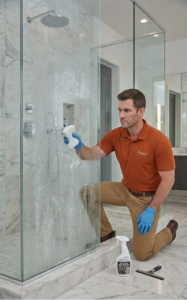
Most Las Vegas homeowners know their water is hard. They see the white crusty buildup on their faucets. They scrub soap scum off their shower doors. They’ve accepted it as a normal part of living in the desert. But hard water damage Las Vegas homeowners face goes far deeper than what’s visible on the surface.
But what most people don’t realize is that the visible buildup on your fixtures is just the surface. The real hard water damage in Las Vegas is happening where you can’t see it — inside your pipes, at the bottom of your water heater tank, and throughout every appliance that uses water in your home. And it’s getting worse every single day.
Why Hard Water Damage Is a Bigger Problem in Las Vegas
Not all hard water is created equal. Las Vegas sits at the extreme end of the scale.
According to the Southern Nevada Water Authority (SNWA), Las Vegas water hardness ranges from 16 to 22 GPG (grains per gallon), or approximately 278 to 375 PPM (parts per million). The U.S. Geological Survey classifies anything above 180 PPM as “very hard.” Our water is nearly double that threshold.
Why does the severity matter? Because the rate of hard water damage is directly tied to the concentration of dissolved minerals. A home in a city with moderately hard water at 8 GPG will accumulate scale at roughly half the rate of a Las Vegas home at 16+ GPG. That means the pipe narrowing, the water heater sediment, and the appliance wear all happen faster here. Problems that might take 10 years to appear in other parts of the country can show up in Las Vegas homes within 5.
If you want a deeper look at the actual numbers behind Las Vegas water hardness, we break it all down in our guide: Las Vegas Hard Water: What the Numbers Actually Mean.
What Hard Water Does to Your Plumbing System
Your plumbing is the first line of damage — and it’s under constant assault from hard water damage in Las Vegas.
Scale Buildup Inside Pipes
Every time hard water flows through your pipes, a small amount of calcium and magnesium deposits onto the pipe walls. This process is called scaling. Over months and years, these deposits accumulate into a thick layer of mineral scale that narrows the interior diameter of your pipes.
Think of it like plaque building up in an artery. At first, the effect is invisible. But over time, the opening gets smaller and smaller. In Las Vegas, where water hardness is extreme, this process is accelerated.
Copper pipes — the standard in Las Vegas homes built from the 1980s through the 2000s — are particularly vulnerable. The calcium and magnesium in our hard water interact with copper over time, causing pitting corrosion and eventually pinhole leaks. Pinhole leaks in copper pipes are one of the most common plumbing emergencies we see at Kingdom Plumbing, and hard water is the primary contributing factor.
Corroded Fittings and Fixtures
Hard water doesn’t just damage the pipes themselves. Faucets, valves, shut-off valves, and supply line fittings all accumulate mineral deposits. Over time, these deposits can:
- Freeze shut-off valves in place, making them impossible to turn during an emergency
- Clog faucet aerators, reducing water flow at individual fixtures
- Damage cartridges inside shower valves and kitchen faucets
- Corrode connections between pipes, increasing the risk of leaks at joints
The fixtures you can see are just a fraction of the problem. Behind your walls and under your sinks, the same damage is happening to every fitting and connection in your plumbing system.
Reduced Water Pressure
One of the most noticeable symptoms of hard water damage in Las Vegas is gradually declining water pressure. As scale builds up inside your pipes, the available space for water to flow shrinks. You might notice:
- Weaker shower pressure that seems to get worse over time
- Slower filling of bathtubs and sinks
- Reduced flow from kitchen and bathroom faucets
- Sprinkler systems that no longer reach as far as they used to
Many homeowners assume low water pressure is a city-wide issue or a problem with the water main. In most cases, it’s actually hard water scale restricting flow inside their own home’s plumbing.
Hard Water Damage to Your Water Heater
If there’s one appliance in your home that suffers the most from hard water damage in Las Vegas, it’s your water heater. The combination of high mineral content and high temperatures creates the perfect conditions for rapid scale accumulation.
Sediment Accumulation and Efficiency Loss
When hard water is heated inside your water heater tank, the dissolved calcium and magnesium precipitate out of the water faster than at lower temperatures. These minerals settle to the bottom of the tank as a thick, crusty sediment layer.
According to the U.S. Department of Energy, this sediment buildup can reduce water heater efficiency by up to 29%. Here’s why: the heating element (or burner, in gas models) sits at the bottom of the tank. When a thick layer of mineral sediment sits between the heat source and the water, the heater has to work significantly harder — and run longer — to bring the water up to temperature. That means higher energy bills every single month.
In Las Vegas, where our water is 16–22 GPG hard, sediment accumulates faster than in most other cities. A water heater that might run efficiently for 8 years elsewhere may start losing efficiency within 3–4 years here without regular maintenance.
Shortened Lifespan
The standard lifespan of a residential water heater is 10–12 years. But hard water damage in Las Vegas can reduce that by 2–4 years. The constant heating and cooling of mineral-laden water causes:
- Accelerated corrosion of the tank’s interior lining
- Premature failure of the anode rod (the sacrificial rod that protects the tank from rust)
- Cracking and scaling of heating elements in electric models
- Increased stress on gas burners in gas models
A water heater replacement in Las Vegas typically costs $1,200 to $3,000+ depending on the type and size. Replacing your water heater 2–4 years early because of hard water means spending that money sooner — and more often over the lifetime of your home.
Warning Signs Your Water Heater Is Struggling
If you’re noticing any of these symptoms, hard water damage may already be affecting your water heater:
- Popping, rumbling, or banging sounds during heating cycles (sediment shifting)
- Hot water that runs out faster than it used to
- Rusty or discolored hot water
- Higher energy bills without changes in usage
- Water that takes longer to heat up
- Visible sediment or mineral flakes in your hot water
If you’re experiencing any of these, it may be time for a water heater flush or inspection. Contact Kingdom Plumbing for a professional assessment.
How Hard Water Destroys Household Appliances
Your water heater isn’t the only victim. Every appliance that uses water in your Las Vegas home is exposed to hard water damage.
Dishwashers
Hard water reduces the effectiveness of dishwasher detergent and leaves mineral deposits on your dishes, glasses, and the dishwasher’s interior components. Over time, scale builds up on the spray arms, heating element, and pump. Common symptoms include:
- Cloudy or spotted glasses and dishes after a wash cycle
- White film on the interior walls of the dishwasher
- Reduced cleaning performance even with quality detergent
- Pump and motor failure from mineral buildup
The average dishwasher lasts 9–12 years. Hard water can reduce that to 6–8 years in Las Vegas.
Washing Machines
Hard water interferes with laundry detergent, preventing it from dissolving and cleaning effectively. Clothes washed in hard water often come out:
- Stiff and rough to the touch
- Faded or dull in color
- With a dingy gray or yellow cast on whites
Beyond your clothes, the washing machine itself suffers. Mineral deposits clog inlet valves, coat the drum, and reduce the life of seals and hoses. Front-loading machines are especially susceptible because mineral deposits accumulate in the door gasket and drain system.
Ice Makers and Refrigerators
The water line feeding your refrigerator’s ice maker and water dispenser is a narrow tube — and hard water scale can restrict or block it entirely. Signs include:
- Slow ice production
- Small, misshapen, or cloudy ice cubes
- Reduced water flow from the dispenser
- Complete ice maker failure
Replacing a refrigerator ice maker assembly typically costs $200–$400 for parts and labor. In Las Vegas, we see these failures far more often than in soft-water cities.
Hard Water Effects on Your Skin, Hair, and Health
Hard water damage in Las Vegas isn’t limited to your plumbing and appliances. It affects your family’s daily comfort and health too.
When soap and shampoo mix with hard water minerals, they form a sticky residue called soap curd instead of a clean lather. This residue doesn’t rinse away easily. It clings to your skin and hair, causing:
- Persistent dry, itchy, or irritated skin
- Eczema flare-ups and skin sensitivity, especially in children
- Dull, brittle, tangled hair that’s difficult to style
- Scalp dryness and increased dandruff
- Acne breakouts, particularly along the jawline and forehead
Dermatologists note that hard water can worsen existing skin conditions because the mineral residue disrupts the skin’s natural moisture barrier. In a city like Las Vegas, where the desert climate already strips moisture from your skin, hard water compounds the problem.
Many of our customers at Kingdom Plumbing report that their skin feels softer and their hair looks healthier within days of installing a water softener. It’s one of the first improvements people notice.
The Financial Cost of Ignoring Hard Water Damage in Las Vegas
Hard water doesn’t send you a bill. The costs are hidden in dozens of small expenses that add up over time. Here’s a realistic breakdown of what hard water damage Las Vegas homeowners face annually:
Energy waste: A water heater operating at 29% reduced efficiency costs an estimated $100–$200 more per year in electricity or gas.
Premature water heater replacement: Replacing a water heater 3 years early on a 10-year expected lifespan adds roughly $150–$300 per year in accelerated depreciation.
Appliance repairs and replacements: Between dishwashers, washing machines, and ice makers failing sooner than expected, budget an additional $100–$200 per year in extra repair and replacement costs.
Plumbing repairs: Scale-related plumbing calls — clogged aerators, stuck valves, pinhole leaks, low water pressure — average $100–$200 per year for homes with untreated hard water.
Cleaning products and personal care: Hard water requires more soap, detergent, shampoo, and cleaning products to get the same results. Most Las Vegas households spend $50–$100 more per year on these products than they would with softened water.
Total estimated annual cost: $500–$1,000+
By comparison, a quality whole house water softener typically costs $1,500–$3,500 installed and $50–$100 per year in salt and maintenance. The system pays for itself within 2–5 years — and protects your home for the next 15–20 years.
How to Protect Your Home from Hard Water Damage
The most effective protection against hard water damage Las Vegas homeowners can invest in is a whole house water softener. These systems remove calcium and magnesium from your water supply before it enters your plumbing, water heater, and appliances.
A properly sized softener for a Las Vegas home should be rated for 40,000–50,000 grain capacity for a family of four, though the exact size depends on your household water usage and peak demand.
For a complete overview of how water softeners work, what types are available, and what installation involves, read our pillar guide: Water Softener Las Vegas: Why Every Valley Home Needs One.
In the meantime, here are a few steps you can take today to reduce hard water damage while you decide on a softener:
- Flush your water heater annually. Draining 2–3 gallons from the bottom of the tank removes accumulated sediment and helps maintain efficiency.
- Clean faucet aerators quarterly. Unscrew aerators and soak them in white vinegar for 30 minutes to dissolve mineral deposits.
- Use a water softening detergent booster. Products like Calgon or borax-based boosters help counteract hard water in your laundry.
- Wipe down shower doors and fixtures after use. This prevents mineral deposits from hardening on surfaces.
These are temporary measures. They reduce the visible effects of hard water but do nothing to protect your pipes, water heater, or appliance internals. A water softener is the only permanent solution.
Ready to protect your home? Contact Kingdom Plumbing for a free water hardness test and a no-obligation quote on a water softener installation.
Frequently Asked Questions
Why Kingdom Plumbing for Hard Water Damage Solutions
At Kingdom Plumbing, we deal with hard water damage Las Vegas homes face every single day. We’ve seen what years of untreated hard water does to pipes, water heaters, and appliances across the valley. Whether you need a water softener installation to prevent future damage, a water heater flush to restore efficiency, or a plumbing inspection to assess what’s already happened, we’re the local team that understands Las Vegas water conditions inside and out.
Don’t wait until a pipe fails or your water heater dies early. Call Kingdom Plumbing today for a free consultation and protect your home from hard water damage.