TL;DR:** Las Vegas homes face plumbing challenges most of the country doesn’t — 16–22 GPG hard water that corrodes pipes and destroys water heaters, extreme summer heat that stresses outdoor plumbing and expansion tanks, and shifting desert soil that causes slab leaks. Preventive plumbing maintenance in Las Vegas should happen seasonally, with a professional inspection at least once per year. This guide gives you a complete checklist, broken down by season, plus the Las Vegas-specific problems you need to watch for.
Your plumbing is one of those things you never think about until something goes wrong. A backed-up sewer line on Thanksgiving. A water heater that dies on a Monday morning. A pinhole leak in a copper pipe that’s been dripping behind your wall for weeks.
In Las Vegas, plumbing problems don’t just happen — they happen faster and more aggressively than in most cities. Our extreme hard water, desert heat, and unique soil conditions create a combination that shortens the life of your plumbing system if you don’t stay ahead of it. That’s why plumbing maintenance in Las Vegas isn’t optional. It’s the difference between a system that lasts 30 years and one that costs you thousands in emergency repairs.
At Kingdom Plumbing, we see the same preventable problems every week. This plumbing maintenance Las Vegas guide is designed to help you avoid them.
Why Las Vegas Plumbing Needs More Maintenance Than Most Cities
Before we get into the checklist, it’s worth understanding why Las Vegas is harder on plumbing than most places.
Hard water at extreme levels. The Southern Nevada Water Authority (SNWA) reports that Las Vegas water hardness ranges from 16 to 22 GPG (grains per gallon). The U.S. Geological Survey classifies anything over 10.5 GPG as “very hard.” Our water is nearly double that. This mineral-heavy water deposits calcium and magnesium scale inside your pipes, water heater, and appliances every single day. Over time, this narrows your pipes, reduces water heater efficiency by up to 29% according to the U.S. Department of Energy, and shortens the lifespan of every water-using appliance in your home.
Extreme heat. Las Vegas regularly sees temperatures above 110°F from June through September. This heat affects outdoor plumbing components — hose bibs, irrigation lines, and water supply lines in attics or exterior walls can expand, crack, or fail under sustained thermal stress. Water sitting in exterior pipes during peak afternoon heat can reach scalding temperatures.
Desert soil and slab foundations. Most Las Vegas homes are built on concrete slab foundations. The Mojave Desert’s clay-heavy soil expands and contracts with moisture changes, creating pressure on the copper pipes that run under and through the slab. This is the primary cause of slab leaks — one of the most expensive plumbing repairs a Las Vegas homeowner can face.
Aging housing stock. The Las Vegas Valley experienced massive building booms in the 1990s and 2000s. Homes from these eras are now 20–30+ years old, and their original plumbing systems are reaching the end of their expected lifespan. Some older homes still have polybutylene or galvanized pipes that are prone to failure.
Regular plumbing maintenance Las Vegas homeowners commit to accounts for all of these factors.
Your Seasonal Plumbing Maintenance Checklist
Breaking maintenance into seasonal tasks makes it manageable. Here’s what to check each quarter.
Spring (March–May)
Spring is the ideal time for a full plumbing reset after winter and before the extreme summer heat arrives.
Check all faucets for drips. A faucet dripping once per second wastes approximately 3,000 gallons of water per year according to the EPA. In Las Vegas, where water rates continue to rise and SNWA enforces conservation, every drop counts. Check kitchen, bathroom, and outdoor faucets.
Test all toilets for leaks. Drop a few drops of food coloring into the tank. If color appears in the bowl within 15 minutes without flushing, the flapper valve is leaking. A running toilet can waste 200+ gallons per day.
Inspect visible pipes under sinks. Look for moisture, discoloration, corrosion, or mineral buildup at joints and connections. Catch small leaks before they become water damage.
Clear slow drains. Before the heavy-use summer months (guests, kids home from school), clear any slow-draining sinks, tubs, or showers. Avoid chemical drain cleaners — they can corrode pipes. Use a drain snake or call a professional for stubborn clogs.
Test your water pressure. Attach a pressure gauge to an outdoor hose bib. Normal residential water pressure is 40–80 PSI. Las Vegas water pressure from the city main can run high — above 80 PSI, you need a pressure reducing valve (PRV) to protect your plumbing. If your pressure has dropped noticeably from previous years, it could indicate scale buildup inside your pipes.
Summer (June–August)
Summer is peak stress season for Las Vegas plumbing. The heat, increased water usage, and irrigation demands all put extra load on your system.
Inspect outdoor plumbing. Check hose bibs, irrigation connections, and any exposed pipes for cracks, leaks, or sun damage. UV degradation can weaken plastic fittings and hose connections. Replace rubber hose washers annually.
Check your water heater temperature. Your water heater should be set to 120°F — the recommendation from the U.S. Department of Energy for balancing safety, energy efficiency, and comfort. In summer, when incoming water temperature is warmer, some homeowners can lower the setting slightly to save energy.
Run water in unused fixtures. If you have guest bathrooms or fixtures that don’t get regular use, run water through them for 30 seconds monthly. This flushes the lines, prevents mineral deposits from hardening in place, and keeps P-traps filled (dry P-traps allow sewer gas to enter your home).
Monitor your water bill. A sudden spike in your water bill without a change in usage is one of the first signs of a hidden leak — possibly a slab leak or an irrigation line break. Compare bills month-to-month and investigate any unexplained increases.
Check your expansion tank. If your home has a closed plumbing system (most Las Vegas homes do), the thermal expansion tank on your water heater absorbs pressure changes when water is heated. In extreme summer heat, this tank works harder. Press the Schrader valve (looks like a tire valve) on the tank — if water comes out instead of air, the tank’s bladder has failed and it needs replacement.
Fall (September–November)
Fall is your chance to prepare the system for cooler weather and address anything summer heat may have damaged.
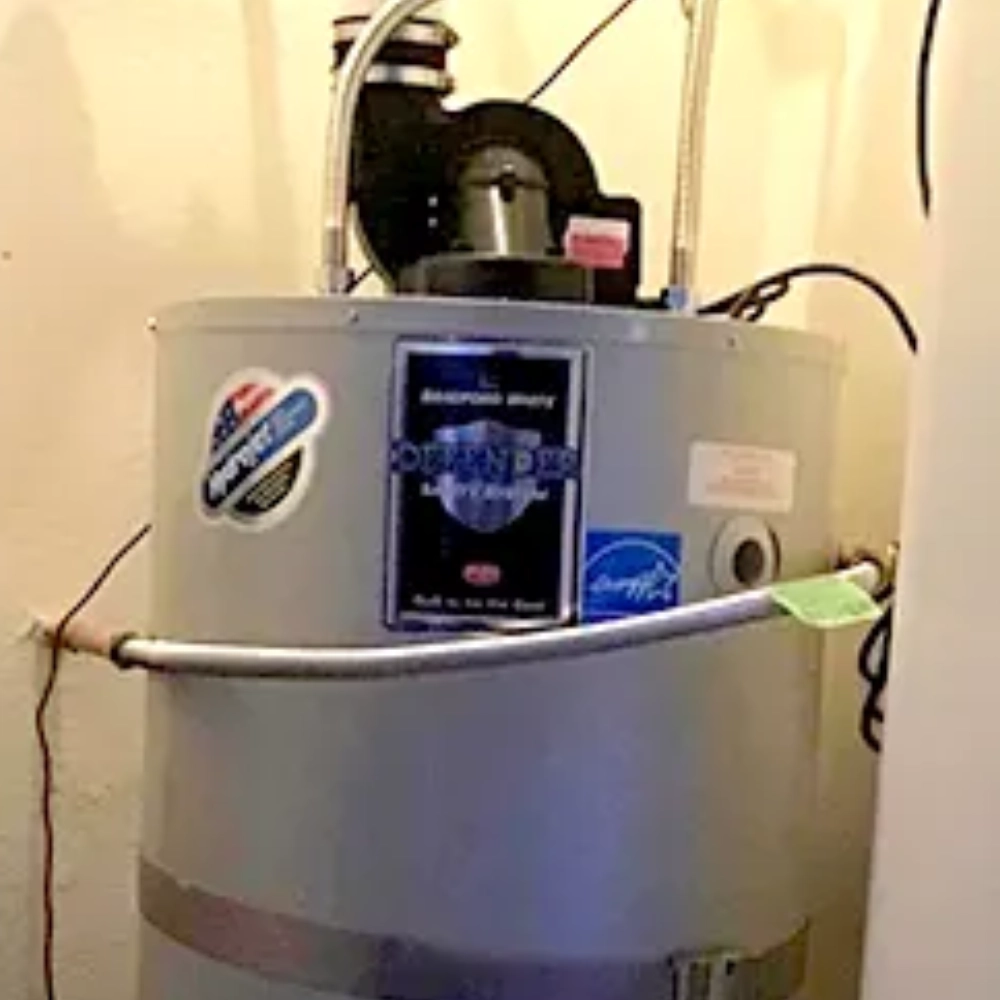
Flush your water heater. This is the single most important annual maintenance task for Las Vegas homeowners. Draining 3–5 gallons from the bottom of the tank removes accumulated mineral sediment from our hard water. This improves efficiency and extends the unit’s life. We recommend a full professional flush annually — it takes about 30 minutes.
Inspect washing machine hoses. Rubber washing machine hoses are one of the most common sources of catastrophic home water damage. Inspect them for bulging, cracking, or stiffness. Replace rubber hoses with stainless steel braided hoses, which last significantly longer and resist bursting.
Test all shut-off valves. Turn each shut-off valve (under sinks, behind toilets, at the water heater, and at the main) off and back on. Valves that sit unused for years can seize from mineral deposits — and if you need to shut off water in an emergency, a frozen valve is the last thing you want. If a valve is difficult to turn, don’t force it — call a plumber.
Check caulking around fixtures. Inspect the caulk around tubs, showers, and sink bases. Cracked or missing caulk allows water to seep behind walls and under floors, leading to mold and structural damage. Recaulk as needed with a quality silicone caulk.
Winter (December–February)
Las Vegas winters are mild compared to most of the country, but temperatures can dip below freezing on some nights — especially in the northwest valley, Summerlin, and higher-elevation areas.
Protect outdoor pipes on freeze nights. When overnight temperatures are forecast below 32°F, disconnect garden hoses from hose bibs. If your hose bibs don’t have built-in frost-free valves, cover them with insulated faucet covers. Wrap any exposed pipes in unheated areas (garages, attics) with foam pipe insulation.
Insulate exposed pipes in the garage. Many Las Vegas homes have water heaters and plumbing runs in the garage. Garages are uninsulated and can drop to near-freezing temperatures on cold nights. Foam pipe insulation is inexpensive and prevents frozen pipes — a rare but real risk in Las Vegas.
Know your main shut-off location. If a pipe does burst, you need to shut off the main water supply immediately. Every household member should know where the main shut-off valve is located (typically near the water meter at the front of the property or in the garage). Test it during a non-emergency so you know it works.
Schedule your annual professional inspection. Winter is a great time to schedule professional plumbing maintenance in Las Vegas. Plumbers are typically less busy in the cooler months, and you can address any issues before the high-demand summer season.
Annual Plumbing Maintenance Tasks
Beyond seasonal checks, these annual plumbing maintenance Las Vegas tasks should be performed at least once per year — ideally by a licensed plumber.
Water Heater Flush and Inspection
Your water heater is the hardest-working and most vulnerable appliance in your Las Vegas home. An annual professional flush removes mineral sediment, and a full inspection checks the anode rod (the sacrificial rod that protects the tank from corrosion), the temperature and pressure relief valve, all connections, and the overall condition of the unit. Neglecting water heater maintenance is the fastest way to end up with an early replacement.
Main Sewer Line Inspection
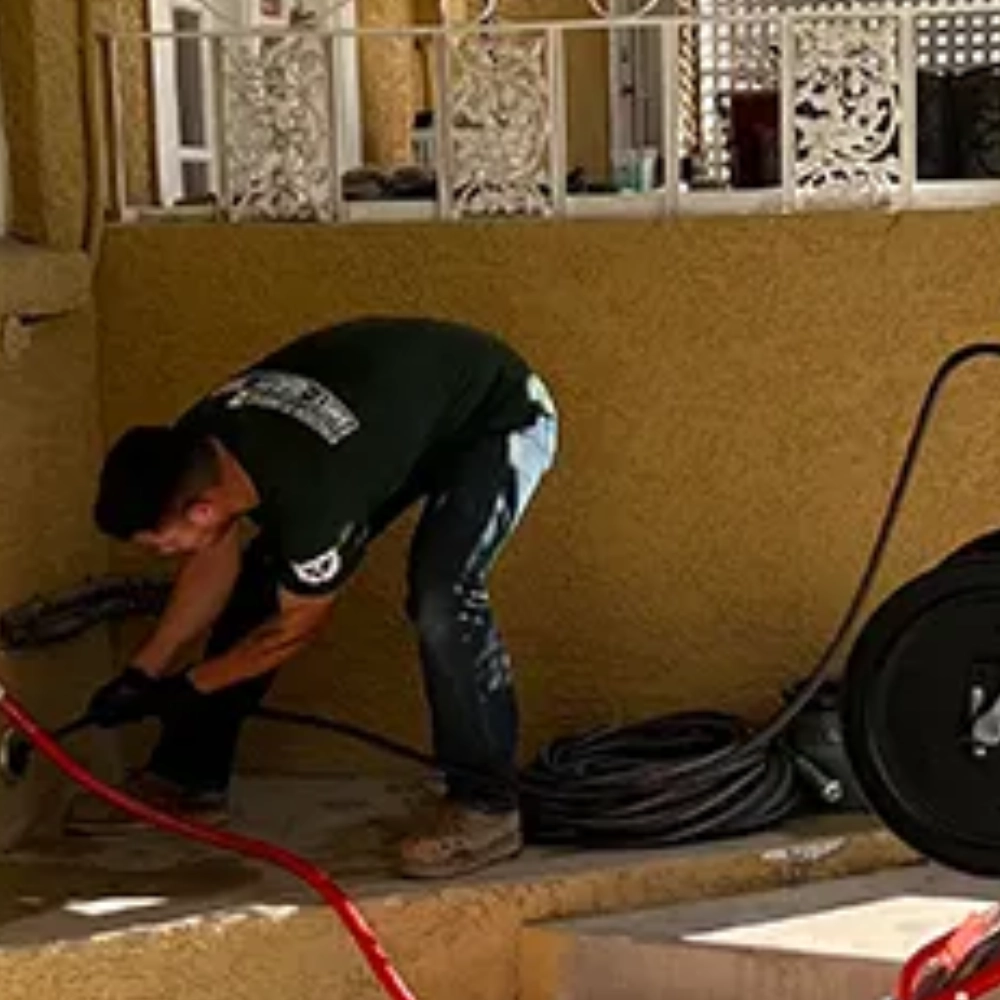
Las Vegas homes — especially those built on slab foundations — are susceptible to sewer line issues. Tree root intrusion, settling soil, and aging pipe connections can all cause slow drains, backups, or even sewer line collapse. A camera inspection of your main sewer line every 1–2 years catches problems early before they become emergencies. This is especially important for homes over 15 years old.
Water Pressure Testing
As mentioned in the spring checklist, test your water pressure annually. High pressure (above 80 PSI) stresses pipes, fittings, and appliances. Low pressure may indicate scale buildup or a failing PRV. If your pressure has changed significantly from the previous year, have a plumber investigate.
Shut-Off Valve Testing
Test every shut-off valve in your home at least once per year. This includes valves under every sink, behind every toilet, at the water heater, and at the main. Mineral buildup from Las Vegas hard water can seize valves that sit unused. Finding out a valve doesn’t work during an emergency flood is the worst possible time to discover it.
Hose Bib and Outdoor Plumbing Check
Inspect all outdoor faucets for leaks, drips, and signs of damage. Replace worn washers and check vacuum breakers (the anti-siphon devices required by code on outdoor faucets). Inspect irrigation system connections and backflow prevention devices if your home has a sprinkler system.
Las Vegas-Specific Plumbing Problems to Watch For
Some plumbing issues are universal. Others are uniquely tied to Las Vegas’s environment and are a core reason plumbing maintenance Las Vegas homeowners need goes beyond the basics. Here are the ones we see most often.
Hard Water Scale Buildup
At 16–22 GPG, Las Vegas hard water deposits mineral scale inside every pipe, fixture, and appliance in your home. Without a water softener, this buildup narrows pipes, reduces water heater efficiency, clogs aerators, and shortens appliance lifespans. If you haven’t already, read our guide on hard water damage in Las Vegas to understand the full scope of the problem.
A whole house water softener is the single best investment you can make to reduce plumbing maintenance in Las Vegas. For a complete overview, see our pillar guide: Water Softener Las Vegas: Why Every Valley Home Needs One.
Slab Leaks from Shifting Desert Soil
Slab leaks occur when copper pipes running under or through your concrete foundation develop pinhole leaks or cracks. In Las Vegas, the combination of corrosive hard water and expansive clay soil creates ideal conditions for slab leaks. Signs include:
– Unexplained increases in your water bill
– Warm spots on the floor
– The sound of running water when all fixtures are off
– Cracks in walls or flooring
– Mildew or moisture on carpet or flooring
Slab leak detection and repair is a specialized service. If you suspect a slab leak, don’t wait — the longer it runs, the more damage it causes to your foundation and flooring. Contact Kingdom Plumbing for slab leak detection.
Polybutylene and Galvanized Pipes
Some Las Vegas homes built before the mid-1990s may still have polybutylene (poly-B) pipes — a gray, flexible plastic pipe that was widely used but is now known to be prone to cracking and failure due to chlorine degradation. Homes built before the 1970s may have galvanized steel pipes that corrode from the inside, restricting water flow and eventually leaking.
If your home has either type of pipe, we strongly recommend a repipe consultation. Both materials have well-documented failure rates, and insurance companies may charge higher premiums or deny water damage claims for homes with polybutylene plumbing.
Thermal Expansion from Extreme Heat
Las Vegas summer temperatures above 110°F cause water in your plumbing system to expand. In a closed plumbing system (standard in Las Vegas), this thermal expansion increases pressure throughout the system. Without a functioning expansion tank, the pressure spikes can stress pipe joints, fittings, and valves. Check your expansion tank annually (see the summer checklist above) and replace it if the internal bladder has failed.
DIY vs Professional Plumbing Maintenance
Some plumbing maintenance tasks are safe and straightforward for homeowners. Others require professional tools, knowledge, and licensing.
Safe for DIY:
– Checking faucets for drips
– Testing toilets for leaks (food coloring test)
– Cleaning faucet aerators
– Replacing washing machine hoses
– Insulating exposed pipes
– Replacing toilet flappers
– Checking water pressure with a gauge
– Running water through unused fixtures
Call a professional:
– Water heater flush and inspection (especially gas units — improper maintenance can create safety hazards)
– Main sewer line camera inspection
– Slab leak detection
– Pressure reducing valve (PRV) adjustment or replacement
– Any work involving the main water shut-off or water meter
– Repiping or pipe replacement
– Gas line work of any kind
When in doubt, call a professional. Plumbing mistakes can cause water damage, mold, and safety hazards that far exceed the cost of a service call.
H2: How Often Should You Schedule Professional Plumbing Maintenance?
For Las Vegas homes, we recommend professional plumbing maintenance Las Vegas homeowners should follow on this schedule:
Annually: Water heater flush and inspection, whole-home plumbing check, shut-off valve testing, water pressure assessment
Every 1–2 years: Main sewer line camera inspection (annually for homes over 20 years old or with a history of backups)
Every 5–7 years: Water heater replacement assessment (units over 8 years old in Las Vegas should be evaluated annually due to hard water wear)
As needed: Slab leak detection if warning signs appear, repiping consultation for homes with polybutylene or galvanized pipes, PRV replacement
A professional annual inspection typically costs $150–$300 and takes 1–2 hours. Compared to a $5,000+ slab leak repair, a $2,000+ water heater replacement, or $10,000+ water damage restoration, preventive maintenance is one of the best investments a Las Vegas homeowner can make.
Ready to get your plumbing checked?
Frequently Asked Questions
Why Kingdom Plumbing for Las Vegas Plumbing Maintenance
When it comes to plumbing maintenance Las Vegas homeowners trust, Kingdom Plumbing has been maintaining systems across the valley for years. We understand the unique challenges our desert climate and hard water create, and we’ve built our maintenance programs around them. Whether you need a simple water heater flush, a full-home plumbing inspection, or an emergency slab leak repair, we’re the local team that knows Las Vegas plumbing inside and out.
Don’t wait for an emergency. Call Kingdom Plumbing today to schedule your annual plumbing maintenance and protect your home.